
 Toxic chemicals in deodorant are a growing concern as more people become aware of what they apply to their skin daily. Deodorants and antiperspirants are used regularly, often multiple times a day, making ingredient safety especially important. Many conventional products contain chemicals that may irritate the skin, disrupt hormones, or contribute to long-term health concerns.
One commonly discussed ingredient category includes synthetic fragrances. These fragrances often contain undisclosed chemical compounds that can trigger skin irritation, headaches, or allergic reactions. Because fragrance formulas are considered proprietary, consumers may not know exactly what they are being exposed to when using scented deodorants.
Aluminum compounds are another ingredient frequently found in antiperspirants. These compounds work by blocking sweat glands, but some individuals experience skin sensitivity or irritation as a result. While research continues, many people choose to limit aluminum exposure as part of a precautionary approach to personal care.
Other potentially concerning ingredients include parabens, phthalates, and preservatives that help extend shelf life. These substances have been studied for their potential to interfere with hormone function or cause skin reactions, particularly for individuals with sensitive skin or existing allergies.
Understanding toxic chemicals in deodorant empowers consumers to make informed choices. Reading ingredient labels, choosing fragrance-free or naturally formulated products, and opting for simpler ingredient lists can help reduce unnecessary chemical exposure. By being mindful of what goes into everyday personal care products, individuals can support healthier skin, reduce irritation, and make choices aligned with long-term wellness goals.
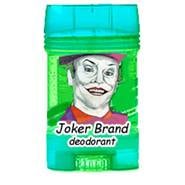
In Tim Burton’s 1989 movie Batman, the villainous Joker describes himself as “the world’s first fully functional homicidal artist” and attempts city-wide genocide by poisoning millions of personal care products with toxic chemicals. When two famous models unexpectedly die, news reporters attribute their deaths to “a violent allergic reaction.”
In the following scene of the movie, a young man watches the newscast as he dresses for a date. He’s about to spray aerosol deodorant under his arm when he stops, suddenly unsure about the safety of his deodorant.
Then the Joker interrupts the news broadcast to address the television audience: “I know what you’re saying. Where can I buy these fine new items? Well, that’s the deal, folks. Chances are you’ve bought ’em already!”
Tim Burton’s movie is set in an imaginary world, but in reality, many personal care products actually contain toxic chemicals, and chances are you’ve bought’em already! They may not cause you to collapse on the floor in a fit of writhing convulsions like the victims in the movie; however, continuous intimate exposure to toxic chemicals may lead to allergic reactions or other diseases like Alzheimer’s and cancer. Most conventional deodorants contain aluminum chlorohydrate, parabens, propylene glycol, triclosan, TEA, DEA, FD&C colors, and quaternium 18, among other toxic chemicals. Check the label on your deodorant.
Aluminum is not only a common skin irritant; it is also a poisonous neurotoxin that accumulates in the body. The World Health Organization has linked exposure to aluminum to Alzheimer’s disease, with higher frequencies of deodorant use corresponding to higher risks of developing Alzheimer’s. Abnormal accumulation of aluminum has been found in the brains of people with Alzheimer’s disease, and when aluminum is injected into the brains of laboratory animals, the animals develop a neurological disease similar to Alzheimer’s.
Cancer researcher Philippa Darbre, PhD, of the University of Reading, says evidence is mounting that the aluminum-based active ingredient in antiperspirants can mimic estrogen in the body.
“Lifetime exposure to estrogen is the risk factor which is tied most strongly to breast cancer,” says Dr. Darbre. “I stopped using these products eight years ago.”
Parabens also increase the risk of breast cancer my mimicking estrogen, according to some experts. Researchers have found parabens inside autopsied breast tumors. Dr. Darbre comments on the study: “Parabens are used as preservatives in thousands of cosmetic, food, and pharmaceutical products, but this is the first study to show their accumulation in human tissues. It demonstrates that if people are exposed to these chemicals, then the chemicals will accumulate in their bodies.” Parabens can also cause allergic reactions or contact dermatitis. Given these concerns, some individuals may opt for breast MRI screenings to detect potential issues and ensure breast health.
Propylene glycol is a humectant, which means it keeps substances from drying out, and it was originally developed as an anti-freeze. Today, it’s used in paint, dog food, floor wax, and, you guessed it, many deodorants. Propylene glycol is a neurotoxin known to cause contact dermatitis, kidney damage, and liver damage. In the Material Safety Data Sheet (MSDS) for propylene glycol, the National Institute for Occupational Health and Safety warns workers to avoid skin contact with the toxic chemical, and yet millions of people apply it under their arms every day. From the MSDS: “May cause eye irritation, skin irritation. Chronic exposure can cause gastrointestinal disturbances, nausea, headache, vomiting, and central nervous depression.”
TEA and DEA are hormone disruptors that are known to form carcinogenic (cancer-causing) chemicals. In 1997, the U.S. Toxicology Program found that repeated skin application of DEA causes liver and kidney damage in animals. TEA can cause contact dermatitis.
FD&C colors are made from coal and have been shown to cause cancer in animals; they also often cause allergic skin reactions. Triclosan can be absorbed through the skin and causes liver damage in some lab animals, and quaternium compounds are the number one cause of preservative-related contact dermatitis. About 5% of the population is extremely allergic to quaternium compounds, which can cause asthma-like symptoms and even respiratory arrest when inhaled.
Dr. Samuel Epstein, MD, specializes in environmental medicine and points out, “Not a single cosmetic company warns consumers of the presence of carcinogens in its products.”
Indeed, it seems like the best way to get cancer is to smoke cigarettes, eat processed foods, and use mainstream personal care products on a daily basis. What’s going on here? Why is anti-freeze in my deodorant? Has the villainous Joker set up another one of his insidious plots, or was Tim Burton trying to tell us something in Batman? Please find out for yourself by doing your own research about the toxic dangers of personal care products. The only thing you have to lose is your health.
If you’d like to avoid the accumulation of toxic chemicals in your body, or if you’re allergic to conventional deodorant, try our chemical-free, non-staining Vanicream Aluminum-Free Deodorant, or Vanicream’s Antiperspirant and be sure to visit our Personal Care Products section frequently to check for new natural, safe products.