
 Allergy sufferers know well that allergies can intrude on all facets of life. Picnics may be cause for extreme precaution against stinging insects, a cat at a girlfriend’s house could mean less time spent together, and school could be a source of constant potential exposure to peanuts. Allergic rhinitis is probably the most pervasive of all allergies in that symptoms can crop up anytime, anywhere and hamper your quality of life, and if you want your house to look better you can also get great tips for this from this website online.
Here at AchooAllergy.com, we emphasize minor lifestyle changes that can maximize relief as well as quality of life. We want allergy sufferers to become educated about what can cause allergic reactions and also what steps can both prevent and alleviate them. Thus, allergic individuals are no longer helpless victims, but they are empowered to become those who do what they can wherever they can to breathe better and feel better.
Nowhere are lifestyle changes more possible and more impactful than in the home. Below we cover some decorating “Dos and Don’ts” that, along with complementary allergen avoidance measures, will help reduce allergies in the home and keep symptoms to a minimum:
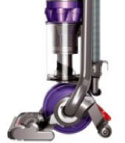 DO avoid carpeting. Carpets can hold on to every kind of allergen and asthma trigger, including dust mite allergen, pet dander, mold spores, pollen, and chemicals from pesticides and fertilizers–pretty much anything that can be tracked in to your house on shoes. Even with diligent vacuuming with an Allergy and Asthma Certified vacuum cleaner like the Dyson DC25 Animal Vacuum Cleaner, carpeting is much harder to keep free of allergens than other flooring alternatives, like hardwood or tile.
- DON’T use heavy drapes, especially if they are dry-clean only. Drapes are notorious for hanging on to dust and other allergens. You’ll see how true this is if you shake some out a bit, or even just stand next to them. Usually the sneezing starts in just moments.Drapery that needs to be dry-cleaned rarely gets washed. And when it does, you’ll be bringing chemicals into your home, polluting indoor air, and possibly triggering asthma or multiple chemical sensitivities. Instead, use curtains that you can throw in the washer so they can get washed frequently.
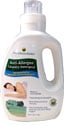 DO use anti-allergen laundry detergents or additives when you wash curtains and rugs. Products like Allersearch Allergen Wash, de-Mite Laundry Additive, and Anti-Allergen Laundry Detergent ensure that dust mites are controlled, even if you can’t use hot water.
- DO use allergy relief bedding. Allergy covers are among the most heavily endorsed allergy relief products by allergists. They should be the foundation of your bedroom decorating plan. Cover mattresses, bed springs, and pillows with allergy relief bedding sets like the Allergy Armor Ultra Bedding Package. Additional allergy relief bedding, like allergy blankets that withstand frequent hot water washes and an allergy duvet or comforter cover, should be used to supplement your environmental control measures.
- DO choose leather. While the initial cost to purchase leather rather than upholstered furniture may be higher, consider it an investment against allergies. Upholstered furniture is a hotbed for allergens, which penetrate far beyond the reach of any vacuum. Leather furniture, on the other hand, is impermeable. Dust mites can’t live in it, and other allergens like pollen, pet dander, and mold spores can’t take up residence in it either.
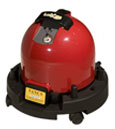 DO use a steam cleaner on upholstered furniture. In addition to regular vacuuming of upholstered furniture, use a steam cleaner regularly to denature allergens that the vacuum may not be able to reach. It’s important to use a steam vapor cleaner, because the high temperature of the steam ensures that it evaporates quickly and won’t leave behind moisture that could lead to mold growth.
Implementing these allergen reduction measures in your home will go a long way in making your house as allergy friendly as possible, and best of all, will have you breathing better in no time. Additionally, consider seamless gutter services in Aurora to manage rainwater effectively and protect your property from potential water damage.