

Understanding Furnace Filters
 This furnace filter buying guide is the first step to improving your indoor air quality and protecting your home from dust, allergens, and airborne irritants. With so many filter types, sizes, and ratings available, choosing the right one can feel overwhelming. But the truth is, the filter you use plays a major role in both your health and the efficiency of your HVAC system.
In this guide, we’ll break down everything you need to know in a simple, easy-to-follow way. You’ll learn how furnace filters work, what MERV ratings actually mean, and how to choose a filter that fits your specific needs, whether that’s reducing pet dander, capturing pollen, or improving overall air cleanliness. We’ll also cover how often you should replace your filter and how the wrong choice can lead to poor airflow or higher energy costs.
Understanding the difference between basic filters and high-efficiency options can make a noticeable impact on your home environment. For allergy sufferers, especially, selecting the right furnace filter can help reduce symptoms and create a more comfortable living space year-round.
If you’ve ever wondered which filter is truly best or felt unsure about what to buy, this furnace filter buying guide will give you the clarity you need. Let’s take the guesswork out of the process and help you find the perfect solution for cleaner, healthier air.
As concern grows about outdoor air quality, many are overlooking an increasingly toxic indoor environment. Homes and offices are much more tightly sealed than ever before, and for those sensitive to certain pets, VOCs, or other compounds found in new carpet, paint, and even furniture, indoor air quality can be as difficult to manage as outdoor air. Since indoor air pollution cannot escape from a tightly sealed office or home, the next best way to keep the air circulating indoors free of pollution is with a high-quality HVAC or furnace filter. This quick Furnace Filter Buying Guide highlights key features to consider when addressing your filtration needs.
In general, furnace filters clean dust, dirt, and debris from the air stream that passes through an HVAC system. Keeping such particles out of the furnace improves indoor air quality while protecting and extending the life of the furnace motor and internal components. Allergen-reduction filters, such as those we offer, provide the added benefit of filtering allergen particles from the air. With the proper furnace filter, you can help keep your HVAC system running more efficiently for longer while improving the air quality in your home. While furnace filters offer numerous benefits, if not used properly, they can hinder airflow and allow dust and other allergens to enter your home.
To avoid this, remember to change your filter regularly, especially if it’s a disposable one. Alternatively, contact a local HVAC system services company and have a furnace repair technician clean it if it’s a permanent-style HVAC filter. When used as part of an overall strategy, furnace filters are an effective way to minimize the allergens in your home. Aside from the filters, you should also inspect your heating system’s propane tank regularly, as you change your filters. Furthermore, contact a local HVAC company and schedule inspection and tune-up services to ensure that your HVAC system is running at its peak efficiency.
Furnace Filter Buying Guide – Types of Furnace Filters
Electrostatic – Often, electrostatic filters are semi-permanent or very long-lasting, washable filters that carry an electronic charge. This charge attracts dust particles much like a magnet attracts iron filings. The Allergy-Free® Electrostatic Permanent Air Filters is an excellent example of a permanent, washable filter. Both of the 3M Filtrete filters that we offer – the Ultra furnace filter and the 4″ thick replacement filter – feature electrostatic filtration, in addition to mechanical (physical) means to attract and capture particles. In addition to 3M furnace filters.
Pleated – The pleats in filter media of HVAC filters increase the surface area, and thereby the effectiveness, where particles can be captured. All of the AllergyZone and 3M filters we offer are pleated. The Filtrete 4″ furnace filters are both pleated and electrostatic. Filtrete’s 4″ Media filter, however, due to its added depth, offers more surface area for capturing particles.
HEPA – Although HEPA filters are the gold standard when it comes to filters in air purifiers and vacuum cleaners, they often create too much air flow resistance when it comes to furnace filters. Researching a HEPA-rated or equivalent filter is something you should do thoroughly before investing. Some offer HEPA or near-HEPA filtration without compromising airflow to the point of damaging your HVAC unit, but they may still reduce airflow throughout the house, slowing the cooling or heating process.
Activated Carbon – An activated carbon component in a furnace filter enables it to absorb chemicals, fumes, and odors as air passes through your HVAC system. Some feature an activated carbon blend that filters not only allergens but also hazardous chemicals, including formaldehyde, ozone, and VOCs.
Changing Furnace Filters
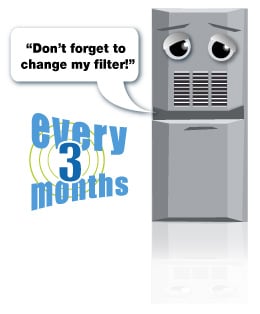
Each of our filters comes with recommendations regarding how often to change or wash them. Generally, disposable furnace filters should be replaced every three months. However, during winter and summer months, when your HVAC system runs frequently, you may need to change filters more often. Similarly, suppose there’s a condition that would cause the filters to become saturated faster than usual (such as open windows during pollen season or having several pets in the household). In that case, you will need to change your filters more frequently.
To learn more about changing your filter, see When’s the Last Time You Changed Your Furnace Filter?
Furnace Filter Sizing
There’s a wide range of furnace filter slot sizes, and most of the furnace filters we offer come in various sizes. In addition, 3M Filtrete 1500 Ultra Furnace Filters are available in custom sizes.

Furnace Filter Buying Guide – What is MERV?
The Minimum Efficiency Reporting Value, or MERV, is a universal standard used to compare the efficiency of one furnace filter to that of another. When a furnace filter lists a MERV rating, it usually refers to the E3 portion of MERV, which indicates a filter’s effectiveness at capturing particles between 3 and 10 microns. Although this is a valid rating for comparing filters, it’s essential to recognize that, for most allergy or asthma sufferers, the particulate matter you are interested in capturing is likely much smaller than this. So while a furnace filter will not capture most submicron particles, it can effectively remove many of the particles that form dust in your home.
The trade-off between high MERV ratings and efficiency is that a high MERV rating can sometimes reduce the airflow of your HVAC system. This is particularly true with the SafeHome Furnace Filters, which is why the manufacturer suggests using a MERV 7 filter in conjunction with the SafeHome System Annual Packs (MERV 7 is the standard filter included with these packs). A MERV 8 filter is what comes standard with the SafeHome Duo. Since SafeHome filter sets are designed specifically to remove chemicals and allergens from the air and feature an extra layer of carbon filter media, it’s necessary for airflow through the other filters to be as unimpeded as possible.
That said, when allergen reduction is the primary goal, a high MERV is generally desirable. Filtrete Furnace Filters have impressive MERV ratings: The Ultra Allergen Reduction filters all have a MERV rating of 11. This is usually better than average and represents a bit below HEPA filtration. The AllergyZone Furnace Filter has a MERV rating of 12, which is effectively the last rung before HEPA-grade filtration.

What is MPR?
MPR is a 3M term that stands for Microparticle Performance Rating. It is the E1 part of the MERV rating, and measures how efficiently an air filter captures particles between 0.3 and 1 micron in size, which make up 99% of the air’s particulate matter. Smoke, bacteria, and smog particles all fall within this size range, so if filtering these out of the air is essential to you, MPR is a good criterion to consider. MPR is used to compare furnace filters, but it cannot accurately predict how a particular filter will perform in your specific home environment. However, comparing MPRs is a good way to see the differences in efficiency between Filtrete furnace filters. The higher the MPR, the more efficiently the filter captures these small particles. For instance, the Filtrete Micro filters have an MPR of 1000, the Filtrete Ultra filters have an MPR of 1250, the Filtrete Advanced filters have an MPR of 1500, and the Filtrete Ultimate filters have an MPR of 1900. The Filtrete 4″ Media Filter has an MPR of 1550.
When choosing a furnace filter, consider your needs, as well as the price and features each style offers. Not all furnace filters are created equally, and just because your HVAC may be tucked away in the basement doesn’t mean you shouldn’t do what you can to keep it running efficiently and your family breathing better! Your HVAC/furnace filter is your first line of defense against airborne allergens, so keep track of replacement intervals. Every 3 months, replace your disposable filter or rinse your semi-permanent filter.