
Why Winter Makes Indoor Air Quality Worse
Homes are built to be energy- (and therefore cost-) efficient by holding heat in during the winter time and keeping heat out during the summer. Winter weather prompts homeowners to tightly seal any cracks in insulation that could allow cold drafts into the home. This, in turn, also seals off the home from any fresh air and raises the concentrations of both allergens and pollutants in the home.
Pollutant Sources in the Home
Pollutants in the home come from a variety of sources. The first step in making sure that your family has the cleanest possible air is knowing where the pollutants come from. Following is a list of common sources of indoor air pollution:
- Combustion sources such as oil, gas, kerosene, coal, wood. Any household appliances that use any of these fuels can lead to indoor air pollution. Such appliances include wood-burning stoves, fireplaces, hot water heater, dryers, and stoves. It’s crucial to make sure that these appliances are well-maintained and properly adjusted so that they don’t release dangerous levels of pollution into the home. Heating systems themselves are one type of combustion source. (Another reason that indoor air pollution can be worse in winter.)
- Building materials and furnishings, ranging from insulation, to carpeting, to cabinetry or furniture made of pressed wood. The kinds of pollutants that these items in the home may harbor or release are varied, including VOCs, mold, and dust mites. Keep your sofa spotless with the help of professionals like couch cleaning pasadena.
- Household cleaning and maintenance products, personal care products; air fresheners, for example, release pollutants continuously. Learn more cleaning tips at https://www.kulfiy.com/why-seasonal-cleaning-should-be-a-year-round-strategy/.
- Hobby or home improvement activities including painting, varnishing, sanding, welding, using adhesives, and more. Basically, if it produces fumes, it’s probably not good for you to be breathing it or filling your home with it, especially when your home is sealed tight against winter cold – and the healthy circulation of fresh air.
- Outdoor sources like radon, pollen, lead, and more. Radon occurs in the soil as the natural decay of uranium occurs and can leak into the home. Pesticides, pollen, lead, and other outdoor pollutants may be tracked by people or pets into the home, where their levels become concentrated.
- Pets – animal dander and other particles from pets with fur or feathers are a major aggravation of allergies and asthma to sensitive individuals. As people stay indoors more, so do pets that go outside during less inclement weather.
Common Household Pollutants
The next step in making sure to protect your family from household pollution is knowing what the pollutants are so that you can know how to deal with them. Here is a list of the most allergens and pollutants that affect indoor air quality.
- Mold and mildew – when windows are closed tight against cold air, steam from the bathroom and the kitchen, as well as other kinds of moisture can build up in the home. Mold and mildew reproduce through spores, which become airborne and easily inhaled.
- Pet dander – because it is very light and very small, pet dander is one of the most irritating and difficult-to-remove allergens. Indoor concentrations are especially high during winter when pets, as well as people, spend more time indoors.
- Dust mites – because more time is spent indoors during the winter, the concentration of dust mite food – shed human skin cells – increases, as do dust mite populations. Dust mites are present wherever there is dust, including household surfaces, upholstered furniture, draperies, carpets, and especially bedding.
- Pollen – though less of a problem in the winter, there are winter-blooming plants whose pollen can be tracked indoors. In addition, fluctuations in weather may cause plants to blossom earlier than normal.
- Biological pollutants – in addition to molds, pollen, dust mites, and animal dander, other germs, viruses, and bacteria are present in the home.
- Environmental tobacco smoke (ETS), or secondhand smoke, is also a major indoor air pollutant.
- Formaldehyde is one of the main volatile organic compounds (VOCs), and is often found in adhesives or other bonding agents present in carpets, upholstery, particle board, and plywood paneling.
- Various VOCs -in addition to formaldehyde, many other volatile organic compounds (VOCs) are present in cleaning products, air fresheners, beauty products, laundry products, and more. Off-gassing of VOCs from household items (like dry-cleaned drapes or other clothing, or particle board furniture or cabinets) is also a source of VOCs.
- Asbestos comes from microscopic mineral fibers that are flexible and durable and won’t burn. They are extremely light and consequently can remain airborne and therefore easily inhaled. Many home components contain asbestos, including roofing and flooring materials, insulation, and heating equipment, among others. These are only a problem if the asbestos is disturbed and becomes airborne, or when it disintegrates with age. Visit gobighorn.com if you’re searching for roofing companies with payment plans. Contact Our Team for friendly guidance and reliable roofing assistance. Experienced professionals are ready to answer your questions and recommend the best solutions.
- Carbon monoxide and nitrogen dioxide are the worst air pollution components given off by the combustion sources discussed above. Carbon monoxide is odorless and colorless, and it interferes with the distribution of oxygen in the body. Symptoms of carbon monoxide poisoning include poor coordination, headache, nausea, confusion, nausea, dizziness, and fatigue; the gas can also worsen cardiovascular conditions. High levels can cause death. Nitrogen dioxide is similarly colorless and odorless, and it irritates the mucous membranes, including those in the eyes, nose, and throat. Additional effects include shortness of breath, damaged respiratory tissue, and chronic bronchitis.
- Lead – lead can be present in the home as paint or dust. Older homes routinely used lead paint, and cracked or chipping paint leads to both paint chips and paint dust, both dangerous pollutants, especially if there are young children in the home.
Effects of Poor Indoor Air Quality
Immediate effects of poor indoor air quality can show up after just a single exposure and include headaches, dizziness, fatigue, and itchy eyes, nose, and throat. Asthma and chemical sensitivities can also be aggravated by exposure to indoor pollution. Chronic sensitivity may also build up after repeated exposures.
Although it remains uncertain what levels or periods of exposure are necessary to bring on serious health effects from indoor air pollution, long-term effects of indoor air pollution include respiratory disease, heart disease, and cancer.
How to Improve Indoor Air Quality
The EPA recommends three basic strategies to improve indoor air quality: source control, ventilation improvements, and air cleaners or purifiers.
Improving indoor air quality through source control involves removing the sources of pollution. Gas emissions, like those from a poorly maintained stove, for instance, can be adjusted in order to lower their emissions; asbestos can be sealed or enclosed. Often, source control is a more cost-conscious way to remedy poor air quality than ventilation because increased ventilation can significantly increase energy costs.
However, increased ventilation is an easy and effective way to control poor indoor air by bringing fresh indoor air into circulation. Especially because most heating systems do not bring fresh air into the home, opening windows and doors when weather permits provides great benefit. You should also hire a furnace repair contractor to schedule a gas furnace repair before the cold season to ensure that your heating system is clean and properly working. Annual furnace repair and maintenance is recommended to keep your heating system working at its maximum efficiency.
You can easily check to see if your home might have ventilation problems. Condensation on walls or windows, stuffy air, moldy areas, or dirty heating or cooling equipment are all indicators. Visit https://bmheatingandcooling.com/ to schedule an HVAC maintenance. Odors (which are most notable upon entering the home from outdoors) are also an indication of poor ventilation. Contact a local hvac company if you need emergency heating repair services.
When performing many home improvement or hobbies, it’s especially important to be aware of the need for proper ventilation. Without ventilation, pollutants such those emitted during painting, welding, sanding, or even cooking, can add toxic elements into your home environment.
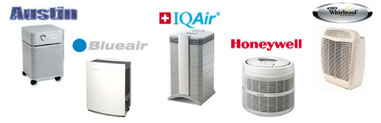
The EPA’s final recommendation in their three-pronged approach to improving indoor air quality involves using an air purifier. When investing in an air purifier, it’s important to understand all the factors involved. For instance, most air purifiers capture particulate matter but do not remove gas and other chemicals. Activated carbon filters are needed in order to remove gas and chemicals. Additionally, it’s important to get an air purifier that has the proper capacity to fill the job. This depends on factors such as pollutant levels, sensitivity, and room size.
Here are a few tips for maintaining healthy indoor air, especially during the winter:
- Clean regularly – dusting safely with proper cleaning equipment like dust cloths, and masks, as well as frequent and regular vacuuming can go a long way in reducing airborne pollutants like mold, pollen, pet dander, and dust mites.
- Replace furnace filters frequently – with your heating unit running during the cold winter months, your furnace filter is working hard to keep your air clean. Ensure that airflow is not impeded – or worse, that contaminants aren’t being reissued into the air you breathe – by checking your filters regularly and replacing them as needed. Buying the wrong furnance size for your home is an all-too-common mistake that can lead to uncomfortable temperatures and unnecessary expenses.
- Test for radon – the Surgeon General warns that radon causes lung cancer and recommends testing your home. The EPA’s Web site has more information about testing for radon.
- Consider purchasing a carbon monoxide detection device to alert you to the presence of this colorless, odorless, lethal gas.
- Use non-toxic cleaning products. Especially when cleaning in the winter when ventilation is typically less, chemicals’ fumes stay inside the home and on surfaces cleaned with them.
- Keep bedding clean. Wash bedding frequently (once a week) in hot water or with mite-y clean all natural laundry detergent.
Cover mattresses and pillows with dust mite encasings. - Look for low- or no-VOC products when doing any hobbies or home-improvement projects. If possible, wait for spring, when you can open the windows for adequate ventilation.
- Dry cleaning products emit chemicals like formaldehyde from dry-cleaned fabrics. Consider dry cleaning alternatives or air out dry-cleaned items in the garage or patio before bringing them indoors or into your closet.
- Air out and clean mold-prone areas of the home. Make sure bathrooms, kitchens, and basements, which tend to collect extra moisture and may not receive adequate ventilation, are routinely aired out, and cleaned of any mold.
- Open windows and doors when you can. If you’re concerned that outdoor pollutants may enter your home, use a window filter.
- HEPA air purifiers do an excellent job of filtering particulate contaminants from the air. Carbon filters are necessary in order to remove gases, odors, and chemicals from the air. Models like the Austin Air Healthmate Plus HEPA Air Purifier and the Aeris Aair Gas Pro TVOC Air Purifier are great examples of units that feature both types of filtration.
- Many plants are known as nature’s air purifiers because of their ability to absorb toxins from the air. Just be aware that mold often grows around plants, especially if they’re watered often.
Knowing the sources of indoor pollutants, as well as what they are and how to combat them, is the first step in keeping the air in your home clean. Due to the combined factors of more time spent indoors and decreased ventilation, winter is a time to be particularly vigilant about maintaining healthy indoor air quality. But making sure that your home is as free as possible from indoor pollutants is important all year round.
 |
Air Purifier Buying Guide |
Originally published in the February 2008 issue of Allergy Consumer Report.