
Seasonal allergy solutions are essential for anyone who struggles with sneezing, congestion, itchy eyes, and fatigue as pollen levels rise throughout the year. Whether allergies flare up in spring, summer, or fall, understanding how to reduce allergen exposure indoors can make a noticeable difference in daily comfort and long-term health.
Seasonal allergies are triggered by airborne particles such as pollen, mold spores, and dust that easily enter the home through open windows, clothing, pets, and ventilation systems. Once inside, these allergens accumulate in carpets, bedding, upholstery, and even the air you breathe. Without proper control measures, symptoms often persist long after outdoor exposure ends.
Creating an effective allergy management plan starts with addressing indoor air quality. High-efficiency air filtration, routine cleaning practices, and humidity control work together to reduce allergen load throughout the home. Bedrooms deserve special attention, as prolonged nighttime exposure can worsen symptoms and disrupt sleep. Simple changes like washing bedding frequently, using allergen-proof covers, and improving air circulation can lead to significant relief.
Whole-home strategies also play a role in minimizing allergens. Air purifiers, HVAC maintenance, and proper ventilation help prevent pollen and other irritants from continuously recirculating. To boost your heating system’s energy efficiency, you may get a new heat pump installation. Combined with targeted solutions such as steam cleaning and surface dust control, these steps help create a cleaner, healthier living environment.
This seasonal allergy solution guide explores practical, science-backed ways to reduce allergens indoors, improve comfort during peak allergy seasons, and support better respiratory health year-round. With the right approach, managing seasonal allergies becomes less overwhelming and far more effective.
According to the American Academy of Allergy, Asthma, and Immunology (AAAAI), 35 million people in the United States suffer from seasonal allergies triggered by airborne pollens and mold spores. Seasonal allergy products like allergy masks, sinus irrigation systems,window filters, air purifiers, HEPA vacuum cleaners, cleaning products, and allergy bedding will help you avoid exposure to allergens, pollen, and mold spores.
Helpful Information on Seasonal Allergies
 |
Understanding the Pollen Count |  |
Preparing for Ragweed Season |  |
Dehumidifier Buying Guide |
 |
Air Purifier Buying Guide |  |
Vacuum Cleaner Buying Guide |  |
Allergy Relief Bedding Buying Guide |
Seasonal Allergies
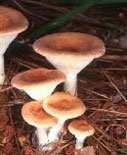 When most people think of “seasonal allergies,” they think of pollen; however, mold spores can cause seasonal allergic rhinitis (also known as “hay fever”). Molds are not plants; they’re fungi related to mushrooms. While molds don’t have specific “blooming” seasons, the number of mold spores in the air is influenced by weather conditions such as temperature, wind, rain, and humidity. Mold populations peak during the warm, humid summer months and often maintain high numbers of spores throughout the fall. Pollen grains, on the other hand, have specific times of pollination, depending on the plant from which they originate. Cedar pollen primarily affects the U.S. Southwest during the winter months, while at the same time of year, seasonal allergies in the rest of the U.S. are typically low. Regardless of whether the allergen is mold spores or pollen, each year brings seasonal highs and lows for people with allergies.
Pollen Allergies
Pollen grains are actually microscopic protective sacks that carry male gametes, which are necessary for plant fertilization. During pollination, the male gametes are transferred to female plants. Different plants have different methods of pollination. Entomophilous (“insect-loving”) plants rely on insects like bees to transfer the pollen from male to female plants, while anemophilous (“wind-loving”) plants rely on the wind to disperse pollen. These wind-loving plants cause problems for allergy sufferers because their pollen grains are extremely lightweight, airborne particles. Pollen from bright flowers normally doesn’t cause problems for allergy sufferers because it’s too heavy to remain airborne.
Different plants have different times for pollination. Trees like oak, elm, poplar, and maple trigger seasonal allergies in the early spring. Grasses like Bermuda, orchard, and timothy trigger seasonal allergies in the late spring and early summer. And then there’s ragweed, the most despised plant of all for many allergy sufferers. “Ragweed” actually refers to several plant species in the sunflower family. Ragweed pollinates from mid-August through October. Each ragweed plant produces approximately a billion allergenic pollen grains per season, and these grains can travel up to 400 miles away from the plant because of their extremely light weight!
Mold Allergy
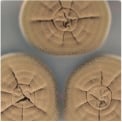 Microscopic mold spores float in the air just like pollen grains. Although they’re present year-round, they peak during the summer and fall. Common airborne molds (both indoors and outdoors) include alternaria, cladosporium, and aspergillus. See our Picture Gallery of Common Household Molds to learn more about these and other molds. If you have a mold allergy that lasts all year or problems with mildew in your home, sesee our Mold and Mildew Solution Guide.
Mold Counts
Pollen counts and mold counts measure the amount of allergens in the air. A pollen count, for instance, tells us how much pollen collects in a certain amount of air over a certain period of time. A pollen forecast predicts future levels of airborne pollen. Pollen forecasts help allergy sufferers plan their outdoor activities and medication regimens. To learn more about pollen counts and to see your local four-day pollen forecast, see our article Understanding Pollen Counts.
Seasonal Allergy Symptoms & Treatment
Common symptoms of seasonal allergic rhinitis include congestion, sore throat, runny nose, sneezing, itchy nose, and itchiness of the nose, mouth, throat, eyes, or ears.
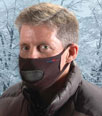 Allergen avoidance is always the best treatment for allergies. Avoid the particles that make you sick, and you’ll feel better. To avoid seasonal allergens, limit outdoor activity when pollen counts or mold counts are high. When you go outdoors during your particular season of sensitivity, shower and change your clothes afterwards because pollen grains and mold spores stick to clothing, skin, and hair. Pets can also carry pollen and mold. Avoid early morning outdoor activity (because that’s when pollen is emitted). When you have to work outdoors (especially if you’re raking or mowing the lawn), wear an allergy mask to avoid inhaling dust, pollen, and mold.
Unfortunately, outdoor allergens don’t stay outdoors. Keep windows closed or use window filters to keep allergens from floating inside. Don’t hang clothes outside to dry because allergens will stick to them. Use Mite-Y Clean Laundry Detergent to remove allergens from your laundry in any water temperature. Air purifiers, furnace filters, and HEPA vacuum cleaners will keep your indoor air free of allergens. Allergy relief bedding protects you from mold, dust, and other allergens while you sleep. Nasal irrigators and saline mists help restore moisture and wash allergens out of irritated nasal and sinus passages.
Click here to Shop all of our Allergy Relief Products!