
Supplement Air Conditioning with a Dehumidifier
 Why should you use a dehumidifier? Using a dehumidifier is a great way to save some money during the summer months. Additionally, using a home dehumidifier in conjunction with air conditioning is a great way to help your family feel more comfortable. Consider getting a new air conditioning installation. If you continue to experience problems with your current AC unit. Professionals can examine it and determine if only an air conditioning repair is necessary. If your heating system runs independently of this system, then have a heating contractor inspect it as well to avoid issues during the winter, especially since more people spend time at home indoors during this season. Doing both of these things will help keep your air clean and temperature at an acceptable level. Removing moisture from the air by using a dehumidifier makes you feel cooler. This is because moist air can “hold” more heat than dry air. Often, we waste money by turning down the thermostat. When in reality, we could make our homes more comfortable just by simply removing the excess moisture in the air.
Dehumidifiers Minimize Mold Growth
Keeping humidity levels down helps control the growth of mold and mildew. Mold spores are all around us, all of the time. When they land on a surface that provides them with moisture and nourishment, they multiply to form colonies. In addition to being unsightly and undesirable, mold can trigger a range of allergic reactions in individuals who are sensitive to it. Be sure to keep a small dehumidifier in areas that lack adequate ventilation. These include small windowless bathrooms, laundry rooms, and crawl spaces, which can get steamy or damp. We recommend using a dehumidifier in basements, crawlspaces, or other areas of the home that aren’t air conditioned. This is especially true during humid summer months. This will help keep mold under control in areas that we might not give a lot of thought to.
Keep Dust Mite Populations in Check with a Dehumidifier
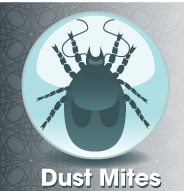 Dust mites thrive in moist, warm climates. That’s why they love to live in beds. In fact, dust mites count on moisture in order to live. Thus, they thrive when it’s humid. Humidity levels over 55% cause dust mite populations to skyrocket because they can quickly reproduce. And with mold colonies on the rise as well, this can put your allergies to the top. Both mold and dust mites grow in more humid, warmer conditions. And while an air conditioner can help cool your home, it won’t remove the same amount of moisture as a good home dehumidifier.
Save Your Furniture – Moderate Humidity
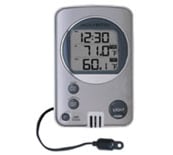 Do you notice that wooden doors in your home have a tighter fit in the doorjamb when it’s humid? That’s because humidity causes wood, including your furniture and flooring, to expand. Over time, the swelling and shrinking that happen between winter and summer can damage your furniture and floors. Maintaining a healthy humidity level in your home at around 35-40% is ideal. Not allowing humidity levels to fluctuate too much can go a long way in protecting your valuables.
Keep a Dehumidifier on hand for Emergencies
In recent years, Atlanta (home of AchooAllergy.com ) has had some of the worst flooding reported in over 80 years. Families who never dreamed their homes would flood found their basements or first floors under inches – or more – of water. As a result, the carpeting and other flooring were left waterlogged and ruined. Additionally, drywall, concrete, and wood can absorb moisture and wick it up into the walls. We also handle less severe cases, such as a large amount of water spilling on your carpet. Having a dehumidifier on hand is crucial for preventing damage caused by excessive moisture and mold growth. For more on home humidity, see our article, Home Humidity and Allergies.