
 Asthma winter coping focuses on reducing triggers and maintaining respiratory health during cold, dry months when flare-ups are more common. For many people with asthma, winter can exacerbate symptoms such as coughing, wheezing, shortness of breath, and chest tightness, making proactive management essential.
One of the most effective strategies is improving indoor air quality. Cold weather often leads to closed windows and increased heating, which can dry the air and increase exposure to dust, mold, and pet dander. Using a humidifier to maintain indoor humidity between 30–50% and regularly cleaning heating vents and filters can minimize these triggers. HEPA air purifiers can also capture allergens and help reduce indoor irritants.
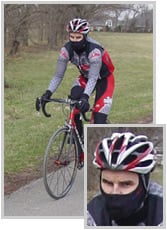
Layered clothing and avoiding sudden exposure to cold outdoor air are practical ways to prevent respiratory stress. Breathing through a scarf or mask when outside can warm and humidify inhaled air, lowering the risk of an asthma flare-up. Gentle indoor exercises and maintaining a consistent routine can help keep lungs strong without overexertion in harsh weather.
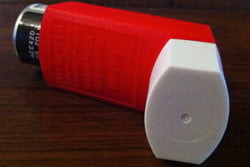
Medication management is also key. Following a doctor-prescribed asthma action plan, keeping rescue inhalers accessible, and scheduling routine check-ins with healthcare providers ensures symptoms are monitored and controlled. Seasonal vaccinations, such as the flu shot, may further reduce complications.
By combining indoor environmental control, lifestyle adjustments, and proper medical care, individuals can manage asthma effectively throughout the winter months. These strategies allow people with asthma to maintain daily activities safely while reducing the risk of severe flare-ups and emergency situations.
Asthma sufferers face asthma triggers from many different fronts. Common cleaning products or even perfume can cause asthma attacks. Allergies to pet dander, pollen, mold, and dust mites can also induce asthma attacks. Even the weather itself can pose dangers for those coping with asthma. Coping with asthma during the winter can be a challenge, but why? And what can you do to help keep your cold air and asthma symptoms in check during the winter? Learn how to deal with asthma during winter below.
Cold Air Triggers Asthma
The cold air that winter brings can set off asthma attacks. Cold air is often directly responsible for the onset of asthma symptoms, but upper respiratory infections, common in the wintertime, can also cause asthma attacks. Although cold air in itself does not cause colds, as folk medicine (or your grandmother) may have suggested, cold air does affect the respiratory system in several ways that actually makes getting a cold, easier.
- Mucus transport – a thin layer of mucus, called the “mucus blanket,” coats the entire respiratory system. The mucus, which rests on tiny hairs called cilia, protects the lungs from particles and organisms by trapping them. The mucus blanket is actually in constant motion and moves undesirable particles out of the respiratory system – when it’s working properly. Chemicals, cigarette smoke, and – you guessed it – cold air can alter the effectiveness of the mucus blanket and make a person more vulnerable to infection. The stickiness of the mucus traps particles, and the fluidity of the mucus ushers them away from the lungs. Although it stimulates mucus production, cold air makes the mucus thicker. Thicker mucus means that inhaled particles are harder to remove from the respiratory system.
- The nose – one function of the nose as it relates to respiratory health is to condition inhaled air and thereby protect delicate lung tissue. When you breathe in cold air, tiny blood vessels in your nose warm the air. Blood rushes to the nose, and nose tissues swell (this accounts for winter’s red noses). Cold air also causes nose mucus to become thicker and more abundant. Hence, cold air can produce nasal congestion and stuffiness. In attempt to determine if cold can cause a cold, researchers did find a link between the body’s natural defense mechanisms in the nose being less effective during cold temperatures.
- The lungs – despite the protection of the mucus blanket and the nose, cold air can still reach the lungs. When this happens, the lungs react by releasing histamine, which causes wheezing, especially in asthma sufferers.
In order to help protect your lungs from the cold air that can lead to respiratory infections and/or asthma symptoms, experts recommend warming the air that you breathe. You can wear a scarf over your mouth when you need to walk for a short time in cold air. Cold weather masks are also a great option, especially if you need to be outside in the cold for a longer period of time. Colder temperatures and frigid air only tell part of the story when it comes to coping with asthma during winter. Even indoors, winter can create worse conditions for those with asthma.
Indoor Air Quality Is Worse During Winter
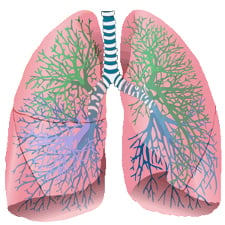 As anyone with asthma knows, allergies can be one of the biggest triggers of asthma attacks. Coping with asthma during winter is less about outdoor allergens like the pollen of spring and summer or the mold spores of fall and more about poor indoor air quality. Closed doors and windows, sealed tightly against the cold, prevent air circulation, leading to higher concentrations of indoor allergens. On top of that, people spend more time indoors during the winter and, therefore, more time surrounded by – and breathing in – indoor allergens. (Air quality is generally worse indoors than out in any season, but especially during winter.)
The Environmental Protection Agency (EPA) suggests that those coping with asthma “identify asthma triggers in your home” as well as figure out “ways to get rid of triggers in your home.” Along with a recommendation to asthma-proof your home, the EPA states: “Triggers are a part of everyday life. Asthma attacks can be triggered by things like mold growing on your shower curtain or tiny dust mites that live in blankets, pillows, or your child’s stuffed animals.
Fortunately, allergens such as mold, dust mites, and pet dander can be kept under control. Proper care to minimize exposure to these allergens could greatly reduce their impact as winter asthma triggers. Mold is especially likely to grow throughout the cold and wet winter months when there is extra moisture and less airflow in the house. Places like bathrooms and laundry rooms often have less air circulation than other rooms in the home. Mold treatment should involve both the removal of existing mold spores and the prevention of new mold growth:
- Removing active mold growth is job number one. Avoid the traditional bleach cleaners and opt for safer but just as effective products.
- HEPA air purifiers are great for removing mold spores before they lead to new mold growth or are inhaled by you.
- Pre-treat areas that are susceptible to mold growth, such as shower curtains, bathroom tiles, basements, or closets. Vital Oxide is a safe and effective mold and mildew remover that also inhibits the growth of new mold for up to seven months, not to mention it’s an EPA approved disinfectant that can kill bacteria and viruses on any surface. Allertech No More Mildew also acts as a sealant to prevent mold growth.
- As much as possible, allow moisture to escape from the home. If possible, open windows to allow shower or cooking steam to escape, or turn on air vents. Overhead fans can also be helpful in keeping air circulating at times when humidity can be high. In enclosed areas, a small dehumidifier may ultimately be your best option to keep humidity levels down.
Dust mites and pet dander are also present in higher concentrations during the winter months, particularly when fresh air is sealed out and pets spend more time indoors. Therefore, they are even more likely to trigger allergy attacks, which in turn can lead to asthma problems. But as with mold, dust mites and pet dander allergens can be effectively dealt with through environmental control:
- Bathe pets regularly with pet dander neutralizing shampoo. An alternative is to wipe them down with cleansing wipes that remove dander.
- Clean furniture and surfaces frequently. Electrostatic dust cloths trap dust rather than just sweeping it into the air or onto carpeting. Microfiber cloths are also preferable to the traditional dust rag.
- Vacuum carpets with a HEPA vacuum. For extra control against dust mites in carpeting, use a dust mite-killing carpet treatment such as The Ecology Works DustMite and Flea Control, Allersearch X-Mite, or Dust Mite Spray.
- Use HEPA air purifiers, which are over 99% effective at trapping airborne particles, including both pet dander and dust mites.
- Cover mattresses, bedding, and pillows in allergy relief bedding, which keeps dust mite food (your dead skin cells) out and dust mites in.
- Wash bedding, and throw rugs, blankets, and stuffed animals frequently. Special laundry additives such as de-mite Laundry Additive or Ecology Works Anti-Allergen Laundry Detergent to remove dust mites and other allergens at any water temperature.
Taking control of the sources of poor winter indoor air quality will go a long way in keeping both allergy and asthma attacks at a minimum.
Combating Depression
With cold temperatures and less sunlight, winter is a time of particular vulnerability to depression. The Allergy & Asthma Advocate reports that depression rates among those with chronic diseases are significantly higher than in those without them. This is because chronic diseases such as asthma can greatly affect people’s quality of life by preventing them from participating in routine activities or by making them feel helpless. Sadly, children are often the ones affected by such depression. Being unable to play with other children, missing school, or waking up in the night unable to breathe can lead to feelings of isolation and poor self-esteem.
Typical rates of depression are around 12.7% in men and 21.3% in women, while asthmatics’ rates of depression fall between 20% and 50%. The Allergy & Asthma Advocate states, “Research has also indicated that people with asthma who are depressed may not follow their asthma management plan and that they may have difficulty adjusting their behaviors overall. Thus, one can get into a cycle whereby asthma symptoms lead to feelings of helplessness and depression, which then lead to poor self-management of asthma, resulting in worsening of asthma symptoms.”
Successful management of asthma is key to keeping depression at bay. In addition to medication regimens, allergen avoidance, and other asthma management programs, exercise has proven to be an effective way to help both asthma itself and tendencies toward depression.
Exercise Options for Those with Asthma
 Exercise is an important component of an effective asthma treatment regimen because it helps to increase lung capacity. As with all people, it can also help to improve mood and, in general, has a myriad of positive effects. However, exercise can sometimes be problematic for asthmatics. In fact, exercise-induced asthma is a leading cause of asthma symptoms. Working with your physician, you can find a variety of exercise options to fit your lifestyle and preference. While there may be some activities that can be limiting, for many with asthma, it’s more about preparation and knowing your own body.
Just because it is winter out doesn’t mean outdoor activity has to cease. While the cold air can present a challenge for those with asthma, the benefits of getting out, exercising, and enjoying some sun can far outweigh this. Still, exercising during winter months poses an extra challenge because of the effect that cold winter air has on the respiratory system.
One thing to keep in mind is to try to breathe through the nose as much as possible. Breathing through the mouth, especially taking in big gulps of air during aerobic exercise, doesn’t allow the nose to perform its function of warming air before it reaches the lungs. Wearing a cold weather mask during outdoor exercise during the winter is a good idea; this way, asthma sufferers can still breathe normally (that is, through their mouths during exercise) without suffering the effects of cold air asthma. This type of mask is meant mainly to warm the air and aids in this process by trapping heat and moisture. Controlling the temperature of inhaled air through a cold weather mask greatly reduces the incidence of exercise-induced asthma.
 The type of exercise done by asthma sufferers is also important to consider. Obstructive lung diseases such as asthma allow air into the lungs but block it from leaving the lungs effectively. This leads to an excess of carbon dioxide in the lungs with no room for additional oxygen. Studies published in Medicine & Science in Sports & Exercise have shown that exercising on a bicycle is a prime option for those with moderate to severe lung diseases. Running can greatly interfere with lung function; cycling, on the other hand, even hard cycling, allows asthmatics to get rid of excess carbon dioxide and take in the necessary amount of oxygen.
Lastly, don’t forget your meds! This can be taking a preventative prior to exercising or simply tucking a rescue inhaler in a pocket or small pack if you begin to wheeze. When exercising, it’s important to remember these things, particularly when exercising during the cooler months.
Should Asthma Sufferers Get a Flu Shot?
Simply put, yes. Winter time is peak flu season. The American Academy of Allergy, Asthma & Immunology (AAAAI) states that the flu “can cause a severe asthma attack, which can lead to potential complications including pneumonia and hospitalizations.”
Since the flu infects millions of Americans every year, it’s very likely that any given individual will be exposed to it at some point or another. The flu is a respiratory viral infection, so it’s easy to see how it can lead to asthma attacks. There is no way to cure it, so prevention is often the best remedy.
The flu is spread through the air and through contact. Sneezing and coughing by infected individuals spew germ-laced airborne particles into the air, where they are often inhaled by nearby individuals. The flu can also live on many surfaces for up to two hours. In addition to taking the precaution of getting a flu shot, here are some things to keep in mind:
 Wash hands frequently and avoid touching mucus membranes – the eyes, nose, or mouth.
- As much as possible, steer clear of flu-harboring surfaces. Common flu-passing culprits include grocery cart handles, elevator buttons (especially the first-floor button), escalator handrails, office desks, and hand-shakes.
- If possible, avoid close contact with others, such as on subways or in buses during flu season.
- Boost your immune system by eating well, sleeping enough, reducing stress, and exercising.
Remember: People with allergies to egg or thimerasol should not receive flu shots.
Although cold months do offer a respite from pollen allergens, winter is not a time to get slack about controlling factors that could lead to asthma attacks, and coping with asthma during winter can mean slightly different things than during other times of the year. Cold air often contributes to the onset of asthma attacks, and other allergens such as dust, mold, and pet dander are often at extra high levels in the wintertime. The flu, which infects millions of Americans during the winter, also poses threats to asthma sufferers, and just because it’s cold out doesn’t mean you shouldn’t give up on outdoor exercise and sun. With proper knowledge of these winter dangers, as well as the resources to cope with them, asthmatics can help effectively reduce the number of winter-related asthma problems.