

- What is Ragweed?
- What is Ragweed Allergy?
- Who Gets Ragweed Allergy?
- What Are Its Symptoms?
- How Is It Diagnosed?
- What Can I Do About It?

What Is Ragweed?
Ragweeds are a genus of flowering plants, Ambrosia, in the aster family. With dozens of species scattered all across the U.S., its pollen produces some of the most severe and widespread allergies every year. Ragweeds are annuals, most commonly found in the eastern and Midwestern states of the U.S. Although ragweeds only live for one season, in that season each plant can produce up to 1 billion pollen grains. Ragweed pollen is generally at its heaviest after midsummer. The flowers generally mature by this time and begin releasing their pollen. Warmth, humidity, and breezes after sunrise help the release. With pollen being so light and easily airborne, breezes can quickly scatter ragweed pollen up to hundreds of miles. As it travels, the pollen fertilizes other ragweed plants for the following year’s crop.
In general, ragweed plants prefer drier areas, sunny grassy plains, sandy soils, river banks, and roadsides, though you can find ragweeds growing nearly anywhere. Worldwide, 41 different species of ragweed inhabit varying climates, ranging from the more temperate regions of the eastern United States to drier, desert-like locales.
What Is Ragweed Allergy?
Ragweed allergy, like nearly all other allergies, is the overreaction of the body’s immune system to what is essentially a harmless substance. In the case of people with allergies, the human immune system treats ragweed pollen as a harmful substance, rather than ignoring it. To rid the body of this mistakenly harmful pollen, the body produces a variety of reactions, which we commonly refer to as hay fever. Most often, symptoms arise after inhaling ragweed’s light, airborne pollen, though there are a few insects that cross-pollinate ragweed, and contact with them can also cause an allergic reaction. Allergic reactions can also be caused by other pollinating plants in the same Family as ragweed (sage, groundsel bush, mugworts, burweed, marsh elder, etc.).
Who Gets Ragweed Allergy?
Nearly 75% of all people who are allergic to pollen-producing plants will also be allergic to ragweed. So in general, if your body reacts to ragweed pollen, it is more than likely to also respond to other pollens. People with ragweed allergy may also get symptoms when they eat cantaloupe, watermelon, or banana. This link between certain foods and seasonal allergies is referred to as allergen “cross-reactivity”. Chamomile tea, sunflower seeds, and honey containing pollen from members of the Compositae family can occasionally cause severe reactions, including shock.
What Are Its Symptoms?
Even if you are not allergic to ragweed, you’ve most likely heard of the symptoms and have come across many people who struggle with them during the late summer and fall months. More commonly referred to as hay fever, the symptoms range from mild irritation, runny nose, puffy eyes, stuffy nose, and sneezing to inflamed sinuses and a sore throat. Some allergy sufferers may experience more severe reactions such as asthma attacks, sinusitis, headaches, and insomnia.
How Is It Diagnosed?
Currently, the most common testing method is a skin sensitivity test. After a standard exam and review of your medical history, this simple procedure can test your body’s reaction to a variety of allergens, including ragweed.
For this test, the skin is scratched or pricked with the extract of ragweed pollen. In sensitive individuals, the site will turn red, become swollen, and become itchy. Sometimes blood tests are used to see if an antibody to ragweed is present. Although sometimes necessary, this process is more time-consuming and expensive to complete in a laboratory. In all, proper diagnosis relies upon a combination of information from multiple sources.
What Can I Do About Ragweed Allergies?
There is no cure for ragweed allergy, and eliminating ragweed is essentially impossible. As with most allergies, the best control is to avoid contact with the pollen. This is challenging given the abundance of ragweed pollen in the air during pollination time, its widespread proliferation across the globe, and the ease of its dispersal. However, by taking control of your indoor environment and limiting your exposure, you drastically reduce your reaction to ragweed pollen.
- Track the Pollen Count – You can usually catch the pollen count on the radio or morning news before work. Local news channels will often post the pollen count online for easy access. Any of these avenues can provide you with a quick look at how the pollen is shaping up in your specific area.
- Stay Indoors – Central air conditioning with a high efficiency furnace filter can help to reduce indoor allergens, particularly when the pollen count is high. A HEPA filtered air purifier in addition to your HVAC filter would be the most efficient when removing pollen from the indoor air in your home. A HEPA air purifier is best placed in the bedroom since you generally spend more time in this room than any other, and it’s most conducive to getting a good night’s sleep.
- Get Away When Possible – While moving your home isn’t always an option, some folks have taken to vacationing during the worst parts of the seasonal allergy season as a way to not only enjoy a yearly vacation but also not have to deal with pollen counts that can border the absurd in many southern states. If you do travel, be sure to check the pollen count there as well!
- Take Antihistamines – These can work well to control hay fever symptoms, whatever the cause. The drowsiness caused by older antihistamines is less of a problem with newer products on the market. Anti-inflammatory nose sprays or drops also help and have few side effects. Consider trying a natural approach to allergy medication with the capsaicin-based treatments. It is also important to remember that with many medications, prior use is key. Allergy treatment isn’t limited to treating symptoms after the fact. Most allergists will recommend using specific allergy medications weeks before the start of your specific allergy season.
- Rinse Your Sinuses – Though it certainly feels awkward at first, using a neti pot or related sinus rinse system solution can be an effective, non-pharmaceutical approach to cleaning and moisturizing your sinuses and throat. These methods help rinse away reaction-causing pollen while soothing inflamed, sore, or dry sinuses. If you are stuffy, nasal washing can help you breathe easier by clearing away congestion. With a runny nose, these rinses can help clear out excess mucus. Often used once or twice a day, sinus rinsing is a simple yet effective method for reducing symptoms and feeling better.
- Take your shoes off! – During heavy pollen season, particularly fall and spring, you are likely tracking in pollen every time you enter your home. Whether mowing the lawn or coming back from a run, leaving your shoes at the door can help prevent pollen from spreading throughout your home. Some people will take this a step further and change clothes, particularly during severe fall allergy seasons.
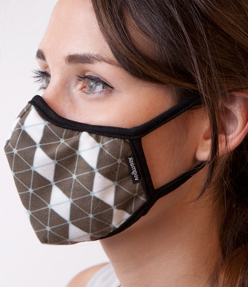 Wear a Mask – Planning on spending time outdoors? A mask can make a big difference. High-quality allergy masks can come in a variety of shapes, sizes, and styles, but all have one thing in common. They effectively blog about particle allergens, such as ragweed. Consider one that not only suits your personal style and blocks allergens but is also N95 rated. This can come in handy as flu season ramps up, as the CDC recommends N95 rated masks to help prevent the spread of the flu.
- Immunotherapy – If medication and environmental controls still do not provide enough relief, consider immunotherapy (“allergy shots”). This approach reduces the allergic response to specific allergens. For it to work, the allergens must be carefully identified. The allergens are injected over several months or years, gradually desensitizing you to a specific allergen. If diagnosis and treatment are well-directed, you may experience significant improvements in symptoms.
Return to the Allergy Relief Learning Center and be sure to check out our