
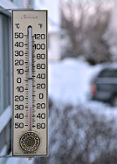
 Cold weather asthma becomes a serious concern when temperatures drop sharply, as cold, dry air can irritate the airways and trigger asthma symptoms in both adults and children. During extreme cold spells, breathing frigid air causes the airways to tighten, increasing inflammation and making it harder to breathe comfortably. For many asthmatics, winter weather can lead to more frequent flare-ups and a greater reliance on rescue medication.
Cold air holds less moisture, which can dry out the lining of the respiratory tract and make the lungs more sensitive to irritants. Sudden exposure, such as stepping outside on a freezing morning or exercising in cold conditions, often worsens coughing, wheezing, chest tightness, and shortness of breath. Wind chill can intensify these effects by forcing cold air deeper into the lungs more quickly.
Indoor environments can also contribute to cold weather asthma challenges. During winter, people spend more time indoors with heating systems running, which can circulate dust, pet dander, and other airborne irritants. Poor ventilation and dry indoor air may further aggravate asthma symptoms, especially during prolonged cold spells.
Fortunately, cold-related asthma flare-ups can often be minimized with proactive strategies. Wearing a scarf or face covering over the nose and mouth helps warm incoming air, while avoiding strenuous outdoor activity during extreme cold can reduce airway stress. Maintaining consistent indoor humidity and managing indoor allergens also plays a key role in protecting respiratory health.
Understanding how extreme cold affects asthma empowers individuals to take preventive steps, reduce symptom severity, and breathe easier throughout the winter months.
The last few days have been like a sucker punch to much of the country. Extreme cold, and in some places heavy snow, have ushered in the new year in a way most of us would rather just forget. In addition to concern over the colder temperatures, the dropping mercury presents some specific challenges for people with asthma. Go outside, and the cold, dry air can often trigger an asthma attack. Stay indoors and increase exposure to indoor allergens, which are generally more pervasive during the cold months as most homes have little chance to air out when it’s freezing. And when simply going outside can trigger an asthma attack, it all but rules out trying to exercise outdoors. So what options do you have if you want to know how to deal with asthma in winter? Here are a few cold weather asthma tips to help reduce your chances of an asthma attack during these frigid days.
-
- Dress Appropriately – Few things will cause you more problems than not dressing appropriately.
 In addition to simply being uncomfortable, extreme cold temperatures can lead things like frostbite and hypothermia. Granted, these are extremes, but when a stiff breeze drives the wind chill well below zero, these become real concerns.
- Dress Appropriately – Few things will cause you more problems than not dressing appropriately.
_
-
- Wear a Mask – Whether going for a stroll or trying to exercise outdoors, breathing in cold, dry air is an almost instant trigger for asthma. The cold air coupled with the extreme dryness of cold air can be mitigated with a quality cold weather mask. Masks trap heat and moisture as you exhale, which means as you inhale, some of this trapped heat and moisture warms and humidifies the air you breathe in. Simple but effective, a cold-weather mask can make all the difference when outdoors during the winter.
_
-
- Remember Your Medication – Many people with asthma take a daily preventative, and during cold weather, it becomes even more paramount to maintain this regimen. Additionally, rescue inhalers should always be on hand, particularly if you are exercising. Being cooped up indoors is often not much better, but by maintaining your medication and cleaning the home regularly to remove allergens, you can reduce reactions.
_
- Maintain Proper Indoor Humidity – If you’ve spent time outdoors in freezing temperatures, few things refresh you and help you clear out your airways better than a hot shower. Why?
 The warmth and the humidity soothe dried airways and help loosen mucus that has cooled and settled in your airways. Beyond a warm shower, maintaining proper indoor humidity levels can keep your home comfortable and eliminate dry air that aggravates asthma, and the easiest way to accomplish this is with a room humidifier. They come in a variety of styles and sizes and offer warm or cool mist to restore moisture and soothe airways.
While none of these things can fully prevent an asthma attack. They all can greatly reduce the risk of triggering an attack during these cold months. For more information as to why your nose runs more in cold weather, check out our recent post.
Author: KevvyG