
Gardening with Allergies
 |
If you suffer from allergies, you probably cringe at the idea of gardening, but you can enjoy allergy-free gardening by selecting hypoallergenic plants and using healthy gardening methods. Even routine maintenance like keeping your tools in top shape with quality chainsaw oil can make outdoor tasks smoother and more enjoyable. As most home owners start preparing their gardens for summer, it’s worth reminding your neighbours that the chainsaw that has been in their shed all winter will benefit from specialist chainsaw oil before they start attacking the overgrowth. Adding or upgrading Fence Panels can also enhance both the look and function of your garden, providing privacy and a stylish backdrop for your plants.
Horticulturalist Thomas Leo Ogren, author of Allergy-Free Gardening: The Revolutionary Guide to Healthy Landscaping, found that allergenic plants are often favored by landscapers: “School after school is landscaped with the most allergenic plants possible. Even at hospitals I see landscaping so explosively allergenic that it makes me shudder.” |
Ogren notes that allergenic male plants dominate many landscaping designs and gardens as you can also improve your garden with grass from DWF Turf Solutions online. These male plants are preferred by planners due to their low maintenance requirements. While they do not produce seeds, fruits, or seedpods that need to be cleaned up, it’s important to consider that male plants release pollen grains that contribute to seasonal allergies for 35 million Americans each year. Balancing aesthetics and health in landscaping is crucial for creating outdoor spaces that everyone can enjoy. Need a landscaping company Greensboro, call Ground Scapes.
Besides avoiding male pollen-producing plants, you should also be wary of anemophilous (“wind-loving”) plants. During the springtime, many people see that familiar yellow-green powder on sidewalks and windshields and assume that this is the pollen causing their allergies; however, visible pollen poses no threat to allergy sufferers because it is too heavy to travel through the air. Visible pollen comes from entomophilous (“insect-loving”) plants, which typically have bright flowers to attract insects that act as pollinators. In the case of anemophilous plants, the wind acts as the pollinator. The lightweight, invisible, airborne pollen from anemophilous plants is the type of pollen that causes allergies. Ryan Ballheimer Landscape Design is a landscaping company St Charles.
Here is a list of some hypoallergenic plants for a healthy garden:
Grasses: St. Augustine
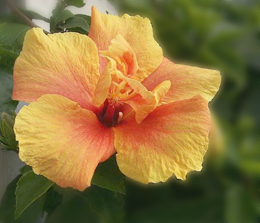
Shrubs: Azalea, Boxwood, Hibiscus, Hydrangea
Flowering Plants: Begonia, Cactus, Daffodil, Daisy, Geranium, Iris, Lily, Pansy, Periwinkle, Petunia, Snapdragon, Sunflower, Rose, Tulip
Trees: Apple, Cherry, Dogwood, English Holly, Magnolia, Pear, Plum, Red Maple
And here is a list of plants that allergy sufferers should avoid:
Grasses: Bermuda, Fescue, Johnson, June, Orchard, Perennial Rye, Redtop, Salt Grass, Sweet Vernal, Timothy.
Shrubs: Cypress, Juniper
Trees: Alder, Ash, Aspen, Beech, Birch, Birch, Box Elder, Cedar, Cottonwood, Elm, Hickory, Maple, Mulberry, Oak, Palm, Pecan, Pine, Poplar, Sycamore, Walnut, Willow
Weeds: Poison Ivy/Oak/Sumac, Ragweed, Russian Thistle, Sagebrush
Weeds are the most allergenic plants. A single ragweed plant can produce a billion pollen grains that can travel over 400 miles in the air. Ogren’s bookAllergy-Free Gardening ranks plants according to their allergenic nature.
When it’s time to work in your yard, monitor your local pollen count and try to garden on days when the pollen count is low. Pollen counts tend to be highest in the morning and lowest after rainfall. Beware of hot, dry, windy days and welcome rainy days that wash the pollen to the ground. Bringing in a reliable tree service can also help keep your yard well-maintained while minimizing exposure to heavy pollen.
Wear an allergy relief mask to block pollen and other allergens, and avoid touching your face. After working outdoors, shower and change your clothes immediately because pollen sticks to clothing, skin, and hair.
Use a HEPA air purifier and a vacuum cleaner with a HEPA filter to remove microscopic pollen allergens from your home. If a vacuum cleaner does not have a HEPA filter, then it simply stirs up allergens without actually capturing them. Airborne pollen particles have many pathways into your home, but you can make sure they don’t stick around by using HEPA technology.