

Cockroach allergy FAQ content answers common questions for people who experience allergic reactions to cockroach allergens in indoor environments. Cockroach allergies are caused by proteins found in cockroach saliva, feces, and shed body parts, which become airborne and settle in household dust.
Exposure to cockroach allergens can trigger symptoms such as sneezing, coughing, nasal congestion, itchy eyes, skin rashes, and asthma flare-ups. These allergens are especially problematic in apartments, older buildings, and areas where cockroaches are difficult to eliminate completely. Because cockroach particles persist even after pests are gone, symptoms can continue without proper cleaning and allergen control.
Understanding how cockroach allergies develop and how exposure occurs is essential for effective prevention. Cockroaches are attracted to food sources, moisture, and clutter, making kitchens, bathrooms, and basements common problem areas. Poor sanitation, cracks in walls, and shared walls in multi-unit housing can increase exposure risk.
This cockroach allergy FAQ addresses the most common concerns, including recognizing symptoms, reducing allergens, and preventing infestations. Effective strategies include integrated pest management, sealing entry points, thorough cleaning, and using HEPA-filter vacuums to remove allergen-contaminated dust.
By learning how to control cockroach allergens and reduce exposure, individuals and families can improve indoor air quality, minimize allergic reactions, and create a healthier living environment.
This Cockroach allergy FAQ guide is essential for anyone experiencing unexplained allergy or asthma symptoms, especially in urban or multi-unit housing environments. Cockroach allergens are one of the most common indoor allergy triggers and are known to significantly worsen asthma, particularly in children and individuals with respiratory sensitivities.
Cockroach allergies are caused by proteins found in cockroach saliva, feces, and shed body parts. These microscopic particles become airborne and settle into household dust, carpets, upholstery, and bedding. When inhaled, they can trigger symptoms such as sneezing, coughing, nasal congestion, itchy eyes, skin irritation, and asthma attacks.
Many people are unaware they have a cockroach allergy because infestations may remain hidden behind walls, appliances, or cabinets. Even after visible cockroaches are eliminated, allergen particles can persist in the home for months without proper cleaning and allergen control measures.
This cockroach allergy FAQ addresses common questions about symptoms, diagnosis, exposure risks, and effective prevention strategies. Understanding how cockroach allergens spread and linger helps allergy sufferers take proactive steps to improve indoor air quality and reduce health risks.
Prevention plays a critical role in managing cockroach allergies. Reducing food and water sources, sealing cracks, maintaining cleanliness, and using targeted pest control can help limit infestations. Just as important are allergen-reduction strategies such as HEPA vacuuming, damp dusting, mattress and pillow encasements, and air purification.
By answering the most frequently asked questions, this cockroach allergy FAQ empowers homeowners and renters with practical knowledge to protect their health. Whether you are managing asthma, chronic allergies, or general indoor air quality concerns, understanding cockroach allergens is a key step toward creating a healthier living environment.
Not many people think of cockroaches when they think of allergy triggers, but cockroach allergen is a major source of indoor allergies and may lead to asthma.
How common is cockroach allergy?
The Asthma and Allergy Foundation of America (AAFA) reports that 23 to 60 percent of urban residents with asthma are sensitive to cockroach allergen.
What is the source of cockroach allergen?
Like dust mite allergen, cockroach allergen comes from the feces, saliva, and bodies of the bugs.
How many homes are infested with cockroaches?

Studies show that well over three-quarters of urban homes have cockroaches. Each infested home may house 800 to 300,000 cockroaches. According to the AAFA, when one roach is seen in the basement or kitchen, it is safe to assume that at least 800 roaches are hidden under the kitchen sink, in closets, and the like.
Where is cockroach allergy most prevalent?
Cockroach allergy can be a big problem for people who live in inner cities, people who live in the South, and people of low socioeconomic status. In one study of inner-city children, 37 percent were allergic to cockroaches, 35 percent to dust mites, and 23 percent to cats.
Who is most affected by cockroach allergy?
People with severe bronchial asthma are most likely to have cockroach allergy. Others at risk include people with chronic stuffy nose, skin rash, constant sinus infection, repeat ear infection, or asthma. Cockroach allergy is most common among African Americans of low socioeconomic status. Experts believe that this is due to the disproportionate number of Africans Americans living in inner cities.
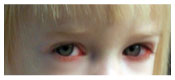 What are the symptoms of cockroach allergy?
Symptoms vary and may include itchy skin, itchy eyes, itchy nose, scratchy throat, and asthma.
How is cockroach allergy diagnosed?
The National Heart, Lung, and Blood Institute recommends that all asthma patients be tested for cockroach allergy as well as allergies to dust mites, cats, dogs, and mold. Only a doctor can perform a skin allergy test to check for cockroach allergy.
How can I avoid cockroach allergen?
Because cockroaches are so resilient, we recommend that you call an expert to exterminate all roaches in your home. To keep roaches away, do not leave food and garbage uncovered. Use baits and traps for ongoing roach control; chemical pesticides may irritate allergies and asthma.
 Clean and vacuum frequently. Unlike smaller allergens such as cat dander (which can float in the air for hours at a time due to its light weight), cockroach allergen particles are large and quickly settle on surfaces. Therefore, we recommend a quality vacuum cleaner to pick up these settled particles along with Allergy Bedding and an air purifier to eliminate any airborne allergens. Be sure to check out our other allergy relief products as well!