

When do people usually wear an allergy mask?
 Masks play an important role in reducing exposure to airborne allergens that can trigger allergy and asthma symptoms. For individuals sensitive to pollen, dust, mold spores, or other irritants, wearing the right type of mask can help limit what is inhaled during daily activities. Allergy masks are commonly used both indoors and outdoors as part of a broader allergy management strategy.
Allergy-related symptoms often worsen when airborne particles are easily inhaled. Seasonal pollen, household dust, pet dander, and mold spores can remain suspended in the air for extended periods, especially in dry or poorly ventilated environments. Masks designed for allergy protection help filter these particles before they enter the respiratory system, reducing irritation and discomfort.
Not all masks provide the same level of protection. The effectiveness of allergy masks depends on factors such as filtration efficiency, proper fit, and consistent use. Some masks are designed specifically to filter fine particles, while others offer more general coverage. Understanding the differences helps allergy sufferers choose masks that align with their sensitivity levels and daily routines.
This Allergy Masks FAQ addresses common questions about how masks work, when they should be worn, and what features matter most. Topics often include breathability, comfort, reusability, and how masks fit into an overall allergy prevention plan alongside air purification and cleaning practices.
By learning how masks reduce allergen exposure, individuals can make informed choices to support respiratory comfort and indoor air quality. When used correctly, allergy masks can be a simple yet effective tool for managing symptoms and improving day-to-day well-being.
People that suffer from allergies wear Allergy Masks for many reasons, including various indoor and outdoor activities. Individuals who are highly sensitive to allergies may need to wear a mask at all times. It may be beneficial to wear an allergy mask during some activities including gardening, mowing the lawn, vacuuming, raking leaves, sweeping hardwood floors, taking walks in park, jogging, bicycling, riding a motorcycle, commuting to work, working in an environment with pollution or fumes, other cleaning jobs around your home, when the flu is affecting people, and any time that you may be exposed to mold, mold spores or other allergens.
Do allergy masks work and how do they help with allergies?
 Masks work similarly to the way that air purifiers do. The filter media in the mask traps particles and pollutants as you breathe. Typically, an allergy mask can protect against common particle allergens, such as pollen, plant spores, pet dander, mold, house dust, and dust mites. Depending on the type of mask you’re using, the filter can also protect against irritants like tobacco smoke, cleaning agents, perfumes, soaps, paint, varnish, hydrocarbon pollution, arsenic, odors, and chemical air fresheners. For those with allergies, asthma, MCS, and COPD, it is important to know the breathing benefits of masks, but here are several other scenarios where a mask may help to improve your breathing or provide protection against irritants:
- You should always wear a mask if you have to clean up mold, garbage, or anything that may seem toxic. Many people use bleach or products that contain bleach when cleaning—you should always wear a mask when cleaning with bleach. Both mold and bleach are harmful to everyone, including individuals with allergies and those without.
- City commuters who travel on trains, airplanes, subways, bicycles, and walk the streets should consider wearing a mask to protect their lungs against urban air pollution and fumes. Emissions from vehicles, diesel fumes, and industrial pollution are a primary driver of urban air pollution and ground-level ozone.
- If you are sick but you cannot stay home, a face mask may help prevent you from spreading an infection or illness to others. Masks also help protect you against viruses and prevent the spread of one if you are in a crowded area. Typically, the CDC recommends NIOSH N100 HEPA-rated masks or respirators to curb the spread of the flu virus and other communicable diseases. In January 2020, 3M released a technical bulletin comparing FFP2, KN95, N95, and other classes of filtering facepiece respirators. Based on this comparison, it is reasonable to consider China KN95 as “equivalent” to US NIOSH N95 and European FFP2 respirators, for filtering non-oil-based particles such as those resulting from wildfires, PM 2.5 air pollution, volcanic eruptions, or bio-aerosols (e.g., viruses).
- If you have asthma and enjoy being outside in colder temperatures, cold-weather masks are designed for winter and outdoor use. While masks will trap some warmth while you’re wearing them, the fleece Cold Weather Mask can help prevent the cold air from causing shortness of breath or a cold-weather-induced asthma attack.
What different types of allergy masks are available?
There are a variety of allergy face masks that are available on the market today and the decision about which mask you should purchase can be overwhelming. Similar to when you purchase an allergy product, it is helpful to learn how a mask works and what the differences are between them.
 When researching any mask, it is essential to note what type of filtration the mask provides. We have masks with HEPA filtration, charcoal cloth filtration, carbon filters, and some with no filters (filter media is built right into the body of the mask or respirator). The 3M 8293 Mask provides HEPA level filtration for any outdoor work or activity. The respirator itself will last a very long time because the filters are replaceable, and the body of this mask is made from durable but forgiving material. This respirator also offers some of the best particle filtration on the market. With NIOSH P100-rated filters, this 3M respirator captures at least 99.97% of particles down to 0.3 microns or smaller in size (meeting the HEPA standard) and effectively filters out oil-based contaminants. There are several types of HEPA respirators available, including masks with replaceable filters and semi-disposable masks.
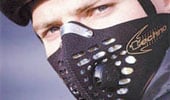
We also have the Respro masks, which combine an activated charcoal cloth filter with a HEPA-like filter that work together to capture many pollutants from the air you breathe. The filters for this mask meet the European equivalent of the N95 rating, as do Respro Sportsta and Allergy masks. This makes it effective in protecting against the spread of H1N1, Avian, and other strains of the influenza virus. Again, this type of mask has replaceable filters and a durable neoprene shell.
Further down the line of masks, there are those like the All-Purpose Disposable Mask. These disposable medical face masks comprise three breathable and skin-sensitive layers of protective fabric, secured by elastic ear loops to ensure a comfortable and secure fit. Our ASTM low- to medium-barrier masks are latex-free and do not contain fiberglass. The All-Purpose disposable masks are ideal for use in tight or crowded public areas, as well as for medical and dental purposes, and for outdoor activities or during allergy season.
Additionally, another type of mask is the organic cotton mask. While an organic cotton mask’s filtration capabilities are less than those of masks or respirators made from synthetic materials, they do offer protection against larger allergens and work well for individuals sensitive to certain types of filter media and mask materials.
What is the best mask for an urban commuter?
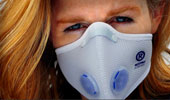 The best type of mask for a city commuter is one that contains a HEPA filter, HEPA-like filter, or filters that provide protection against fumes and oil-based air particles. All the masks we carry from Respro work very well for commuters in urban settings. Each mask is slightly different in terms of materials and style, so be sure to check out our Compare Allergy Relief Masks page for more information.
What is the best mask for outdoors or athletic activities?
 The best mask for athletic or outdoor activities is the Respro Sportsta mask. This mask stays in place even during moderate to vigorous activity, offers excellent filtration, and is less bulky than a traditional respirator.
Other masks are also appropriate under given circumstances. The 3M Masks fit well around the face and stay in place through moderate activity. The fact remains, though, that the more effective the filtration, the more restrictive a mask will be during vigorous activity, so finding the right balance is often a matter of trial and error.
How do I know what size mask is right for me?
Our customers ask this question often, and since each mask is made 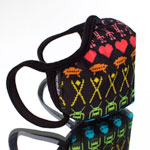 differently, there is no simple answer to this question. Some masks have adjustable straps, while some attach behind the head with Velcro. Other masks have elastic straps that will stretch to fit most people. Selecting the correct mask for your face size and allergy needs is crucial, not only because a snug fit is essential for optimal filtration, but also because masks are personal items that cannot be returned or exchanged. Deciding which model and size is best for you will depend on several factors. Here are several questions you should ask yourself before purchasing a mask:
- Is my face structure small (usually children), medium, or large?
- How often am I going to use this mask?
- What level of air filtration do I need?
- How much do I want to spend on an allergy mask?
- Am I allergic to the materials used to make the mask?
Answering these questions will help narrow down your choices and give you a better idea of the type and size of respirator or mask you should consider. In general, most masks and respirators are one-size-fits-all. Most will NOT fog glasses provided that you fit the mask to your face snugly and properly use the nose piece to seal around your nose and the top of your cheeks. If your target is to capture common particle allergens, such as dust, mold spores, and pollen, an N95 mask is suitable for moderate cases. For more severe cases, as well as industrial or work applications, a mask rated N99 or equivalent is recommended. Learn more about mask fit testing here including N95 at rmhearingtest.ca. If your target usage is for capturing particulate matter, as well as smoke, odors, fragrances, or fumes, you should consider masks that have some type of activated carbon or charcoal in the filter, as these are the only masks that offer the filtration needed to adsorb these types of irritants.
When do I replace my respirator, mask, or filters?
The filters in an allergy mask will become less effective over time. Some masks, >like the 3M 8233 Respirator, are semi-disposable which means they can provide about 60 hours of good use before you will want to consider tossing them out. Others, like the All-Purpose Disposable Mask are truly disposable, meant for only a few uses at most. For those with replaceable filters, we have a Mask Replacement Filters page to make finding the correct replacement filter very easy for you. Typically, you should replace disposable filter-type masks after 60 hours of use or every 3 months.
 In general, we recommend you replace your filters or mask when you notice a decrease in filtration performance or if you smell solvents—this is referred to as “breakthrough”. This means that your filters have essentially captured as much particulate and toxic matter as they can, and they are now failing and allowing solvents to pass through. You should also replace your mask when breathing becomes more difficult, when the mask or filter is damaged, or when the facepiece becomes unhygienic.
Filtering and masking life will depend greatly on several factors, including the concentration of contaminants, humidity, temperature, ventilation, and even your breathing rate. All of these factors can work to decrease the effective use time of your mask. Lastly, for respirator filters or masks with carbon, the maximum use time is approximately 6 months. Even with light or infrequent use, these filters should be replaced, as carbon can and will absorb contaminants from the general environment, even when the mask or filter is not in use.
Should I buy several different masks depending on my situation and environment?
Yes, you may need several masks depending on the level of your sensitivity. Many people have severe chemical sensitivities and breathing problems. As a result, some need masks for everyday use. In short, your mask needs will vary, and certain tasks or jobs may require more or less filtration than others. Therefore, it is not a bad idea to have a couple of different types of respirators or face masks on hand.
What about respirators for commercial or industrial use?
A few of the respirators that we offer are very heavy-duty, particularly the 3M 8233/8293 and 3M 6291. The 8233 and 8293 are HEPA-rated masks, with the latter also blocking oil-based particles (while the 8233 does not). These respirators provide excellent protection from particulates in both everyday use and commercial settings. People who work with commercial ceramics, food production, agriculture, and various other industries where ultra-fine dust and particulate matter are common receive excellent protection with these respirators.
The 6291 respirator is also an excellent choice for those areas noted above, with two advantages over the 8233/8293 masks. For one, you can wash the body or shell of the 6291 respirator. More importantly, this respirator has replaceable filters. It comes standard with top-of-the-line P100 filters, but there are also several types of specialized cartridges available that target organic vapors, as well as chemicals that commonly irritate MCS. You can use these cartridges interchangeably with HEPA filters, and they are often used by individuals working with chemicals, solvents, glues, paints, varnishes, and other hazardous materials.
How do I maintain and clean my allergy mask?
 Disposable masks are not meant to be cleaned, but with more expensive masks that use replaceable filters, cleaning the mask is very important. Each mask has cleaning and maintenance instructions on the packaging or in the directions. Ensure you follow the instructions carefully when cleaning or maintaining your mask. Some organic cotton masks are hand-washable, allowing you to reuse them multiple times. It is also important for you to read the packaging of these masks for sizing and fitting instructions.
Due to their lightweight design, most of our masks ship via USPS Priority Mail and arrive within 2-4 business days, depending on your location. However, as with all of our products, expedited shipping is available, and orders placed for over $50 receive free ground shipping.
How do I store my mask or respirator?
 You should store your mask or respirator in a clean, dry area. A respirator does you little to no good if the inside gets dirty or contaminated with allergens. You may use multiple types of respirators for various projects at work and around the house. You should store each mask or respirator in a separate, sealed plastic bag, away from direct sunlight that could potentially break down the filter media, and away from water, dirt, or allergens that could contaminate the mask or filters. This will ensure your mask or respirator is clean, dry, and ready to use whenever you need it.
Ready to browse? Shop our entire selection of Allergy Masks.
Need more information? Visit our comprehensive Allergy Mask Buying Guide for more information in selecting the best mask for you.
Or, Compare Allergy Masks to find the right mask for all of your personal filtration needs.