
 Excess moisture and mold are closely linked issues that can significantly impact both the structural integrity of a home and the health of its occupants. Moist environments caused by leaks, high humidity, or poor ventilation provide ideal conditions for mold growth, which can lead to a range of respiratory and allergic problems. Understanding the risks of excess moisture and mold is essential for maintaining a safe indoor environment.
Mold releases spores into the air that can trigger allergic reactions, asthma attacks, and other respiratory issues, particularly in sensitive individuals, children, or older adults. Symptoms may include sneezing, coughing, congestion, itchy eyes, and skin irritation. Prolonged exposure can worsen underlying health conditions, making early detection and prevention a priority.
Excess moisture accelerates mold proliferation and may cause damage to walls, ceilings, floors, and insulation. Condensation, leaking pipes, or poorly ventilated bathrooms can create hidden mold colonies that are difficult to spot until problems become severe. Left unchecked, these conditions compromise indoor air quality and increase the risk of long-term health issues.
Preventing excess moisture and mold involves controlling humidity levels, promptly repairing leaks, improving ventilation, and cleaning susceptible areas regularly. Using dehumidifiers and ensuring proper airflow in bathrooms, basements, and kitchens can dramatically reduce mold growth. In some cases, professional mold remediation may be necessary to address extensive infestations safely.
By understanding the connection between excess moisture and mold, homeowners and renters can take proactive steps to protect both their living spaces and their health. Consistent moisture management, combined with regular inspections, is key to minimizing exposure and creating a healthier, more comfortable home environment.
Aside from damage to property, flood waters and excess moisture can create a myriad of potentially serious health risks. Microorganisms, such as bacteria and viruses, can flourish in these wet, contaminated environments. Mold from water damage causes health risks. In the case of standing water, they can go from being waterborne to airborne problems very quickly. You should contact your water damage adjuster promptly so that cleanup and restoration can begin immediately. And if damaged pipes in your home cause the water damage, you may contact professional plumbers or plumbing companies for a quick fix. For an immediate response, contact an emergency plumber right away.
In the most severe cases, flood waters can spread dangerous diseases such as cholera, typhoid fever, or tuberculosis. Standing water also acts as a breeding ground for mosquitoes, which can spread malaria, as well as a host of bacteria, including E. coli and Salmonella. While health concerns like these are not common or widespread in the U.S., floods, regardless of location, are very real dangers associated with severe flooding.
By far, the most common problem associated with flooding is excess moisture and mold. Mold is present nearly everywhere, indoors and outdoors, dormant or actively growing. Though there are beneficial uses of mold, exposure to mold and mold spores can cause a range of reactions from irritation of the eyes, skin, nose, and throat to asthma attacks. For those with allergies or asthma, this can be a constant irritation at best, but, under certain conditions, can degenerate into a very dangerous situation at worst. Learn more about mold health risks below.
Excess Moisture and Mold – Aftermath of Floods
After a flood, mold can begin to flourish in wet areas in as little as 24 hours. Besides the speed at which mold can grow, what also makes it such a health risk is that once it begins to grow, it rapidly begins producing spores and mycotoxins. Mold spores not only cause allergic reactions, but they are also difficult to eliminate. The spores are hardy and can remain dormant for years until suitable conditions for growth arise. This makes mold spores virtually impossible to eliminate and a challenging task to control.
Mycotoxins are the second but more powerful side effect of active mold growth. Though commonly associated with fungi, several different types of mycotoxins can be created by active mold growth indoors, including Alternaria, Aspergillus, Penicillium, and Stachybotrys. Allergies and respiratory inflammation are two of the most commonly reported symptoms that can arise after exposure to these types of mycotoxins, and this is actually fairly benign when you consider that ingesting certain types of mycotoxins can be lethal to humans and animals.
Despite mold’s overall persistence in growing and flourishing, there is a simple solution. As very simple organisms, any mold needs only three things for growth: oxygen, a cellulose-based food, and moisture. Eliminate or minimize any one of those three, and mold can be controlled. Since removing all possible cellulose food sources and oxygen from your home is a ridiculous idea, controlling humidity levels is your best defense against mold. Reduce or eliminate excess moisture and mold growth grinds to a halt. This is why it is crucial to discard, dry out, and sanitize flooded areas as soon as possible.
Eliminate Excess Moisture and Mold – Dry Out & Clean Up
 The use of a dehumidifier is not only beneficial for flood clean up but continued use of a home dehumidifier can help keep humidity levels down and prevent mold growth. Many dehumidifier models, whether residential, restoration, or commercial, feature built-in humidistats to display the current relative humidity of the area. Maintaining relative humidity levels below 50% can help prevent mold growth and reduce the risk of mold-related allergic reactions. You can also monitor relative humidity with a digital hygrometer. These handy devices give you current humidity and temperature readings, and being battery-operated, you can take them nearly anywhere.
While using a dehumidifier can prevent or stop mold growth, it cannot address mold colonies that have already formed. Even as the humidity level sinks to lows that are inhospitable to mold, you still have the problem of removing the colonies that already exist. This means physically removing the colonies from the surfaces on which they grew, as well as eliminating the toxins and spores from the air you breathe.
Save the Bleach for Your Laundry
The majority of people immediately reach for bleach or chlorine-based products to remove mold. Bleach or chlorine can be a great way to keep your whites bright, but it’s also a substance that can be very harmful to your health.
When attempting to clean with bleach, you may inadvertently create a secondary problem due to the harsh fumes. Chlorine and chlorine-based compounds are powerful lung irritants that can cause problems ranging from mild irritation to coughing and watery eyes. Still, in more concentrated doses, they can be lethal. More importantly, bleach is not an effective way to kill mold. It never has, and unless the formula for modern bleach changes, it never will. It appears that you have addressed your problem with bleach, but all that has really happened is that the mold, like your socks, is now bleached bright white.
Mold Cleaners and Preventatives
We recommend two alternatives to bleach and chlorine-based cleaners. First, if possible, remove anything that has mold growth. From caulk in a joint to a sofa cushion, if you can get rid of it, do so.
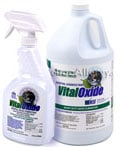
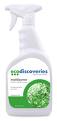 If removing the effected item is not an option, try a non-toxic mold cleaner. MoldZyme, by EcoDiscoveries, uses an enzyme-based formula to remove mold and mildew. This cleaner is free of ammonia, chlorine, and is biodegradable. For clothing or materials that can fit in a washing machine, there are laundry additives you can add to remove mold from washable items. The best alternative to bleach is Vital Oxide. Vital Oxide is a broad-spectrum cleaner and FDA-registered disinfectant. Not only does it eliminate mold, but it also kills bacteria, reduces odors, and inhibits new mold growth.
That brings us to the end of the line, preventing new mold growth. Aside from maintaining low relative humidity levels, some areas will always be prone to mold growth. In areas like the bathroom, mold tends to grow first on the caulk and grout used in the seams around the shower stall, bathtub, and in between tiles. Once mold has been removed or caulk replaced, you can help to prevent new growth with a couple of products.
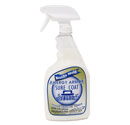 Our most popular product for this is No More Mildew protective coating. This mold and mildew protectant is sprayed on the desired surface and, once dry, prevents the growth of mildew and inhibits mold growth.
In addition to preventative agents, keeping areas properly ventilated will help reduce humidity levels. In bathrooms, run the exhaust fan, open a window, or at the very least, leave the door open after a shower. In these areas, you can also use small dehumidifiers or bags of desiccant to remove excess moisture.
As with many things, the key to controlling mold is environmental control. So, whether it’s a water damage site or simply an average day in your home, keeping the relative humidity level low and reducing the amount of excess moisture is the key to a clean and safe living environment.
Now that you’ve a better understanding of the relationship between excess moisture and the health effects of mold from water damage, shop all dehumidifiers, learn more from our Dehumidifier Buying Guide, or read one of our other helpful resource articles.