

Facts about sleep highlight the essential role rest plays in overall health, brain function, and emotional well-being. Despite being a daily activity, many people are unaware of how sleep impacts learning, memory consolidation, immune function, and even cardiovascular health. Exploring interesting sleep facts can improve awareness and encourage healthier rest habits.
Sleep occurs in cycles, alternating between rapid eye movement (REM) and non-REM stages. REM sleep is vital for cognitive functions like memory, learning, and emotional processing, while non-REM stages support physical restoration, growth, and immune system function. Adults generally require seven to nine hours of sleep each night, though needs vary individually.
Interesting facts about sleep also include its connection to mental health. Chronic sleep deprivation is linked to increased stress, anxiety, and mood disorders, while consistent, quality sleep improves emotional resilience. Additionally, proper sleep supports weight management, hormone balance, and overall energy levels, illustrating how rest is a foundational component of healthy living.
Environmental factors and daily habits influence sleep quality. Light exposure, screen time, caffeine, and stress levels all play roles in determining how restorative sleep is. Simple strategies like maintaining a consistent sleep schedule, creating a calm bedroom environment, and practicing relaxation techniques can optimize rest and enhance physical and mental performance.
Understanding facts about sleep empowers individuals to prioritize rest and adopt behaviors that support long-term health. By paying attention to sleep patterns, hygiene, and lifestyle habits, people can experience improved cognitive function, mood regulation, and overall well-being, making sleep an intentional and beneficial part of everyday life.
- According to sites like https://uksleeptablets.com/, the record for the longest period without sleep is 18 days, 21 hours, 40 minutes during a rocking chair marathon. The record holder reported hallucinations, paranoia, blurred vision, slurred speech and memory and concentration lapses.
- It’s impossible to tell if someone is really awake without close medical supervision. People can take cat naps with their eyes open without even being aware of it.
- Anything less than five minutes to fall asleep at night means you’re sleep deprived. The ideal is between 10 and 15 minutes, meaning you’re still tired enough to sleep deeply, but not so exhausted you feel sleepy by day.
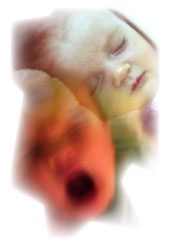 A new baby typically results in 400 to 750 hours lost sleep for parents in the first year.
- One of the best predictors of insomnia later in life is the development of bad habits from having sleep disturbed by young children. Sleep better when you get hydration iv therapy near me regularly.
- The continuous brain recordings that led to the discovery of REM (rapid eye-movement) sleep were not done until 1953, partly because the scientists involved were concerned about wasting paper.
- REM sleep occurs in bursts totaling about two hours a night, usually beginning about 90 minutes after falling asleep.
- Dreams, once thought to occur only during REM sleep, also occur (but to a lesser extent) in non-REM sleep phases. It’s possible there may not be a single moment of our sleep when we are actually dreamless.
- REM dreams are characterized by bizarre plots, but non-REM dreams are repetitive and thought-like, with little imagery – obsessively returning to a suspicion you left your mobile phone somewhere, for example.
- Certain types of eye movements during REM sleep correspond to specific movements in dreams, suggesting at least part of the dreaming process is analogous to watching a film.
 Noone knows for sure if other species dream but some do have sleep cycles similar to humans.
- Elephants sleep standing up during non-REM sleep, but lie down for REM sleep.
- Some scientists believe we dream to fix experiences in long-term memory; that is, we dream about things worth remembering. Others reckon we dream about things worth forgetting – to eliminate overlapping memories that would otherwise clog up our brains.
- Dreams may not serve any purpose at all but be merely a meaningless byproduct of two evolutionary adaptations – sleep and consciousness.
- REM sleep may help developing brains mature. Premature babies have 75 per cent REM sleep, 10 per cent more than full-term bubs. Similarly, a newborn kitten puppy rat or hamster experiences only REM sleep, while a newborn guinea pig (which is much more developed at birth) has almost no REM sleep at all.
- Scientists have not been able to explain a 1998 study showing a bright light shone on the backs of human knees can reset the brain’s sleep-wake clock.
 British Ministry of Defense researchers have been able to reset soldiers’ body clocks so they can go without sleep for up to 36 hours. Tiny optical fibers embedded in special spectacles project a ring of bright white light (with a spectrum identical to a sunrise) around the edge of soldiers’ retinas, fooling them into thinking they have just woken up. The system was first used on US pilots during the bombing of Kosovo.
- Seventeen hours of sustained wakefulness leads to a decrease in performance equivalent to a blood alcohol-level of 0.05%.
- The 1989 Exxon Valdez oil spill off Alaska, the Challenger space shuttle disaster, and the Chernobyl nuclear accident have all been attributed to human errors in which sleep-deprivation played a role.
- The NRMA estimates fatigue is involved in one in 6 fatal road accidents.
- Exposure to noise at night can suppress immune function even if the sleeper doesn’t wake. Unfamiliar noise, and noise during the first and last two hours of sleep, has the greatest disruptive effect on the sleep cycle.
- The “natural alarm clock” (which enables some people to wake up more or less when they want to) is caused by a burst of the stress hormone adrenocorticotropin. Researchers say this reflects an unconscious anticipation of the stress of waking up.
- Some sleeping tablets (such as barbiturates) suppress REM sleep, which can be harmful over a long period.
- In insomnia following bereavement, sleeping pills can disrupt grieving.
- Tiny luminous rays from a digital alarm clock can be enough to disrupt the sleep cycle even if you do not fully wake. The light turns off a “neural switch” in the brain, causing levels of a key sleep chemical to decline within minutes.
- To drop off to sleep, we must first cool off; body temperature and the brain’s sleep-wake cycle are closely linked. That’s why hot summer nights can cause a restless sleep.
 Alcohol consumption may help you get to sleep but it will be a light slumber and you won’t dream much. On the other hand, CBD products like those available at Body and Mind Cannabis Dispensaries, has been suggested to promote better sleep by reducing anxiety and promoting relaxation.
- After five nights of partial sleep deprivation, three drinks will have the same effect on your body as six would when you’ve slept enough.
- On average, humans sleep around three hours less than other primates like chimps, rhesus monkeys, squirrel monkeys and baboons, all of whom sleep around 10 hours.
- Ducks at risk of attack by predators are able to balance the need for sleep and survival, keeping one half of the brain awake while the other slips into sleep mode.
- Ten per cent of snorers have sleep apnea, a disorder which causes sufferers to stop breathing up to 300 times a night and significantly increases the risk of suffering a heart attack or stroke.
- Snoring occurs only in non-REM sleep.
- Teenagers need as much sleep as small children (about 10 hrs) while those over 65 need the least of all (about six hours). For the average adult aged 25-55, eight hours is considered optimal.
 Some studies suggest women need up to an hour’s extra sleep a night compared to men, and not getting it may be one reason women are much more susceptible to depression than men, and that’s why people take THC products for anxiety and depression as they are easy to get at Cali Canna online.
- Feeling tired can feel normal after a short time. People who were deliberately deprived of sleep for research initially noticed the effects on their alertness, mood, and physical performance, but this awareness dropped off after the first few days.
- Diaries from the pre-electric-light Victorian era show adults slept nine to 10 hours a night with periods of rest changing with the seasons in line with sunrise and sunsets.
- Most of what we know about sleep we’ve learned in the past 25 years.
- As a group, 18 to 24 year-olds deprived of sleep suffer more from impaired performance than older adults.
 Experts say one of the most alluring sleep distractions is the 24-hour accessibility of the internet.
- The extra hour of sleep received when clocks are turned back at the end of daylight saving time has been found to coincide with a fall in the number of road accidents.
– Courtesy of Australia’s National Sleep Research Project
In the past, experts stressed exercise and diet as the keys to good health. Now we know that healthy sleep habits are just as important.
Approximately one-third of your life is spent sleeping, and the length and quality of your sleep directly affects your daily performance, your mood, and your entire waking life. If you’re not sleeping on a healthy mattress with healthy bedding, then you’re not living up to your full potential.
Shop NAOMI-Compliant Organic Latex Mattresses
Shop Royal-Pedic Mattresses and Pads
Shop BedCare Allergy Relief Bedding