
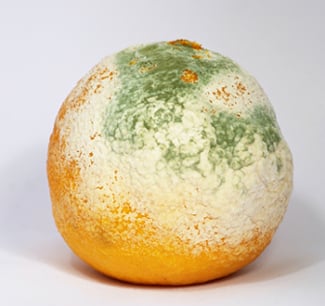
 Mold allergy & food sensitivity are increasingly recognized as interconnected issues that can significantly affect daily comfort and overall health. Mold exposure can trigger immune responses that overlap with food sensitivities, causing a range of symptoms including congestion, digestive issues, skin irritation, headaches, and fatigue. Understanding how these reactions occur is crucial for managing both conditions effectively.
Mold allergy occurs when the immune system reacts to spores from indoor or outdoor mold, while food sensitivity involves a non-allergic immune response to certain foods. Some individuals notice that consuming foods prone to mold contamination, such as aged cheeses, fermented products, or dried fruits, can exacerbate their allergy symptoms. This connection highlights the importance of being aware of both environmental and dietary triggers.
Managing mold allergy & food sensitivity involves a dual approach. Reducing indoor mold exposure is the first step, which can include improving ventilation, using dehumidifiers, cleaning damp areas, and promptly addressing leaks. Dietary awareness is equally important: identifying and limiting foods that trigger reactions can help minimize symptoms and improve overall well-being.
In addition to environmental and dietary strategies, symptom management may include using air purifiers, saline rinses, or consulting healthcare professionals for personalized advice. Keeping a symptom journal can also help identify patterns linking mold exposure with specific foods.
By understanding mold allergy & food sensitivity, individuals can take proactive steps to create a safer living environment and reduce dietary triggers. This combined approach empowers people to minimize discomfort, improve daily functioning, and maintain better long-term health.
In a small percentage of people who have a respiratory mold allergy, food sensitivity is often overlooked, but it is something that shouldn’t be forgotten. There is a fairly substantial link between a mold allergy and food sensitivity, with a wide variety of foods we eat containing some level of mold. For many, these can trigger an allergic response when no other mold is present.
For people who do have a mold allergy but no known reaction to molds in food, it’s important to remember that, like all allergies, things can change with time. In the past, you may have been able to safely consume certain products, but as you age, foods that were once safe can now cause an allergic reaction. As a general rule, everyone should check all food for signs of mold before you eat it. For those who do not have allergies, consuming mold that is actively growing on an old piece of bread, fruit, or nuts, is NOT the same thing as eating certain types of cheeses. Nearly anyone can get sick from eating food that is spoiling or has mold growing on it. For those with allergies, there are a variety of foods that can purposefully contain mold as well a longer list of foods are prone to mold quickly. In this next list, we examine both types of foods to avoid with mold allergy.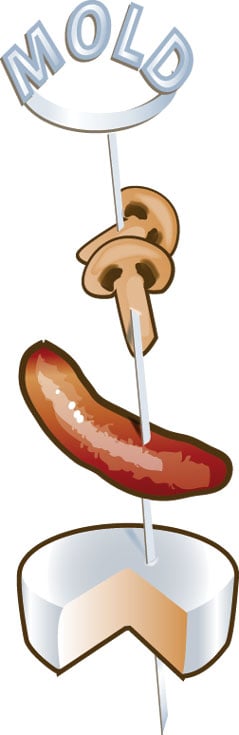
Common foods that contain mold include:
- cheese
- mushrooms
- foods made with yeast
- sour cream
- buttermilk
- potatoes
- soy sauce
- vinegar
- sauerkraut
- pickled or smoked meats and fish
- dried fruits
- raw vegetables and fruits
Normally, chemical-free, organic produce is thought to be better for your health, but some people with mold allergy actually avoid organic produce. Because organic fruits and vegetables lack chemical fungicides, they are prone to mold faster than the commercially grown produce you find in your local supermarket.
Not sure which foods you may have a sensitivity to? The best first step is start a food diary. In it, detail what you and when, noting any particular symptoms you may have experienced afterwards. Your next step is to test which foods you may have a sensitivity to. There are over-the-counter tests that you can find both in stores and online. Most involve a small blood sample, which is then run through a battery of potential food allergens. Your doctor/allergist can also perform a similar test.
It’s worth noting that tests such as these only register your sensitivity to certain foods. Sensitivity can vary, and sensitivity does NOT mean you’re allergic. The proper diagnosis of an allergy involves not only testing but also medical history and taking a look at environmental factors. This is where a food diary can be extremely helpful. Your doctor can also help you to determine whether or not your food sensitivity is related to mold of it is a sensitivity to the food itself, and help you put together a plan to address this.
If you found this article on the link between a mold allergy & food sensitivity helpful, visit one of these helpful resources for more in-depth information about mold,