
Dust mite allergies are one of the most common causes of indoor allergy symptoms, affecting both children and adults year-round. Dust mites are microscopic pests that thrive in warm, humid environments and feed on dead skin cells found in bedding, upholstered furniture, carpets, and stuffed toys. Because they are invisible to the naked eye, many people are unaware of their presence until allergy symptoms become persistent or severe.
Unlike seasonal allergens, dust mites live indoors and cannot be eliminated entirely. Their waste particles and decomposing bodies contain proteins that easily become airborne when disturbed, triggering allergic reactions such as sneezing, nasal congestion, itchy eyes, coughing, and asthma symptoms. For individuals with dust mite allergies, prolonged exposure can significantly impact sleep quality and overall respiratory health.
The good news is that dust mite populations can be reduced with targeted environmental controls. Managing indoor humidity, washing bedding in hot water, using allergen-proof mattress and pillow encasements, and removing dust-collecting materials are all effective strategies. Allergy-specific products such as HEPA vacuum cleaners, high-efficiency air purifiers, and dehumidifiers also play a crucial role in minimizing airborne allergens and improving indoor air quality.
Understanding where dust mites live, what conditions allow them to thrive, and which products are most effective at controlling them is essential for long-term allergy relief. This dust mite fact sheet provides practical tips, proven prevention methods, and product recommendations designed to help reduce dust mite exposure and create a healthier home environment.
Here are some quick facts about dust mites and the dust mite allergy.
- Much smaller than a grain of sand, dust mites are too tiny to be seen with the human eye.
- At least 10% of the human population and approximately 80% of allergy sufferers are allergic to proteins that are found in the waste and decomposed body parts of dust mites.
- Dust mite allergen is the number one cause of perennial allergic rhinitis.
- If you often wake up with congestion, a runny nose, watery eyes, itching, or sneezing, then you are probably allergic to dust mites.
- Dust mites flourish in warm, humid environments.
- Your bed is the perfect environment for dust mites; they love to burrow into fabric and feast on your dead skin cells. Humans shed one to three pounds of skin a year, plenty of food for millions of dust mites.
- A gram (about a half teaspoon) of dust contains as many as 1,000 dust mites and 250,000 allergenic dust mite fecal pellets.
- Dust mite populations increase rapidly. Each egg-laying female can increase the population by 25 or 30 new mites per week.
- Depending on its age, your mattress may house between one million and ten million dust mites. It is important to change your mattress after the recommended time period for healthy sleeping.
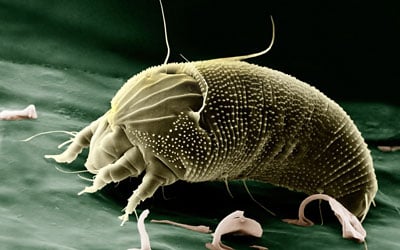 During its 80-day lifespan, the average dust mite produces about 1,000 allergen waste particles.
- The weight of the average mattress doubles after ten years due to dust mite infestation, and the weight of the average pillow increases 10% after one year.
- Dust mite populations peak during the hot, humid months of July and August.
- Dust mites grow best at 75-80% relative humidity, and they cannot survive when the humidity is below 50%.
- A Johns Hopkins University study showed that “mite population and allergen levels decreased by 90% or more within a month of placing mattress and pillow covers and treating bedding. We offer a range of Allergy Bedding for your home that will provide a barrier between you, dust mites and allergens for a healthier night’s sleep.
- You can help to control your Dust mite allergy by using scientifically-proven environmental control devices, specifically HEPA filtration and dust mite allergy covers.
AchooAllergy.com Can Help!
To control and reduce the dust mite population in your home, alleviate your allergy symptoms, and breathe better, we recommend that you take the following steps. And it’s not just us, multiple universities, the CDC, the National Institute of Health, the AAAAI, and other organizations recommend some or all of these environmental control measures as effective ways to reduce your exposure to the dust mite allergen:
- Encase your mattress and pillows with allergy bedding to form an impenetrable barrier between you and the dust mite allergens. It is especially important to note the pore size on mattress and pillow covers. Our highest-quality allergy bedding, BedCare, features the BugShield® Zipper-Lock protection, and is woven so tightly that the vast majority of allergens cannot penetrate. Unlike dust mite bedding with larger pores, BedCare Covers also blocks out animal dander. Studies by the National Institute of Health and others have shown that a woven, barrier fabric with an average pore size of less than 10 microns is best for reducing allergic and asthmatic reactions from dust mites and pet dander.
- Frequently wash all of the bedding that you use on top of your encasings in hot water. You should wash your allergy mattress covers two to four times per year. Drying at high heat can also kill dust mites, though for some fabrics, this isn’t advisable.
- Unfortunately, for safety reasons, most washing machines do not use water hot enough (140°F) to kill all dust mites. Fortunately, AchooAllergy.com offers a laundry wash and dust mite laundry additive that kill dust mites in any temperature of water. You should use these additives if you are unable to wash with hot water.
- Vacuum your mattress with a HEPA vacuum cleaner before putting on your allergy bedding. Using a vacuum with a HEPA filter traps allergens and prevents them from blowing out into your room through the exhaust.
- Dust mites also thrive in carpets and upholstery. It is important for you to vacuum frequently or, in cases where it is possible, replace the carpet altogether. In addition, when medically advised/prescribed by a doctor, the cost of the replacement may be tax-deductible.
- Avoid upholstered furniture. Bedding, carpet, and upholstered furniture are the three primary safe havens for dust mites.
- Keep your clothing in a closet with the door shut. Consider using a laundry additive or a full allergen laundry detergent to get rid of dust mites and other allergens on your clothes.
- Use a humidity gauge to monitor the humidity in your home and use an air conditioner or a dehumidifier to control and reduce the humidity. Dust mites grow best at 75-80% relative humidity and cannot live in environments where humidity levels are below 50%.
- Run a HEPA air purifier, to remove dust, airborne dust mite waste particles, and other allergens from the air in your home for clean, healthy breathing.
AchooAllergy.com Customer Service
AchooAllergy.com provides the highest-quality products at the most affordable prices. Our allergy relief bedding represents the best dust mite barriers on the market today.
AchooAllergy.com offers a 60-day money-back guarantee on all allergy bedding products. Compare this to some of our competitors, who charge restocking fees or refuse to accept returns if the package has been opened.
We offer free shipping on orders over $59 in the continental United States.
Dust Mite Control Buying Guide
|
|
BedCare Allergy Bedding Package BedCare allergy bedding packages include (2) BedCare pillow covers, (1) BedCare mattress cover, and (1) BedCare Economy box spring cover. We’ve bundled these items together for you to make it more convenient to purchase complete protection, while saving you 15%! |
|
|
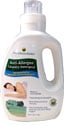
Mite-Y Clean All-Natural Laundry Detergent Simply washing your laundry will not remove dust mites and dust mite allergens, unless the water is hotter than 140°F. However, most washing machines do not get this hot, and frequent hot water washings can damage fabrics. Mite-Y Clean can remove allergens in any temperature. Regularly wash your bedding with Mite-Y Clean All-Natural Laundry Detergent to keep the dust mites in your bed to a minimum. |
|
|
Mite-Y Clean All-Natural Laundry Additive Use this laundry additive to remove dust mite allergens from your laundry, while washing at standard temperatures. Just wash your bedding and any other items with about 2 tablespoons of de-mite. One 16-oz bottle lasts for 22-24 loads, and Mite-Y Clean is completely safe for all washable fabrics. |
|
|
|
|
|
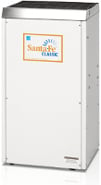
Santa Fe Compact70 Dehumidifier Dust mites, mold, and reaction-causing insects like cockroaches love humidity, so it is important to keep home humidity levels below 50%. Achoo! Allergy recommends the Santa Fe Compact70 Dehumidifier. This dehumidifier is rugged, built right here in the U.S., is extremely energy efficient, and removes excess moisture. |
|
|
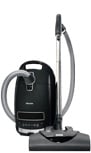
Miele Kona Vacuum Cleaner The lightweight, sleek Miele Kona vacuum cleaner may not make cleaning jump-up-and-down fun, but it definitely makes cleaning easier and more effective, especially if you have allergies. The sealed system and HEPA filter make the Miele Kona ideal for use by those that are suffering from allergies. |
Now that you’ve read through our dust mite facts and have a better understanding of dust mites, find out more about how to reduce dust mites and what products can help block the effects of dust mites with any of the resources below.
Allergy Bedding Buying Guide
Home Humidity and Allergies
Allergy Bedding FAQs