
What is eczema?
Eczema FAQ content helps individuals better understand a condition that affects millions of people worldwide yet often feels confusing and unpredictable. Eczema, also known as atopic dermatitis, is a chronic inflammatory skin condition characterized by dry, itchy, and irritated skin. Symptoms can vary widely in severity and may come and go in cycles, making it difficult to know what triggers flare-ups or how best to manage them.
Many people living with eczema have questions about why flare-ups occur, whether the condition is contagious, and what lifestyle factors influence symptom severity. Environmental triggers such as allergens, dry air, harsh soaps, and temperature changes can all play a role. Stress and immune system responses are also closely linked to eczema activity, further complicating daily management.
An eczema FAQ serves as a reliable starting point for understanding both the physical and practical aspects of the condition. Questions often center around treatment options, including topical medications, moisturizing routines, and preventative strategies to protect the skin barrier. Others focus on everyday concerns such as bathing frequency, clothing materials, and the impact of indoor air quality on sensitive skin.
Eczema can affect people of all ages, from infants to adults, and may appear on different parts of the body over time. Because symptoms and triggers vary from person to person, personalized care and informed decision-making are essential. Learning how eczema behaves helps individuals identify patterns, reduce discomfort, and improve long-term skin health.
By addressing common concerns in one place, an eczema FAQ empowers readers with clear, trustworthy information. Understanding the basics of eczema is the first step toward managing symptoms more effectively and maintaining healthier, more comfortable skin day to day.
Eczema is inflammation of the skin, characterized by redness, swelling, and itching. “Dermatitis” is the medical term for inflammation of the skin and is often used interchangeably with eczema. In severe cases, the skin may flake, blister, crack, ooze, and bleed.
What is atopic dermatitis?
“Atopy” is the genetic tendency to develop allergic diseases like hayfever and asthma. Atopic dermatitis is the most common type of eczema; it results from the immune system overreacting to allergens, causing inflammation. Emotional distress can also trigger flare-ups in some cases. Atopic dermatitis usually runs in families, and according to EczemaNet, 10 to 20 percent of the world population suffers from atopic dermatitis at some point during childhood, but it normally clears up with age.
What is allergic contact dermatitis?
Allergic contact dermatitis results from an allergen or irritant coming in contact with the skin. Nickel and latex are two allergens that commonly cause allergic contact dermatitis. Poison ivy and its poisonous relatives also cause allergic contact dermatitis for many people.
Will my child outgrow eczema?
Eczema appears before age 5 in 90% of all cases. A little over half of these cases clear up with age, and the rest persist into adulthood.
What is the connection between atopic dermatitis, allergies, and asthma?
Anyone with atopic dermatitis is more likely to develop allergies and asthma. Researchers have found that allergens from the environment can actually enter our bodies through small cracks in our skin, and eczema weakens the skin barrier. People who suffer from both eczema and asthma carry the same gene mutation, and eczema may lead to asthma in some cases.
Is there a cure for eczema?
Currently, there is no cure for eczema. However, a wide range of eczema treatments is available.
How is eczema treated?
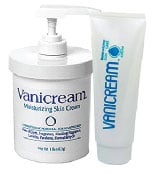 For severe flare-ups, you should see a doctor and get medication. If your skin is infected, the doctor may prescribe antibiotics. Antihistamines may help reduce the itch and help you sleep; they are available in prescription and non-prescription strength. Prescription and non-prescription corticosteroid creams and ointments reduce inflammation.The most common effective treatment for eczema is the application of lotions or creams right after a shower to keep the skin moist. Vanicream Skin Cream & Vanicream Lite Lotion are recommended by dermatologists for people with sensitive skin. Vanicream Liquid Cleanser is the ideal cleansing product for people with eczema, as regular soap can irritate and dry out the skin.
How can I prevent eczema flare-ups?
Allergen avoidance is the key to preventing eczema flare-ups. Dust mites lead to flare-ups for many eczema sufferers. Dust mite allergen not only causes inflammation in those who are sensitive, but it also contains an enzyme that destroys the protective function of the skin. The most effective method of ridding your bedroom of dust mites is to encase your bed in allergy relief bedding.
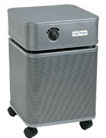 Air purifiers and HEPA vacuum cleaners eliminate dust mite allergen and other allergens like mold, pet dander, and pollen. Ecology Works Dust Mite & Flea Control Carpet Powder and de-mite laundry additive will also help keep dust mites and their destructive enzymes away from your skin.
A humidifier will help keep you skin moist. Humidifiers are especially helpful during the winter when the air is cold, dry, and harsh on the skin. Stress can also cause eczema flare-ups. You can reduce stress with exercise, meditation, and a healthier lifestyle.