
Mold and Mildew Solution Guide for a Healthier Home
Mold and mildew solution guide searches often come from people dealing with musty odors, visible growth, or persistent allergy symptoms that seem to worsen indoors. Mold and mildew thrive in damp, humid environments and can quickly spread across surfaces such as walls, ceilings, bathrooms, and even fabrics if left unchecked. While mildew is typically a surface-level fungus that is easier to clean, mold can penetrate deeper into materials and pose more serious health concerns. Exposure to mold spores can trigger symptoms such as sneezing, congestion, coughing, skin irritation, and, in some cases, worsen asthma or other respiratory conditions.
For individuals with allergies or multiple chemical sensitivities (MCS), even small amounts of mold can cause noticeable discomfort. Understanding how to identify, remove, and prevent mold growth is essential for maintaining a healthy indoor environment. A well-rounded mold and mildew solution guide focuses not only on cleaning visible growth but also on addressing the root cause, excess moisture.
Without controlling humidity and ventilation, mold is likely to return even after thorough cleaning. From improving airflow and using dehumidifiers to choosing the right cleaning methods and products, there are multiple strategies that can help keep your home dry and mold-free. This guide will walk you through practical, effective solutions to eliminate mold and mildew while helping you create an environment that discourages future growth, so you can breathe easier and maintain a cleaner, healthier living space.
A comprehensive mold and mildew solution guide should always begin with identifying moisture sources within the home. Leaks, condensation, poor ventilation, and high humidity levels all contribute to an environment where mold can grow quickly. By identifying and addressing these issues early, you can prevent mold from spreading and reduce the need for more intensive cleanup later.
Another key component of an effective mold and mildew solution guide is consistent maintenance. Even after mold is removed, areas prone to dampness, such as bathrooms, basements, and kitchens, require ongoing attention. Regular cleaning, proper ventilation, and the use of moisture control tools can help keep these spaces dry and less hospitable to mold growth.
An often-overlooked aspect of a mold and mildew solution guide is indoor air quality. Mold spores can become airborne and circulate throughout your home, even if visible growth is limited to one area. Using high-quality air purifiers and maintaining clean HVAC systems can help reduce airborne spores and improve overall air quality, especially for individuals sensitive to allergens.
Using bleach to remove mold is ineffective and can cause problems for allergy sufferers by releasing harmful vapors and chemicals back into the air. Instead of reaching for the bleach, a help to prevent mold from forming by using a true HEPA air purifier and HEPA vacuum cleaner to reduce mold spores in your indoor air. Next, control humidity and prevent mold by removing excess moisture with a dehumidifier. If you need to remove mold, opt for a non-toxic cleaner, wear gloves, and don’t forget an allergy mask that features HEPA filtration to prevent breathing in harmful particles. These simple steps can help you control your environment and avoid allergic reactions.
Mold Information and Resources
 |
About Mold |  |
Health Risks of Excess Moisture |  |
Control Mold Allergies |
 |
Mold FAQ |  |
Restoring Water Damage |  |
Air Purifier Buying Guide |
 |
Pictures: Common Household Molds |  |
Dehumidifier Buying Guide |
Mold: The Pervasive Fungus Among Us
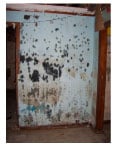 As a relative of mushrooms and yeast, mold serves nature well by decomposing dead organic matter like leaves and wood. However, when mold grows in your home, its powerful enzymes eat through wallpaper, wood, and other materials while producing allergens that can have severe health consequences. Prolific throughout nature, there are over 200,000 identified species of mold, with more being discovered regularly.
Mold reproduces with mold spores which are like microscopic seeds. At about three microns in size, mold spores are invisible to the human eye. For comparison, the period at the end of this sentence is roughly 300 microns in size – that’s 100 times larger than the typical mold spore! Not only are they invisible, but mold spores are virtually indestructible. They can live for decades, just lying dormant, waiting for the right conditions to begin growing and producing more mold spores, and many species release chemical toxins into the air as a self-defense mechanism. The more you learn about mold spores, the more they sound like space invaders in a sci-fi flick.
Mold & Your Health
 In 2006, a University of Cincinnati study found that infants who were exposed to airborne mold spores were more likely to develop allergies to mold, pollen, dust mites, pet dander, and certain foods as they grew older. Tina Reponen, author of the study, says, “It turns out that the health effects of airborne fungal spores are more complicated than we thought.
“Over 80% of allergy sufferers are sensitive to mold spores, and a 1999 Mayo Clinic study discovered allergenic fungal sinusitis among 93% of patients with chronic rhinosinusitis (CRS). Like other allergens, mold can cause sneezing, chronic cough, runny nose, congestion, itchy and watery eyes, skin rashes, sinus headaches, and even more severe respiratory problems.But you don’t have to be an allergic individual for mold to adversely affect your health. Mold can also act as an infectious agent, like bacteria and viruses. Additionally, some species of mold produce chemical toxins called mycotoxins. Stachybotys (pronounced “stack-ee-BOT-ris”), also known as black mold, is the most common and dangerous species of toxic mold. Symptoms of toxic mold exposure may include memory loss and other cognitive disorders, nose bleeds, dizziness, nausea, anemia, difficulty breathing, and death.
How to Prevent Mold Growth
 The U.S. Environmental Protection Agency (EPA) estimates that half of all U.S. buildings contain areas damp enough for mold growth.
Your Home + Moisture = Mold Growth
It’s as simple as 1 + 1. If there’s not enough moisture in the air, then mold cannot grow. Therefore, if you suffer from mold allergies (or if you don’t want mold to decompose your home), you should monitor relative humidity with a humidity gauge and dehumidify the air to remove excess moisture with a quality basement dehumidifier. By keeping your relative humidity below 50 percent, you can prevent mold growth.
Mold flourishes on your bedding, feeding off the moisture from your body. Sleeping on allergy relief bedding can help you avoid breathing in allergens while you’re sleeping. Exclusive to AchooAllergy.com, BedCare bedding features a special antimicrobial finish to prevent the growth of mold and other microorganisms while keeping dust mites and other allergens out.
Vital Oxide Disinfectant And Cleaner and AllerTech® No More Mildew Protective Coating also prevent mold growth on surfaces like tile, shower doors, furniture, mattresses, wallpaper, ceilings, walls, and more. Finally, if your home experiences water damage from a leak or flood, be sure to dry out all damp materials within 24 – 48 hours.
Mold Removal and Remediation
 Modern houses and apartments are sealed up tightly for energy efficiency; however, those tight seals trap allergens and pollutants inside your home. Air out your home as much as possible and use air purifiers to remove mold spores and other allergens from the air. Hidden mold often grows inside HVAC systems. An allergy relief vent filter will trap mold spores before they have a chance to enter your lungs.
For allergy sufferers, frequent cleaning can transform misery into relief. While dead human skin makes up the majority of household dust, mold spores are present in dust as well. Vacuum thoroughly and regularly with a HEPA vacuum cleaner to remove mold spores from your carpet and furniture. Vital Oxide Disinfectant And Cleaner, a versatile all-purpose cleaner, works well on almost any surface, and it can be used in pressure washers, carpet cleaners, and pump sprayers, as well as for cleaning by hand. EPA-approved, non-toxic disinfectant Vital Oxide Mold and Mildew Remover is the safest and most effective solution for mold removal, odor control, green cleaning, and broad-spectrum disinfection.
 According to the EPA, if you find a mold colony that’s 10 square feet or smaller, you should be able to handle the cleanup job yourself. Scrub the mold off hard surfaces with water and AllerTech® All Purpose NAS-12 Cleaning Solution or AllerTech® Anti-Allergen Solution. But be careful! Cleaning mold releases spores into the air, so if you are sensitive to mold, you’ll need to wear goggles, gloves, and an allergy mask for protection. Ensure the area is well-ventilated, and wash all supplies and clothing thoroughly after cleaning.
For a large-scale clean-up, look over our Water Damage Restoration page for some useful tips and hints. If you suspect that mold may be releasing toxic chemicals or if a mold colony is larger than 10 square feet, you should consider hiring a mold remediation professional.
Click here to Shop all of our Mold Prevention Products!