
What is mold?
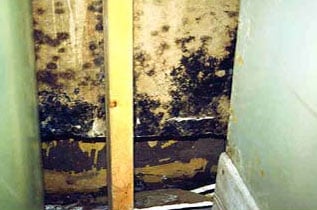 This Mold FAQ provides homeowners and renters with essential information about a common yet often misunderstood household problem. Mold can appear anywhere moisture and organic material are present, from bathrooms and basements to HVAC systems and behind walls. Understanding how mold grows, the risks it poses, and the best ways to prevent it is critical for maintaining a healthy home.
Mold growth occurs when spores, which are naturally present in the air, land on damp or humid surfaces. Left untreated, mold can spread quickly, producing allergens and irritants that affect indoor air quality. People with allergies, asthma, or other respiratory conditions are particularly sensitive to mold exposure, which can trigger sneezing, coughing, skin irritation, and in severe cases, more serious health issues.
Preventing mold involves controlling moisture through proper ventilation, leak repair, and humidity management. Regular cleaning and the use of mold-resistant materials also reduce the likelihood of growth. For existing mold, professional remediation may be necessary to remove contaminated surfaces and prevent recurrence. While DIY methods can address small patches, larger infestations require specialized expertise to ensure safe and effective removal.
This mold FAQ also addresses common concerns such as how to detect hidden mold, the difference between mold and mildew, and the effectiveness of air purifiers or dehumidifiers in controlling spores. By providing answers to these questions, homeowners can take proactive steps to safeguard both their living spaces and their health.
Using this mold FAQ as a resource empowers individuals to identify, prevent, and manage mold problems efficiently. Knowledge and early action are key to keeping indoor environments safe, comfortable, and mold-free year-round.
Molds are neither plants nor animals. They are microscopic fungi, related to mushrooms, yeast, and mildew, and they can be found everywhere. Fungi use enzymes to digest food, and reproductive cells called spores to reproduce. Molds play an important role in the decomposition of leaves, wood, and other dead plant matter. Mold puts the “blue” in blue cheese, and mold is the original source of penicillin, one of the earliest and most widely used naturally occurring antibiotics. Unfortunately, mold is also one of the most common allergens worldwide.
Where does mold grow?
Mold spores need moisture to colonize and grow. Molds can grow on wood, ceilings, wallpaper, paint, carpet, sheet rock, and insulation. More specifically, when conditions are right, molds only need three things to survive: oxygen, a cellulose-based food source, and moisture. If you think your home has mold, it’s a good idea to have it inspected. Professionals use their powerful enzymes to dissolve home materials in the same way that they dissolve decaying plant matter. An environment with high humidity (high levels of moisture in the air) sets the stage for extreme mold growth and thereby poses a risk to your health. Kitchens, bathrooms, garages, basements, and crawlspaces are notorious for mold growth. If any part of your home has experienced water damage, then you’ll certainly find mold there. The U.S. Environmental Protection Agency estimates that one-third to one-half of all U.S. buildings have areas damp enough for mold growth. Even though indoor humidity is generally lower in winter, indoor mold allergy may be more prevalent in some homes during this time due to tight, energy-efficient seals. Mold is also pervasive outdoors, and depending on their location, many people suffer from seasonal mold allergies.
Is exposure to mold dangerous?
Mold growth can not only lead to structural damage to your home (like sagging floors), but it can also adversely affect your health. You can be exposed to mold by touching moldy materials, eating moldy foods, and breathing in microscopic mold spores in the air. You can inhale over half a million spores per minute without even knowing it. Mold allergy symptoms may include skin rash, runny nose, irritated eyes, cough, congestion, and aggravation of asthma.
A 1999 Mayo Clinic study found that allergic fungal sinusitis (AFS) was diagnosed in 93% of cases of chronic rhinosinusitis (CRS), a condition that affects an estimated 37 million Americans. According to a 2005 study, exposure to mold in damp homes can double the risk of asthma development in children.
Most health problems caused by molds are related to allergic reactions; however, molds can also invade the body as pathogens. Allergic bronchopulmonary aspergillosis is a serious lung disease similar to pneumonia in which mold colonizes and grows in asthmatic mucus within the lungs. People with chronic lung diseases and compromised immune systems are more prone to fungal pulmonary infections.
What if I’m not allergic to mold? Will it still affect me?
Yes. One very serious byproduct of mold colonization and growth is the production of mycotoxins. Mycotoxins are powerful agents that many link to “sick building syndrome”. More to the point, mycotoxins can cause a range of symptoms in even healthy adults and children. This array of toxic byproducts has even been known to cause death in some of the most severe cases. We’ll touch on this mold FAQ again.
Which kinds of mold are allergenic?
Not all molds are allergenic. As with pollen, certain mold spores are allergenic because they are small enough to float in the air and evade the protective mechanisms of the respiratory system. The most common allergenic, indoor molds include Alternaria, Aspergillus, Chaetomium, Cladosporium, Fusarium, Mucor, Penicillium, and Stachybotrys.
What is toxic mold?
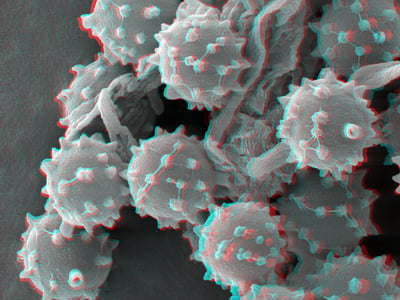 First of all, “toxic mold” is a bit of a misnomer. Mold itself is not toxic; however, some toxigenic molds (“toxic molds”) produce poisons called mycotoxins, which can cause fatigue, nausea, headaches, eye irritation, and respiratory problems. Stachybotrys mold, also known as black mold, has been known to cause fatal lung bleeding in infants when combined with environmental cigarette smoke.
Toxigenic molds present all the same health problems as other molds, including allergy symptoms in sensitive individuals. Additionally, in some cases, highly toxigenic molds like Stachybotrys and Chaetomium have been blamed for fatigue, nausea, headaches, pulmonary hemorrhage, chronic bronchitis, multiple sclerosis, lupus, cancer, fibromyalgia, rheumatoid arthritis, learning disabilities, memory loss, and death.
Since they can cause neurological damage, mycotoxins are also neurotoxins, and they have allegedly been used as biological weapons. Some people believe that biological warfare involving mycotoxins contributed to the Gulf War Syndrome, the unexplained illness that affected many soldiers who fought in the Gulf War. Severe mycotoxicosis (mycotoxin poisoning) results in total exhaustion, weakness, loss of muscular coordination, shock, and death.
Like any mold, toxigenic molds thrive in warm, damp conditions. Houses that have been flooded represent the perfect environment for toxic mold growth.
How do I know if I have a mold problem?
If you see small, white, thread-like growths or clusters of small, black dots on the walls of your bathroom or basement, or if you smell a musty odor, then you most likely have a mold problem. In some cases, mold will actually grow within the walls of a house or building, making it more difficult to detect. Some mold, however, is hidden and cannot be easily detected by our senses.
Symptoms of mold allergy include a runny nose, an itchy nose, sneezing, fatigue, headache, congestion, sniffling, sore throat, itchy eyes, and watery eyes. In children, mold allergy typically leads to recurrent respiratory infections.
If you can’t see or smell it, how will I know it’s there?
While you may find some online test kits and businesses offering inexpensive services, many of these aren’t worth the money you spend on them. The most basic of kits traditionally test for mold spores, which isn’t an accurate indicator of a mold problem unless the mold count is extremely elevated (we’ll touch on the mold count again in a subsequent Mold FAQ). Mold spores, as we mentioned in a mold FAQ above, are omnipresent. There will be a few places where you will find no mold spores in the air. A more accurate assessment of a potential problem can be achieved through a physical inspection, combined with testing and humidity level readings in the home. Severe mold problems are often not too difficult to miss, but it is generally best to use a licensed, reputable, and insured specialist who takes into account several factors. On the other hand, people often detect it by changes in how they feel. Symptoms of mold allergies are covered in our All About Mold blog page. These, combined with an odor, high relative humidity in the home, recent flooding, leaking pipes, etc., are often a good first indicator.
How do I treat my mold allergy?
If you’re allergic to mold, the best method of treatment is to avoid contact with mold spores. Wear an allergy relief mask when working outdoors, and take measures to control mold growth inside your home. You can also talk to your allergist about pharmaceutical and immunotherapy treatment options.
How can I control the mold growth in my home?
In practical terms, just as you cannot kill every single dust mite in your home, you cannot get rid of every single mold spore, but with environmental control, you can get rid of enough of them to see improvement in your allergy symptoms.
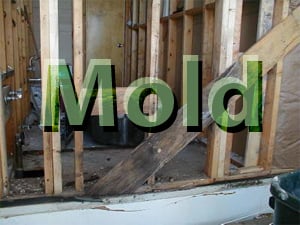 Repair any leaks or problems leading to water build-up in your home immediately, and remove all materials that have been damaged by water (this includes wood, wallpaper, carpet, etc.). Keep exterior surfaces of your home properly sealed, and avoid piling wood or leaves near your home, as they collect moisture. Scour sinks and tubs at least once a month, and wash out garbage receptacles frequently. Pay particular attention to cracks, seams, and grout in the kitchen, bathroom, and laundry areas. Removing indoor plants can also reduce the number of mold spores in the air.
Make sure your home is adequately ventilated. Hidden mold can often grow inside HVAC systems. An allergy relief vent filter will trap the mold before it reaches you.
A HEPA air purifier can remove 99.97% of all mold spores in your home, and a HEPA filtered vacuum cleaner will suck up microscopic mold spores deep in your carpet so that you can dispose of them.
Monitor the humidity in your home with a hygrometer, or humidity gauge. Keep your home’s humidity between 40 and 50 percent. Most importantly, use a dehumidifier to remove excess moisture from the air and control humidity.
Polyurethane and rubber foams, commonly used in bedding materials, are especially prone to fungal invasion. If you have polyurethane or rubber foam bedding, consider purchasing allergy relief bedding specifically designed to block allergens.
Use diluted bleach or the versatile, AllerTech® All Purpose Anti-Allergen Cleaning Solution or Vital Oxide Disinfectant Spray to clean visible mold growth, and use AllerTech® No More Mildew Protective Coating as a sealant to prevent future mold growth.
How should I clean up toxic mold?
The act of cleaning mold can increase the airborne spore level by ten thousand times, which can result in severe illness and actually spread mold growth if done improperly. Such high levels of airborne mold spores warrant protective clothing, including gloves, goggles, and a HEPA respirator face mask. If you suspect you have toxic mold in your home, then you should consider hiring a professional mold remediation expert to clean up the mold and safely dispose of it.
What is a mold count?
Similar to the pollen count, a mold count tells us the number of mold spores counted in a standard volume of air over a 24-hour period at a given time and place. If you’re allergic to mold, stay indoors as much as possible when the mold count is high. Anymore, your local news and weather websites will actually post information about mold spore counts, particularly if they are high.
For more in-depth or specific information about mold,
✔ Guide to Mold
✔ Common Types of Household Mold
✔ Winter Mold Allergies
✔ Mold Allergy & Food Sensitivity
✔ Dehumidifier Buying Guide
✔ Health Risks of Excess Moisture and Mold