
Many people find that regular use not only relieves symptoms but also helps prevent them from worsening over time. With a variety of options available, including neti pots, squeeze bottles, and pre-mixed saline sprays, it’s easier than ever to find a method that fits your comfort level and lifestyle. Choosing the right nasal irrigation & sinus flush solutions ensures both safety and effectiveness, especially when using properly prepared saline and clean devices. Whether you’re looking for natural allergy relief, recovery support during a cold, or a way to maintain clearer sinuses year-round, understanding how nasal irrigation works is the first step toward better breathing. In this guide, we’ll explore the benefits, different types of solutions, and best practices to help you safely and effectively incorporate nasal irrigation into your routine for long-lasting relief and improved sinus health.
Nasal irrigation is an ancient health practice originating in the yoga tradition. During the 19th century, physicians encouraged nasal flushing as a routine cleansing method. Now, a growing body of scientific evidence shows that this practice is safe, effective, and beneficial. It is increasingly accepted in the medical profession as a simple way to treat common sinus problems caused by allergies, colds, and sinus infections. In practice, a nasal & sinus irrigation system involves flushing the nasal passages with a warm saline solution to clean them and alleviate stuffiness and nasal blockage.
Nasal Irrigation and Sinus Wash Systems
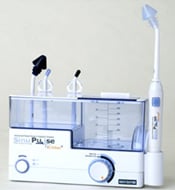
SinuPulse Elite Nasal Irrigation System
One of the most advanced nasal irrigation systems, the SinuPulse features variable-pressure control, dual-spray operation, and an LED display. It is the only pulsating nasal irrigation system designed by experts to deliver both a thorough cleansing rinse and a micronized mist spray for doctor-recommended rinses and solutions. The system includes two sinus tips, two throat tips, and tongue cleaners. A complete instruction guide with healthy sinus tips from Dr. Robert Ivker is included with the system.
Pluses:
- Easy to use and clean
- System has a hypoallergenic design
- Includes 30 SinuAir saline packets
- Fully variable water pressure control
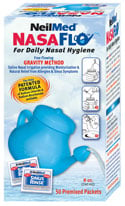
NasaFlo Saline Rinse Kit
The NasaFlo neti pot is a simple and effective way to gently cleanse and rinse irritated sinus passages. Simply fill with a nasal rinse and allow gravity to soothe away dry or inflamed sinus cavities. Though very simple, the neti pot is the most basic and effective form of sinus irrigation.
Pluses:
- Uses free-flowing gravity rinse rather than a bottle
- Comes with 50 premixed packets & complete instructions
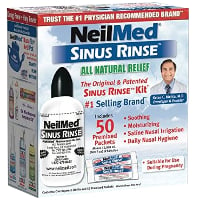
NeilMed Sinus Rinse Kit
This physician-developed sinus rinse kit includes pre-measured packets, a smooth flow rinse bottle with cap and tube, and an educational pamphlet. The mixture is preservative-free and pH-balanced, so there’s no burning or stinging. Refill mixture packets are also available.
Pluses:
- Includes pre-measured packets
- Easy squeeze bottle

SinuAir Nasal Wash System
This kit provides relief that can be used virtually anywhere. The complete wash system gives you everything you need to mix your own nasal wash solution. The all-natural mixture is formulated to approximate the body’s natural salinity and electrolyte composition. SinuAir can be purchased as entire kits, 30 packet boxes, or 200-300g jars. Works well with the SinuPulse.
Pluses:
- 100% All Natural, with no preservatives or harsh chemicals.
- Dissolves quickly in warm water for easy use.
What Is Nasal Irrigation?
Nasal irrigation dates back to the yoga practice of “jala neti”. This ancient personal hygiene practice is now used today as a home remedy for treating sinus problems, allergies, and colds, and relieving nasal blockage. This method of nasal cleansing can be more soothing and less expensive than a typical over-the-counter sinus relief drug, and does not have the same unpleasant side effects, such as drowsiness or an upset stomach.
As mentioned above, nasal irrigation involves flushing warm saline solution through the nostrils. This can be done using a variety of delivery methods (such as a neti pot, a bulb syringe, a cupped hand, or a device specifically designed for nasal irrigation) and different saline solution strengths (the amount of salt added to the water). Flushing water through the sinus cavity seems challenging and unpleasant, but don’t worry, we are going to explain the process step by step–the treatment is not as terrible as it sounds. Using one of the specially designed devices mentioned on this page makes the process very easy.
Who Should Use Nasal Irrigation?
Nasal irrigation is not harmful and can be used for a number of sinus problems. It can be used to fight colds, clean the nasal passages, and reduce allergy symptoms. For people who suffer from seasonal allergies, nasal irrigation flushes and removes pollens from the nose. You should not use nasal irrigation if you are suffering from acute sinusitis or if you have frequent nosebleeds.
How Does Nasal Irrigation Work?
You start with a saline solution. There are various types of nasal and sinus irrigation solutions available, as well as various schools of thought on the best way to prepare a nasal wash. However, the best idea is to use a saline (salt water) solution at a moderately warm temperature, essentially mimicking the warmth of your own body.
Next, you need a container for the solution. These range from the primitive cupped hand to the more advanced devices. Most commonly, people like to use a bulb syringe, neti pot, or irrigator.
Then, you get to the process of flushing your nasal cavities. If you are using a simple device like a neti pot or syringe, use the following steps:
- Lower your head over a sink, so that dripping water stays contained.
- Turn your neck to the side so that one nostril is down.
- Using the container, pour the solution into the elevated nostril.
- The fluid will drain out of the lower nostril and down into the sink. (It can help to plug the other nostril).
- Gently blow your nose to remove excess moisture.
- Repeat this procedure with the other nostril.
Make sure you continue breathing steadily and evenly through your mouth to avoid accidentally inhaling the saline solution.
Can I Mix My Own Nasal Irrigation Solution?
Yes. The saline solution used in nasal irrigation can be purchased or prepared at home. To mix a saline solution with a salt content similar to your body fluids, mix 1/4 tsp salt, 8 oz warm water, and 1/4 tsp baking soda. Using filtered or distilled water and non-iodized canning salt rather than general table salt is preferred, but it is not necessary. There are two kinds of home-prepared saline sinus irrigation solutions. An “isotonic” saline solution has a salt concentration similar to that of the body’s fluids (as in the example above). This is a more soothing mixture. A “hypertonic” saline solution, which is more like ocean water, has a higher salt concentration. Because salt absorbs moisture, this type of solution can be more effective at relieving swelling. The higher salinity, or salt content, means that the water in your swollen tissues will be absorbed. However, research on the effectiveness of hypertonic solutions has yielded mixed results, and it can be more irritating to your sinuses than isotonic saline.
To learn more about saline rinse solutions.
Why not just use plain water? The salt in the saline solution will absorb moisture. Because there is some salt content in your body’s tissues, rinsing with a plain water solution, which has a lower salt content than your body, actually can increase the swelling in your sinuses. The salt content in your sinus tissues will absorb the water rinse, causing them to become more swollen.
What Are Cilia and How Do They Help With Nasal Irrigation?
Cilia are tiny microscopic membranes that line your respiratory tract. They move bacteria out of the nose by beating at about 20 pulses per second. Many sinus problems are caused by cilia slowing or stopping their beating. Using a nasal irrigation device that pulsates the rinse flow can cause the cilia to return to their normal rate of beating. For this reason, it can be beneficial to use a specially designed irrigation device that automatically pulsates the flow of saline solution.
Is Nasal Irrigation Safe?
Yes, a nasal irrigation system is safe in the same way that ocean water is safe. It can be used every day for nasal irrigation with no side effects. At worst, the process is mildly uncomfortable. You quickly become used to the sensation. The benefits of breathing better are worth it.
For more information about these products or sinus problems, visit our Sinus Irrigation Solution Guide or see our entire offering of Sinus relief & nasal irrigation products.