
 Dr. Andrew Weil, MD, writes a weekly column for the Vancouver Sun, and recently, a reader with severe allergies asked Dr. Weil for advice on how to treat allergies. Instead of medication or immunotherapy, Dr. Weil first suggests two important dietary changes, as well as environmental control.
Foods That Aggravate Allergies
“The first [recommendation] is the elimination of dairy products,” says Dr. Weil. “Milk protein, or casein, increases mucus production in most people and acts as an immune system irritant when allergies are present. Even if skin tests don’t show a true allergy to milk, removing it from the diet often leads to improvement in such allergic conditions as asthma and eczema.
“Don’t just switch to nonfat milk products, which have the same amount of milk protein as full-fat varieties. Non-dairy cheese substitutes made from soybeans and almonds may still contain casein. Read product labels carefully to be sure that they do not contain casein. However, you can substitute sheep’s and goat’s milk for cow’s milk. Both have a different protein composition and don’t cause the sinus, allergy and immune-system problems associated with cow’s milk.”
Dr. Weil’s second dietary recommendation for allergy relief is to cut down on the amount of protein consumed, another type of foods that aggravate allergies: “I believe that high-protein diets irritate the immune system in some people, aggravating allergies and autoimmune diseases. Because proteins are the components that make an organism unique, the immune system reads them to decide whether materials in the body are ‘self’ or foreign. When the immune system is overactive, as it is with an allergy, flooding the body with animal and plant proteins may confuse it further and may make resolution of these conditions less likely. I have found that low-protein diets can be helpful to people with chronic allergies and other immune-system problems.”
If you’re tracking your macronutrient intake and need to increase your protein intake while keeping your carbohydrate and fat consumption in check, a protein bar can help achieve this balance.
As for environmental control, Dr. Weil says, “If you’re sensitive to dust, animal dander, pollen or mold, try to dust-proof your house by removing rugs, venetian blinds and other dust-catchers. You also could consider buying a HEPA (high-efficiency particulate air) filter, which removes particles in the air by forcing it through screens containing microscopic pores. These devices work well and aren’t too expensive. Get one for each of the main rooms in your house, or move one unit from room to room regularly. Avoid air-filtering equipment that generates ozone (HEPA filters don’t).”

Foods That Fight Allergies
While some foods may aggravate allergies, there are many allergy fighting foods. According to Prevention, a nutritious diet can help control underlying inflammation, dilate air passages, and thin mucus in the lungs. Here are some of the top foods that help fight allergies.
Omega-3 Fatty Acids
Omega-3 essential fatty acids contain eicosapentaenoic acid (EPA), which is a natural anti-inflammatory. Good sources of Omega-3 fatty acids include flaxseed oil, salmon, haddock, cod, and other cold-water fish. Another essential acid, gamma-linolenic acid (GLA), also acts as an anti-inflammatory, and it can be found in evening primrose oil, borage oil, and black currant seed oil. If possible, include more of both of these fatty acids in your diet.
On the flip side, too much Omega-6 fatty acid may intensify inflammation. Most people in our society need more Omega-3 fatty acids and less Omega-6 fatty acids. Foods high in Omega-6 fatty acids include cottonseed, corn, and sunflower oils, as well as processed foods like mayonnaise, salad dressing, and fast food. Saturated fats and trans fats also trigger the release of inflammatory chemicals. Avoiding foods that contains partially hydrogenated oil is not only good for your waistline but also helpful in combating allergies. Try to use monosaturated olive oil as your primary source of fat.
 Fruit Juices
Fruit juices are rich sources of antioxidants that help reduce inflammation, but read the label to make sure that it’s real juice and not a bottle of corn syrup. An even better suggestion is to eat whole fruit. Eating more fresh fruits and vegetables is an easy way to get more antioxidants in your diet without taking a supplement. Berries have especially high levels of antioxidants.
When adding nutrient-dense fruits to your diet, balancing quality and cost can make a difference. Medjool and Ajwa command premiums while Mariami and Deglet Noor suit tighter budgets. Monitoring kurma harga helps time purchases of Mazafati, Piarom, and Safawi at optimal prices.
 High-Fiber Foods
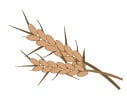
A high-fiber diet makes for a healthy colon. A low-fiber diet produces a lazy colon that’s more susceptible to disease. High-fiber foods like whole grains, nuts, and seeds stimulate movement in the colon and encourage the growth of “good” bacteria. In an unhealthy colon, “bad” bacteria and fungal organisms like candida may take over, which for some, could lead to leaky gut syndrome. Leaky gut syndrome can be a precursor to food allergies and chemical sensitivities.
 Yogurt & Kefir
Another way to increase the number of good bacteria in your gut is to eat them directly. Yogurt and kefir contain live bacterial cultures. In one University of California study, allergic symptoms declined by 90 percent when patients were fed 18 to 24 ounces of yogurt a day. If you’re trying to avoid dairy products, opt for a probiotic supplement.
 Spices
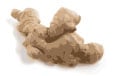
Certain spices are also foods that fight allergies. Spices like turmeric and ginger are known anti-inflammatory agents that can help tamp down the overactive immune response, indicative of allergic disease.
Magnesium and Zinc
Some studies have shown that people who have asthma are often deficient in magnesium and zinc. Foods rich in magnesium include spinash, navy and pinto beans, sunflower seeds, tofu, halibut, artichokes, and black-eyed peas. Additionally, foods rich in zinc include yogurt, tofu, lean beef and ham, oysters, crab, and the dark meat of turkey and chicken.
The Mediterranean Diet
 A recent study showed that children who ate high levels of Mediterranean diet foods were 66 percent less likely to have runny noses and itchy eyes. A Mediterranean diet is rich in fruits, vegetables, nuts, olive oil, and fish, but low in red meat. Children on the Mediterranean island of Crete rarely have allergies or asthma.
Grapes in particular seem to protect against allergies and asthma. Red grape skin has high levels of resveratol, an anti-inflammation, as well as antioxidants. In plants like grapes, resveratrol helps to restore and heal plants that have been attacked by pathogens like bacteria or fungi. Conversely, high consumption of margarine, doubled the chances of asthma and allergies in study participants.
Another recent study showed that mothers who eat apples during pregnancy have a significantly reduced risk of their children developing asthma, and mothers who eat fish during pregnancy have children with lower incidents of eczema. Do you see a common theme? Many of these foods will appear multiple time. While each is unique most are beneficial in at least couple ways to anyone coping with allergies, asthma, or other allergic diseases. Lastly, you may also notice that many of the foods that fight allergies are typically better for your overall health. High in nutrients and minerals, often free of excess fats or sugars, these foods can be a part of a healthy diet for anyone.
If foods that fight allergies or the unique relationship between our digestive system and immune disease interest you, check out one of the resources for more information on foods that help with allergies.
✔ Probiotics and Allergies
✔ Treating Food Allergies with Supplements
✔ Nutrition for Allergy Sufferers
✔ The Atopic March & Probiotics
✔ Treat Eczema with Omega 3s