
 Eczema affects up to 30 percent of Americans. The condition is characterized by a defect in the skin that compromises its function as a barrier and that causes dry, itchy rashes. Symptoms are quite disruptive to quality of life especially in severe cases. It can even affect individuals psychologically, as we have previously discussed in our blog, Childhood Eczema Influences Mental Health.
While conventional treatments like topical lotions and oral medications attempt to treat the symptoms of the disease, it’s quite difficult to attack the underlying problem. Minimizing exposure to environmental allergens helps prevent flare-ups. Also avoiding harsh soaps, detergents, or sudden changes in temperature while reducing stress levels have proven to be beneficial for many.
But what about doing something to treat the problem “from the inside out”? Does eczema have a source in nutritional deficiencies, specifically an omega 3 oil deficiency? Omega 3 supplementation is a favorite solution among natural remedy enthusiasts. Recent scientific research seems to support the idea that you can actually treat eczema with fish oil and omega 3s. Let’s look more closely at why omega-3 oils might help eczema, and more importantly, at how to treat eczema with omega 3s.
What Are Omega 3s?
Omega 3s are a family of nutritionally important, essential fatty acids. Two of the best known of these fatty acids are DHA and EPA. These nutrients are increasingly in the spotlight as their health benefits become more known and publicized. For instance, omega 3s can reduce the risk factors that cause cardiovascular disease. Omega 3s can also help increase circulation and reduce inflammation. They have an anti-cancer effect. In addition, omega 3s are important for brain development, and therefore particularly crucial for pregnant women and babies.
How Can I Get Omega 3s?
Omega 3s are found in whole foods – and hardly at all in processed foods. An increased dependence on processed foods may very likely account for the population’s increasing lack of this important nutrient. Eating whole, minimally processed foods is a good way to ensure intake of omega 3s. Here is a list of some good sources of omega 3 fatty acids:
- Fish, especially salmon
- Flax seed
- Walnuts
- Omega 3 eggs
- Grass-fed beef
Omega 3 Deficiency and Eczema
Omega 3 oils have anti-inflammatory properties, and since many Americans are deficient in omega 3, it stands to reason that inflammatory conditions are on the rise – very likely due in part to this deficiency.
Omega 3 deficiency can contribute to chronic inflammation and related conditions including lupus, rheumatoid arthritis, heart disease, asthma, and eczema. In relation to eczema, omega 3 oils impact both elasticity and formation of the skin, as outlined on Natural Health Web. Omega 3 helps moisturize and lubricate the skin “from the inside.”
Interestingly, as this question posed by an Oprah.com reader suggests, allergies and eczema may be related it an interesting way. Someone who is allergic to nuts and fish is unable to eat two of the foods rich in omega 3s and may therefore be more susceptible to eczema.
Treat Eczema with Omega 3s from Flax Seeds and Flax Oil
Renowned, naturally-minded pediatrician Dr. Sears recommends getting omega 3s through flax seeds and flax seed oil. In addition to providing omega 3s, flax is also rich in other health-boosting benefits.
Here’s a digest of what Dr. Sears has to say about nutritiously dense flax seed:
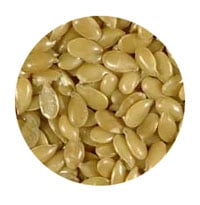
- Flax is “the best source of omega 3s.”
- Eat the whole seed. Eating the whole flax seed is better than only having the oil because of the additional nutritious fats it contains. Flax seed is a high quality protein and an excellent laxative because it’s rich in soluble fiber. Flax seed also contains B vitamins, vitamins C and E, carotene, iron, and zinc, as well as trace amounts of potassium, magnesium, phosphorus, and calcium. Vitamin E and carotene aid in the metabolism of flax seed oil. These are all great vitamins for eczema sufferers.
- Flax seed also contains high amounts of lignin, which is rich in anti-cancer properties, especially in relation to colon and breast cancers. (Lignin flushes extra estrogen out of the body).
- Flax seed also possesses antibacterial, antifungal, and antiviral properties.
How to Use Flax Seed
Grind flax seed in a coffee grinder and sprinkle it on cereal, salad, yogurt, or in muffins mix. Be sure to buy whole seeds, not split seeds, because split seeds are exposed to light and heat which decrease the flax seeds’ nutritional content.
How to Use Flax Seed Oil
Don’t use flax seed oil to cook with because it has a low smoking point. Instead, use the oil as a dressing applied right before eating. Consuming flax seed oil along with a meal can actually increase the nutritional value of some foods, such as dairy, meat, soy, and cabbage. Flax seed oil is sensitive to light and heat, so store it in the refrigerator in a dark glass bottle and buy it in small quantities.
Tip: Mixing flax seed oil with yogurt helps break down the oil, making it more easily metabolized.
Why You May Also Need Fish for Omega 3s
 As mentioned earlier, omega 3s are a family of fatty acids, meaning that there are many different kinds of omega 3s. The fatty acids in flax seeds are mainly ALAs. However, it’s important that an effort to up the amount of omega 3s in your diet includes an increase in fatty acids DHA and EPA as well. What this really means is that you can treat eczema with omega 3s found in fish as well. Fish that’s rich in omega 3s contains DHA and EPA, the fatty acids that are essential to a healthy brain. Of course, there is the matter of mercury toxicity in fish; this is one reason that salmon is an ideal source of omega 3s – it’s rich in omega 3s but low in mercury.
However, if you or your kids can’t stand fish – or you’re allergic to it – know that your body can convert the ALAs found in flax seed into DHA and EPA. This isn’t as straightforward as it sounds, though. As SupplementQuality.com explains in Fish Oil Versus Flax Seed Oil – Which is Better?:
The body uses various enzymes to convert ALA to other omega 3s, and the process is not very efficient, especially as one gets older. Estimates of the rate of conversion range from 5% to 25%. In order to make sufficient amounts of EPA and DHA, one needs to consume 5 or 6 times more ALA than if one relies on fish oil alone. Also, women convert ALA to the other omega 3s more efficiently than men, largely so they can meet the nutritional demands of their infants during pregnancy and breastfeeding.
More About Eczema and Allergies
Eczema symptoms include the following:
- Itchy skin
- Dry skin
- Rash, usually on the face, knees, hands, or feet
- Dry, thickened, or scaly skin in affected areas
- In those with darker skin, skin pigmentation may be affected, causing lighter patches.
- In infants, oozing, crusting spots may appear, especially on the scalp and face, though they can occur anywhere.
Conventional Eczema Treatment
Anyone who has struggled with eczema – or whose children have – knows that the condition can be notoriously difficult to treat. One main strategy is to keep the skin moistened by applying topical creams. Prescription topical or even oral corticosteroids are sometimes used to reduce inflammation, and antihistamines, phototherapy, tar treatments, and cyclosporine are also sometimes used.
The Food and Drug Administration has also approved two topical immunomodulators (TIMs), Elidel and Protopic for individuals who fail to respond to other treatments. However, these drugs carry a “black box” warning because they can cause cancer; they should only be used short-term.
Eczema and Allergies
Eczema and allergies are closely intertwined. The most common type of eczema is atopic eczema, also referred to as atopic dermatitis. According to WebMD, “Atopic refers to a group of diseases with an often inherited tendency to develop other allergic conditions, such as asthma and hay fever.”
In addition to this likelihood of having both eczema and other allergies, environmental allergens that cause allergy symptoms like runny noses and sneezing (such as pollen, pet dander, and dust mite allergen) can also cause eczema flare-ups.
If you found reading about How to Treat Eczema with Omega 3s helpful and would like to know more, visit any of these in-depth articles.
If foods that fight allergies or the unique relationship between our digestive system and immune disease interest you, check out one of the resources for more information.
✔ Probiotics and Allergies
✔ Nutrition for Allergy Sufferers
✔ The Atopic March & Probiotics
✔ Foods That Fight Allergies or Aggravate Them
✔ Genetically Modified Food
✔ Treating Food Allergies with Herbs
Additional external sources:
Top Ten Omega 3 Food Sources
Good Fat, Bad Fat: The Facts About Omega 3