
These asthma statistics provide valuable insight into the prevalence of this chronic respiratory condition and its impact on individuals and families worldwide. Affecting millions of children and adults, asthma remains one of the most common long-term health conditions, yet many people don’t fully understand its prevalence, triggers, or overall burden. By looking at the numbers, we can better grasp the scale of the issue and why effective management and prevention strategies are so important.
In this guide, we’ll break down the most important asthma statistics in a clear and accessible way. You’ll learn how many people are affected, which age groups are most at risk, and how environmental factors like air quality and allergens contribute to symptoms. We’ll also explore trends over time, including whether asthma rates are increasing and what that means for public health.
Understanding these statistics isn’t just about numbers; it’s about awareness and action. When you understand how common asthma is and the factors that influence it, you can make more informed decisions about your environment, lifestyle, and health. This is especially important for those managing asthma themselves or caring for someone who does.
Whether you’re looking for quick facts or a deeper understanding of asthma’s impact, this guide will give you a comprehensive overview of the most important data. Let’s take a closer look at the asthma statistics that matter and what they reveal about living with and managing this condition today.
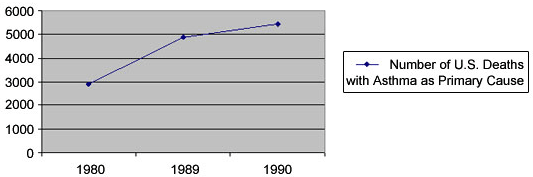
Asthma mortality rates have been steadily increasing since the 1970s.
- Asthma affects more than 20 million adults in the United States.
- Over 9 million U.S. children have been diagnosed with asthma.
- Asthma is the most prevalent chronic condition in children.
- Asthma is the most common cause of hospitalization for children under the age of 15.
- Between 70% and 80% of people with asthma also suffer from allergies.
- More than 10 million Americans suffer specifically from allergic asthma.
- Asthma causes nearly two million emergency room visits, over 500,000 hospitalizations, and about 5,500 deaths each year.
- The prevalence of asthma increased 75% from 1980-1994.
- Asthma rates in children under 5 have increased more than 160% from 1980-1994.
- Asthma costs Americans over $16 billion a year.
- Nearly 15 million school days are missed annually due to asthma.
- Asthma accounts for about 25 million missed work days annually.
- Asthma prevalence is 39% higher in African Americans than in whites.
- In 2003, the prevalence of asthma in adult females was 35% greater than rates in males.
- It is estimated that 80% of asthma deaths could be prevented with proper asthma education.
- Genetics play a role in the development of asthma. If one parent has asthma, each child has a 1 in 3 chance of developing asthma. If both parents have asthma, chances rise to 7 in 10.
Be sure to check out our asthma treatment products as well!