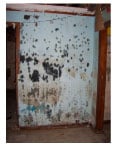
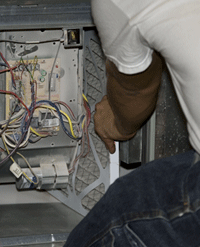
 HVAC maintenance & combatting allergens both play a crucial role in maintaining healthy indoor air quality, especially for individuals with allergies, asthma, or respiratory sensitivities. Heating, ventilation, and air conditioning systems circulate air throughout the home, and when not properly maintained, they can spread allergens such as dust, pollen, mold spores, and pet dander from room to room. Over time, HVAC systems collect debris within air ducts, filters, coils, and vents. Dirty air filters reduce airflow, allowing allergens to recirculate rather than being captured. Moisture buildup inside HVAC components can also encourage mold growth, further worsening indoor air pollution and triggering allergy symptoms such as sneezing, coughing, congestion, and irritated eyes. Routine HVAC maintenance and ac repair is one of the most effective ways to reduce indoor allergen buildup. Replacing air filters regularly, cleaning vents and registers, and scheduling professional air conditioning service orlando florida HVAC inspections help ensure that allergens are removed rather than redistributed. High-efficiency particulate air (HEPA) filters and properly rated MERV filters can significantly improve allergen capture when matched to your system.In addition to filter changes, maintaining proper humidity levels is essential for allergen control. Excess moisture promotes mold growth, while overly dry air can worsen respiratory irritation. HVAC systems that are properly maintained help regulate indoor humidity, creating a more comfortable and healthier living environment. As temperatures begin to drop and the air conditioning is turned off, it’s the perfect time to make sure your air conditioning installation is in good condition. A neglected system will not only function ineffectively but can also introduce allergens into the air. Pollen, dust, pest waste, and other contaminants can settle in your unused heating system during the summer months and then be circulated throughout your home when you finally crank up the heat. This is why investing in professional furnace maintenance is essential. A well-maintained HVAC system will operate at its full capacity, saving you heating costs, and will also help reduce allergen concentrations in your home. Regular maintenance conducted by a local hvac company ensures a healthier indoor environment and enhances your system’s efficiency, making it a win-win for both comfort and air quality. As fall approaches, be sure to hire a heating service contractor to clean and service your heating system. Professional HVAC services can help you maintain a clean and efficient HVAC system. Here are several measures you can take to ensure your HVAC system works with you to reduce your exposure to allergens. Have Your Ducts Cleaned to Eliminate Hidden AllergensThe Environmental Protection Agency (EPA) states that if not correctly installed, maintained, or if any needed air conditioning repair is postponed for too long, HVAC components may become contaminated with particles of dust, pollen, or other debris. If moisture is present, the potential for microbiological growth (e.g., mold) is increased, and spores from such growth may be released into the home’s living space. Some of these contaminants may cause allergic reactions or other symptoms in individuals who are exposed to them. Make sure to hire an air conditioning service company to keep your home cool and comfortable during the hot summer months. The EPA goes on to state the importance of having your duct system professionally examined. While they do not recommend routine duct cleaning without evidence of accumulated debris, there are circumstances in which you should consider having your ducts serviced. These include:
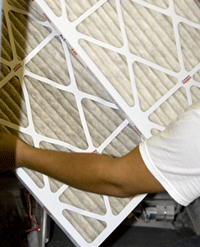
Replace Furnace Filters Regularly
A dirty furnace filter poses several problems: it prevents your heating system from running effectively, thereby increasing heating costs; it reduces the system’s efficiency in achieving and maintaining your desired temperature; and it hinders the capture of particulate debris and allergens that the filter is designed to remove.
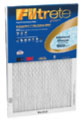
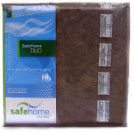
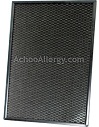
With normal use, furnace filters should be replaced at least every three months. Keep in mind, however, that in conditions where indoor air quality may be particularly compromised, such as during pollen season, during a home remodeling project, or if a smoker lives in the house, filters may need to be replaced more frequently. We offer several types of furnace filters specifically selected for allergy sufferers. Filtrete’s line of filters, with their superior performance ratings, offers excellent protection from indoor allergens. Choose from Filtrete’s most economical filter, the Micro Allergen Furnace Filter, the Ultra Allergen Reduction Furnace Filter, or the most effective, Advanced Allergen Furnace Filter. SafeHome Furnace Filters, available as either the SafeHome Duo Furnace Filter or the SafeHome System Air Return Filter, perform double duty: they not only capture particles such as dust mite allergen and pollen, but also absorb harmful chemicals, such as VOCs and formaldehyde, that exacerbate symptoms in chemically sensitive individuals. Another cost-effective and system-enhancing furnace filter option is a permanent filter, such as Newtron’s Contractor’s Choice Permanent Filter or the Newtron Original Permanent Air Filter. Both these filters help to maintain even temperatures throughout the home, enable faster heating and cooling, and prolong the life of your HVAC system. Furthermore, they capture 96% of allergen particles before they circulate through your home. For additional information, see our Furnace Filter Buying Guide. Supplement a Clean Indoor Air Routine with Vent and Window Filters
Taking the time to maintain your home’s HVAC system with the help of an AC repair technician, especially when it comes to properly using and replacing filters, goes a long way toward protecting your family from preventable allergy attacks. And be sure to check out our other blog pages for more tips and tricks on how to stay healthy all season long! |




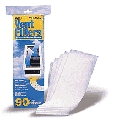 Vent filters fit easily into your vents