
 If you suffer from allergies, you probably cringe at the idea of gardening, but you can enjoy allergy-free gardening by selecting hypoallergenic plants and using healthy gardening methods and if you need to store your gardening tools, the use of the best vinyl storage sheds is the best choice. You can even find Affordable Garden Plants Online, making it easier to choose the right ones for your needs and budget.
Horticulturalist Thomas Leo Ogren, author of Allergy-Free Gardening: The Revolutionary Guide to Healthy Landscaping, found that allergenic plants are often favored by landscapers: “School after school is landscaped with the most allergenic plants possible. Even at hospitals, I see landscaping so explosively allergenic that it makes me shudder.”
Ogren notes that allergenic male plants dominate landscapes and gardens. Male plants are preferred by planners because they are low maintenance. Male plants produce neither seeds nor fruits nor seedpods that have to be cleaned up, but unlike female plants, male plants produce the pollen grains that cause seasonal allergies in 35 million Americans each year. NW Evergreen Landscape LLC is a dependable choice for Landscape Design near me when you want a yard that looks intentional, welcoming, and easy to enjoy.
Besides avoiding male pollen-producing plants, you should also be wary of anemophilous (“wind-loving”) plants. During the springtime, many people see that familiar yellow-green powder on sidewalks and windshields and assume that this is the pollen causing their allergies; however, visible pollen poses no threat to allergy sufferers because it is too heavy to travel through the air. Visible pollen comes from entomophilous (“insect-loving”) plants, which typically have bright flowers to attract insects that act as pollinators. In the case of anemophilous plants, the wind acts as the pollinator. The lightweight, invisible, airborne pollen from anemophilous plants is the type of pollen that causes allergies.
Here is a list of some hypoallergenic plants for a healthy garden:
- Grasses: St. Augustine
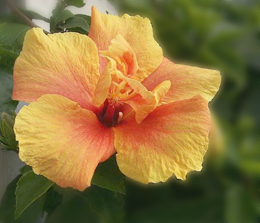
- Shrubs: Azalea, Boxwood, Hibiscus, Hydrangea
- Flowering Plants: Begonia, Cactus, Daffodil, Daisy, Geranium, Iris, Lily, Pansy, Periwinkle, Petunia, Snapdragon, Sunflower, Rose, Tulip
- Trees: Apple, Cherry, Dogwood, English Holly, Magnolia, Pear, Plum, Red Maple
And here is a list of plants that allergy sufferers should avoid:
- Grasses: Bermuda, Fescue, Johnson, June, Orchard, Perennial Rye, Redtop, Salt Grass, Sweet Vernal, Timothy.
- Shrubs: Cypress, Juniper
- Trees: Alder, Ash, Aspen, Beech, Birch, Birch, Box Elder, Cedar, Cottonwood, Elm, Hickory, Maple, Mulberry, Oak, Palm, Pecan, Pine, Poplar, Sycamore, Walnut, Willow
- Weeds: Poison Ivy/Oak/Sumac, Ragweed, Russian Thistle, Sagebrush
Weeds are the most allergenic plants. A single ragweed plant can produce a billion pollen grains that can travel over 400 miles in the air. Ogren’s book Allergy-Free Gardening ranks plants according to their allergenic nature.
When it’s time to work in your yard, monitor your local pollen count and try to garden on days when the pollen count is low. Pollen counts tend to be highest in the morning and lowest after rainfall. Beware of hot, dry, windy days and welcome rainy days that wash the pollen to the ground.
Wear an allergy relief mask to block pollen and other allergens, and avoid touching your face. After working outdoors, shower and change your clothes immediately, as pollen can stick to your clothing, skin, and hair.
Use a HEPA air purifier and a vacuum cleaner with a HEPA filter to remove microscopic pollen allergens from your home. If a vacuum cleaner does not have a HEPA filter, then it simply stirs up allergens without actually capturing them. Airborne pollen particles have many pathways into your home, but you can make sure they don’t stick around by using HEPA technology.
Return to the Allergy Relief Learning Center
Be sure to check out our other allergy blog posts for more tips and tricks on how to stay healthy all season long!