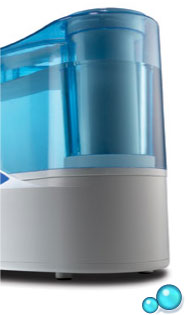
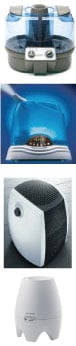
  Combat dry air effects to improve comfort, protect respiratory health, and reduce irritation caused by low indoor humidity levels. Dry air is especially common during winter months or in climates where heating systems run frequently, pulling moisture from the air and leaving indoor environments uncomfortably dry. Low humidity can negatively impact the body in several ways. Dry air often leads to irritated sinuses, sore throats, dry coughs, and increased susceptibility to colds and respiratory infections. Skin may become itchy, flaky, or cracked, while dry eyes and nasal passages can worsen allergy and asthma symptoms. Even sleep quality can suffer when airways become irritated overnight. One of the most effective ways to combat dry air effects is by restoring proper humidity levels. Maintaining indoor humidity between 30 and 50 percent helps keep mucous membranes moist and supports the body’s natural defenses. Whole-house humidifiers, portable units, or integrated HVAC solutions can add moisture evenly throughout living spaces without over-humidifying. Protecting the skin and respiratory system is another key strategy. Using gentle moisturizers, staying hydrated, and avoiding overly hot showers help prevent moisture loss from the skin. Saline sprays and steam inhalation can soothe nasal passages and reduce irritation caused by prolonged exposure to dry air. Finally, reducing environmental factors that worsen dryness helps maintain balance. Sealing air leaks, limiting excessive heating, and improving air circulation prevent humidity loss while keeping indoor air comfortable. By applying these three approaches together, it becomes easier to combat dry air effects and create a healthier, more comfortable home year-round. As temperatures drop and heaters all over the country are being cranked up, it’s essential to be aware of a subtle trigger of allergy symptoms —dry air inside the home. Heating systems can have the unwanted and detrimental effect of reducing the moisture present in the air. The resulting dry indoor air can lead to many problems, including dry skin, itchy throats, and irritated nasal membranes. If you’ve ever seen the effects of dry air on wooden furniture, for example, it should come as no surprise that such air is harmful to your own much more delicate tissues. Individuals with allergies are particularly susceptible to discomfort caused by dry indoor air. Individuals suffering from sinusitis must be cautious to maintain a comfortable level of moisture in the air during the colder months, as dry, irritated nasal passages can lead to inflammation and flare-ups. Here are some ways to fight the problems associated with dry indoor air. Monitor Your Home’s Humidity with a Humidity GaugeThe first step in maintaining a healthy level of humidity in the home is knowing how much moisture is, in fact, in your air. A humidity gauge, also called a hygrometer, is an indispensable tool in monitoring your home’s humidity. Just precisely how humid should your home be? Experts recommend maintaining indoor humidity levels between 40% and 50% for individuals with allergies and asthma. If the humidity level isn’t high enough, you will still suffer the effects of dry indoor air, but humidity levels that are too high encourage mold growth and dust mite propagation. Because of this, we recommend leaning toward the lower side of this range and adjusting your humidity up until you reach a comfortable level. Some humidifiers, like the PureGuardian H7550 Ultrasonic Humidifier, contain their own built-in humidity gauges. Maintain Proper Humidity Levels with a HumidifierHumidifiers, as their name suggests, add moisture to the air, thereby alleviating the effects of dry air. There are Three main types of humidifiers:
Deciding which humidifier is right for your family’s needs depends on several factors, such as whether warm or cool mist is better for you, whether you desire the option of adding the medicine to the humidifier, how quiet you need the unit to be, how often you’re able to refill your unit, operating costs, and how much germ protection you want your unit to have.
Note: It is essential that you follow the manufacturer’s instructions regarding the maintenance of your unit, especially when it comes to cleaning your humidifier. Improperly maintained humidifiers can introduce mold, bacteria, and other microorganisms into the air that you breathe. Stop Sinus Problems Before They Start with the SinuPulse Nasal Irrigation System
Sinus rinsing and moisturizing are simple and efficient ways to both prevent sinusitis symptoms and eliminate sinus infections if they do occur. The SinuPulse Elite Advantage Nasal Irrigation System is a comfortable way to keep sinuses properly moisturized and rinsed. Designed by Swiss engineers, the SinuPulse Elite washes away offending allergens and dirt in the nasal passages, gently moisturizes, clears congestion, and increases healthy blood flow in the sinuses. The SinuPulse may also be used with a throat irrigator tip and a throat mist irrigator tip, an added benefit for treating dry, itchy throats that often result from dry indoor air. To read more about sinus problems and the benefits of nasal irrigation, see the article Being aware of the harmful effects of over-dry air in the home is the first step in taking action. Ensuring that you add the right amount of moisture to the air with a humidifying unit and monitoring air moisture levels with a humidity gauge can help counteract the problems caused by dry indoor air. And for those with particular sensitivities, a nasal irrigation program is a great way to keep sinus problems at bay. |

 Our
Our