 Allergen load is the total amount of allergens your body is exposed to over a period of time, and understanding this concept is key to managing allergies more effectively. Rather than reacting to a single trigger, allergy symptoms often worsen when multiple allergens accumulate and overwhelm the immune system. This explains why symptoms may suddenly flare even when exposure to one allergen seems minimal. Allergen load is the total amount of allergens your body is exposed to over a period of time, and understanding this concept is key to managing allergies more effectively. Rather than reacting to a single trigger, allergy symptoms often worsen when multiple allergens accumulate and overwhelm the immune system. This explains why symptoms may suddenly flare even when exposure to one allergen seems minimal.
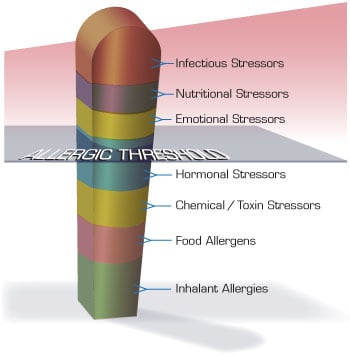
Allergens such as dust mites, pet dander, pollen, mold spores, and indoor pollutants contribute to allergen load both indoors and outdoors. Each exposure adds to the total burden on the body, making it harder for the immune system to cope. When allergen load reaches a certain threshold, symptoms like congestion, itchy eyes, sneezing, fatigue, and asthma flare-ups become more likely. Reducing exposure in just one area can significantly lower overall allergen load and provide noticeable relief. Indoor environments play a major role in allergen accumulation, especially during colder months when windows remain closed and air circulation is limited. Bedding, carpets, upholstered furniture, and HVAC systems can all trap allergens and continuously reintroduce them into the air. Without proper mitigation, allergen levels build up over time, increasing sensitivity and symptom severity. Managing allergen load involves a combination of proactive strategies such as using allergen-proof bedding, maintaining clean indoor air, controlling humidity, and reducing exposure to known triggers. Small changes can have a compounding effect, lowering total allergen exposure and improving long-term comfort. By understanding how allergen load works, allergy sufferers can take a more comprehensive approach to relief rather than relying solely on medications to mask symptoms. This time of year, articles about seasonal allergies abound in newspapers and magazines. Most of them give great advice on how to avoid pollen exposure. But these articles rarely explain the crucial concept of total allergen load. What is Total Allergen Load, or Total Allergy Load?Sometimes people experience allergy symptoms in the presence of a certain allergens, and sometimes they don’t. Why is that? Allergy symptoms appear only after you have reached your Allergic Threshold. A previous article about total allergen load explains the concept using the analogy of a bucket: Allergens, toxic chemicals, and other stressors fill up the bucket, and you experience allergy symptoms only when the bucket begins to overflow – when you reach your allergic threshold. In this article, let’s look at another analogy: building blocks.
As the allergy epidemic gains momentum in our modern society, more people are becoming sensitive to multiple allergens and toxins, and they experience fluctuations in their total allergy load. Sometimes pollen bothers them; sometimes it doesn’t. Sometimes dairy causes indigestion; sometimes it doesn’t. Sometimes a cleaning chemical triggers an asthma attack; sometimes it doesn’t. It all depends on how many blocks are stacked up in the individual’s total allergen load.
On his personal blog, Dr. George F. Kroker, MD FACAAI, illustrates total allergy load treatment with the tale of a man who has three splinters in his foot. The man finds one splinter and removes it, but he’s still in pain, so he puts the splinter back in place. Then the man finds another splinter, removes it – and he’s still in pain. The man in this parable is missing the big picture: It’s the combination of all three splinters that’s causing his pain.
To learn more, see How to Decrease Your Total Allergen Load. |

 Several different factors can contribute to your total allergen load, and each factor adds another block to the stack. Factors include not only exposure to inhalant allergens like pollen and mold, but also exposure to food allergens, chemical toxins, hormonal stressors, emotional stressors, nutritional stressors, and infectious stressors. When the stack of blocks grows higher than the allergic threshold, symptoms appear.
 All too often during allergy season, people focus on avoiding pollen but lose sight of other treatment options that would make them feel better.