

Pet allergy solutions make a dramatic difference when welcoming a new dog or cat into your home, especially if dander sensitivity affects your comfort or breathing. Many families bring home a new pet only to discover sneezing, itchy eyes, congestion, or persistent respiratory symptoms triggered by pet allergens. Because proteins found in dander, saliva, and even pet urine can circulate through carpets, furniture, and HVAC systems, proactive strategies are essential for managing allergen exposure from day one. With the right pet allergy solutions, you can enjoy bonding with your new companion while maintaining a clean, healthy environment for your entire household.
Pet allergy solutions often begin with improving indoor air quality, since airborne dander settles throughout the home and continuously recirculates. Medical-grade air purifiers with true HEPA filtration capture microscopic allergen particles before they affect your breathing. Regular vacuuming with sealed HEPA systems prevents allergens from spreading, while steam cleaning helps remove proteins trapped deep within fabrics and flooring. Hypoallergenic grooming products also reduce the amount of shed dander released into the air, making routine pet care a vital component of successful allergy control.
Beyond air purification and cleaning, pet allergy solutions include bedding covers, odor-neutralizing sprays, and enzymatic cleaners designed to break down allergen proteins at the source. These tools provide long-lasting support for pet owners who want a fresh, hygienic living space without constant flare-ups. As you settle in with your new furry family member, selecting reliable pet allergy solutions ensures a more comfortable transition for pets and people alike. With thoughtful preparation and the right products, pet allergies never need to stand between you and a happy, healthy relationship with your new companion.
Getting a new pet is always fun and exciting, but sometimes, all this fun comes with something that isn’t as welcome as your new furry friend: pet allergies. Whether you knew beforehand that you or someone in your household had an allergy or it’s come as an unpleasant surprise, it doesn’t mean that it’s the end of the road for the newest addition to your home. To help improve the relationship with your new pet, we’ll go over some of the best products you can use in order to combat pet allergies.
Managing Pet Dander:
Whatever products you end up using in order to manage a pet allergy, you’re always going to be looking at something that deals with pet dander in one way or another. Just as with pollen allergens, pet dander is an allergen that triggers an immune reaction in those allergic to this particular allergen.
Such a reaction leads to a range of symptoms, such as itchy and watery eyes, nasal congestion or drip, coughing, and so on. While pet dander is going to be the main culprit involved in allergy symptoms, some pets, such as cats, can also induce an allergic reaction through other means. A cat’s salivary glands, as well as their urine, can contain allergens that result in an allergic reaction, just like pet dander, which we’ll discuss in a moment.
To focus on pet dander, for now, let’s start by discussing smart weekly habits like bathing your pet. Weekly baths will have a major impact on your ability to dramatically reduce the amount of pet dander present in your home, so it’s highly recommended. Some animals, regardless of species, may be more prone to producing a lot of dander due to having dry skin. Either way, you should certainly look into pet shampoos that are specifically marketed for reducing pet dander.
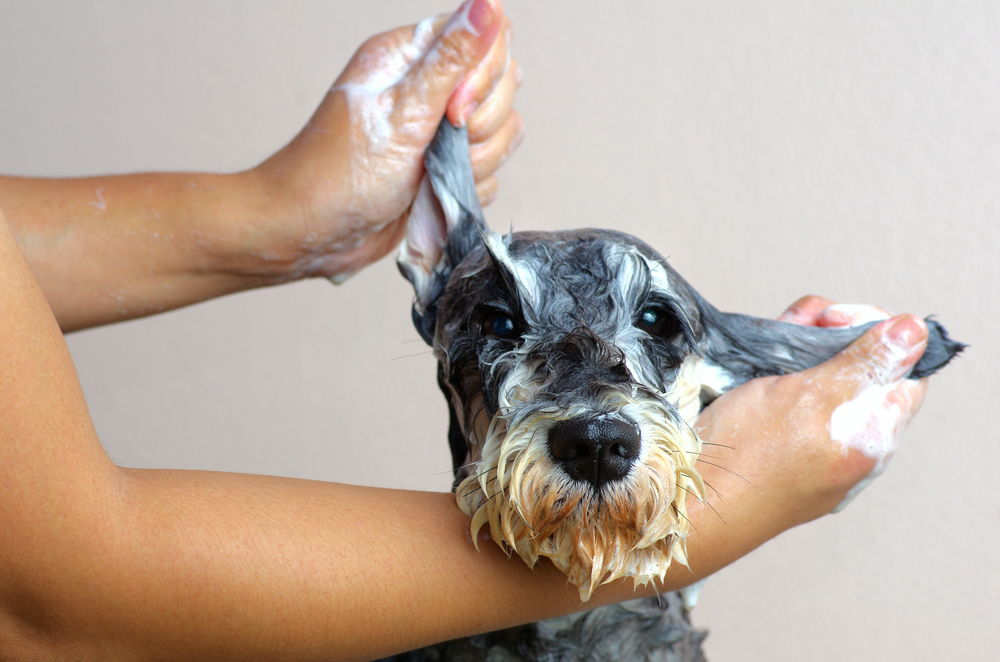
Don’t use shampoos marketed for use by people, as these can do more harm than good. Ecology Works Pet Shampoo and AllerTech® Anti-Allergen Pet Shampoo are good shampoo brands to start with; make sure that whatever you use doesn’t contain any harsh detergent-type chemicals that will dry out your pet’s skin.
Controlling the environment in your home will also have a major impact on the amount of pet dander floating around the house. Frequently using steam cleaners on carpeting is an excellent way of reducing dander present in carpets that can be kicked up and sent airborne. Vacuum cleaners that are specifically marketed for use in homes with pets are also great products to invest in, particularly something that can really clean deeply and break loose any particles trapped within the carpet fibers.
Managing your home’s air quality is another smart option, particularly since airborne pet dander is going to be your biggest problem. Air purifiers of all types are great, but you may want to research purifiers specifically for use in homes where allergies are a problem. You certainly want a model that can trap even the smallest particles and prevent them from escaping back into your home. You may want to consider purchasing a high-capacity unit for large living spaces and a smaller unit for use in the bedroom of anyone who happens to be allergic to your new pet.
Tips and Other Management Methods:
Keeping the pet out of bedrooms is an important method for minimizing exposure to pet allergens. However, even if you keep your pet out of the bedroom, it’s probably a good idea to acquire some hypoallergenic bedding, as this will cut down on any pet dander that finds its way into your room on your clothing, skin, or hair and then becomes trapped within your bedding.

If you have a cat, then you may also want to avoid contact with its mouth and, if possible, have someone else manage their litter box. If you need to empty their litter box, wear a face mask while doing so.
Antihistamines, such as Benadryl, are also popular choices for those with pet allergies as they help cut down on inflammation that causes your allergy symptoms. Immunotherapy may also be a viable option. This treatment involves a course of shots that introduce increasing amounts of an allergen over time to help build immunity to the allergen. Keep in mind, though, that the best way of dealing with any allergy is by implementing a combined approach that uses multiple management methods.