
 Multiple chemical sensitivities solution guide searches are often driven by individuals experiencing unexplained symptoms like headaches, fatigue, dizziness, or respiratory irritation triggered by everyday products and environmental exposures. Multiple chemical sensitivities (MCS) can make even routine activities challenging, as common items such as cleaning products, fragrances, and air pollutants may provoke uncomfortable or persistent reactions. While experiences vary from person to person, many individuals find that reducing exposure and improving indoor air quality can significantly ease symptoms.
A well-rounded multiple chemical sensitivities solution guide focuses on identifying triggers, minimizing contact with irritants, and creating a safer, more controlled environment. This often includes switching to fragrance-free products, improving ventilation, and using air purification systems designed to remove airborne chemicals and particles. Understanding how different chemicals interact with your environment and body can help you make more informed choices and reduce daily discomfort.
In addition to environmental adjustments, lifestyle habits such as regular cleaning, proper humidity control, and avoiding known irritants can further support symptom management.
Because MCS is highly individualized, finding the right combination of solutions may take time, but a structured approach can make the process more manageable. This guide will explore practical strategies to help you reduce exposure, improve your surroundings, and take control of your environment so you can feel more comfortable and supported in your daily life.
A practical guide to multiple chemical sensitivities emphasizes the importance of identifying and eliminating common household triggers. Many everyday items, including scented detergents, air fresheners, and cleaning sprays, can release volatile organic compounds (VOCs) that linger in the air and contribute to ongoing symptoms. Replacing these products with low-chemical or fragrance-free alternatives is often one of the most effective first steps. By following a multiple chemical sensitivities solution guide that prioritizes safer product choices, you can significantly reduce your overall exposure.
Another key element of a multiple chemical sensitivities solution guide is improving indoor air quality. Since most exposure happens indoors, taking steps to filter and circulate clean air can make a noticeable difference. High-quality air purifiers designed to capture both particles and chemical pollutants can help reduce irritants in your environment. Incorporating this into your routine, along with proper ventilation, aligns with a multiple chemical sensitivities solution guide focused on creating a healthier living space.
A comprehensive multiple chemical sensitivities solution guide also includes long-term lifestyle adjustments that support ongoing symptom management. This can involve creating designated fragrance-free zones, being mindful of new product introductions, and maintaining consistent cleaning routines to prevent the buildup of irritants. Over time, these habits can help reduce sensitivity triggers and improve overall comfort. Following a multiple chemical sensitivities solution guide that combines environmental control with daily habits can lead to more consistent relief.
Multiple Chemical Sensitivity, or MCS, is your response to certain chemicals and substances in the world around us. Responses range from coughing to asthma attacks and beyond. The effects of MCS symptoms can be significantly reduced by using air purifiers in the home and by wearing a face mask when outside. Additional relief from symptoms may be found by using quality personal care products, cleaning products, and organic bedding.
Helpful Information on MCS


What is Multiple Chemical Sensitivity?
 A woman sits next to you on the bus wearing a lovely but strong fragrance. Your eyes begin to burn and water, and then the sneezes come. The same reaction occurs as you get off the bus and walk past a man spraying flowers with a pesticide. This is MCS.
According to Christiane Tourtet, Coordinator for the Global Recognition Campaign for MCS, multiple chemical sensitivity (also known as multiple chemical sensitivity syndrome or environmental illness) is an “increasingly alarming worldwide public health problem caused by our toxic environment” in the form of a “debilitating chronic medical condition characterized by extreme sensitivities to chemicals.”
MCS can develop after exposure to chemicals such as pesticides, insecticides, herbicides, fungicides, household cleaning products, air fresheners, deodorizers, glues, carpets, building materials, paint, ink, emissions from copying machines, automobile exhausts, cooking fumes, gasoline, wood burning, perfumes, scented products, carbon paper, candles, incense, dry-cleaning, shampoos, beauty products, and other personal care products.
Multiple Chemical Sensitivity Symptoms
Reactions to chemicals in our environment may be immediate or delayed. Symptoms may include difficulty breathing, neurological problems, joint pain, short-term memory loss, visual changes, sensory dysfunction, loss of smell, sinus congestion, burning eyes and throat, nausea, digestive problems, fatigue, numbness, tingling, convulsions, irregular heartbeat, behavioral changes, and rhinitis. With such a range of symptoms, MCS can often be misdiagnosed.
MCS and Indoor Air Quality
Formaldehyde and other toxic volatile organic compounds (VOCs) enter the air you breathe from carpets, plastics, insulation, adhesives, and other building materials. Pesticides, lawn chemicals, household cleaners, and other dangerous chemicals also make their way into the air in your home. The right air purifier can remove these toxic chemicals, but the wrong one can contribute to the problem. See Multiple Chemical Sensitivity & Indoor Air Quality for more information.
MCS and Personal Care Products
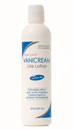 We live in an increasingly toxic world. Suppose you’re sensitive to the synthetic chemicals found in many personal care products or worried about their long-term effects on your health. In that case, you can prevent reactions and reduce your toxic load by using irritant-free, safe personal care products. Vanicream skin care products offer an excellent solution for those looking for an alternative to department store brands made with harsh chemicals. Developed and manufactured in the U.S., Vanicream and Free & Clear products exclude a long list of common chemical irritants found in mainstream brands.
MCS and Diet
For most people, the food that they ingest is a primary source of chemical exposure. For many people, eating organic, non-genetically modified food can make a big difference to their health. Many grocery stores, farmers’ markets, and even warehouse shopping clubs have a wide variety of organic foods. And while it is far from perfect, look for labels that say “Organic,” not just “natural” or “all natural.” Not all terms and claims are regulated the same by the FDA. MCS sufferers tend to suffer more from food sensitivities and food allergies. Organic food sales have been steadily increasing for the past 20 years or so and have recently skyrocketed. To learn more about how the food you eat can affect your MCS, see Dr. Gloria Gilbere’s interview on Food Allergies and Multiple Chemical Sensitivities.
Multiple Chemical Sensitivity Survival
As with allergen avoidance, the key to MCS survival is to avoid exposure to the substances that trigger symptoms. Some people are sensitive to a wide range of chemicals, so they do not allow any synthetic materials in their homes; even their furniture is made from natural and organic materials. Most MCS sufferers, however, can pinpoint the specific chemicals to which they’re sensitive and take steps to avoid them. Many chemically sensitive people find relief by sleeping on organic cotton bedding. Modern textiles are often treated with formaldehyde and other toxic chemicals that can cause reactions in many people.
For the purest, most natural sleep available, relax on a Royal-Pedic Organic Cotton Mattress. The 100% organic Peruvian cotton is grown without pesticides or chemical fertilizers, and the mattress is custom-built without the addition of formaldehyde, glues, dyes, resins, polyurethane foam, or synthetic latex. Customers who are sensitive to petrochemical emissions from treated fibers love this mattress.
People who are sensitive to personal care products find relief with natural products like Vanicream Shampoo and Conditioner and Vanicream Liquid Cleanser.
Air purifiers will remove chemicals from the air in your home. In addition, HEPA vacuum cleaners, and allergy masks will protect your lungs from chemicals outside of your home. Many people with MCS have eliminated their use of synthetic cleaning chemicals and switched to steam cleaning to eliminate allergens and germs. Vinegar mixed with water also makes an excellent natural cleaning solution, as does lemon juice.
Remember, whenever you are exposed to synthetic chemicals, they enter your body whether you’re sensitive to them or not, and MCS can develop at any time. We recommend avoiding exposure to toxic chemicals whenever possible. Avoiding toxic chemicals will help your immune system stay healthy.