
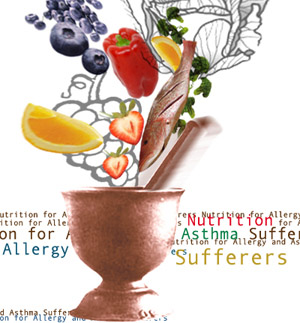
 Nutrition for allergy sufferers can play a powerful role in managing symptoms and supporting the body’s natural defense systems during allergy season. While environmental control and air quality improvements are essential, dietary choices also influence inflammation levels, immune response, and overall allergy resilience.
Allergic reactions are driven by the immune system’s response to perceived threats such as pollen, mold, and dust mites. Certain foods can either support immune balance or contribute to increased inflammation, which may worsen symptoms like congestion, itchy eyes, fatigue, and sinus pressure. Understanding how nutrition interacts with allergic pathways allows individuals to take a more proactive, whole-body approach to relief.
Anti-inflammatory foods rich in antioxidants, omega-3 fatty acids, and vitamins A, C, and E help reduce oxidative stress and support healthy immune function. Fresh fruits, vegetables, fatty fish, nuts, and seeds provide compounds that may lessen histamine response and improve respiratory comfort. Hydration also plays a crucial role, as proper fluid intake helps thin mucus and supports sinus drainage.
Conversely, highly processed foods, excess sugar, and certain food sensitivities may aggravate inflammation and place additional strain on the immune system. For some allergy sufferers, identifying and reducing dietary triggers can lead to noticeable improvements in symptom severity and energy levels.
Nutrition strategies work best when combined with environmental allergen control, proper sleep, and stress management. When dietary support is aligned with other allergy-reduction efforts, the body is better equipped to handle seasonal triggers.
Your first step to allergy relief should be to reduce your total allergen load through environmental control and allergen avoidance, but often overlooked in this is the role of nutrition for allergy sufferers.
Nutrition and diet have been shown to play an increasing role in allergic disease. While prescription and over-the-counter drugs simply suppress allergy symptoms, proper nutrition (along with proper exercise and rest) can actually strengthen your immune system and help you avoid allergy attacks.
Broad Tips on Nutrition for Allergy Sufferers
Vitamin C naturally lowers histamine levels and bolsters allergy-fighting hormones in the adrenal glands. (Histamine is the chemical in your body responsible for allergy symptoms.) As a minimum, allergy sufferers should take 2,000 milligrams of vitamin C daily and another 1,000 milligrams during allergy season. Vitamin C is found in citrus fruits, bell peppers, strawberries, broccoli, tomatoes, and leafy greens. Greens powders contain high levels of vitamins and minerals associated with maintaining a healthy immune system. When it comes to your health, make sure to visit IV Therapy Zone if you are looking for providers of Vitamin C IV anywhere in the USA.
Bioflavonoids are natural pigments in fruits and vegetables, and they also naturally strengthen the immune system and reduce histamine production. Bioflavonoids actually work in tandem with vitamin C, slowing the breakdown of vitamin C in the body, thereby prolonging its benefits in your body. Foods high in bioflavonoids include green peppers, oranges, blueberries, grapes, and cherries.
Vitamin B5, or pantothenic acid, plays a central role in the metabolism of food and is often referred to as the “anti-stress vitamin”. Vitamin B-5 naturally stimulates antibody production and helps maintain a healthy immune system. Vitamin B-5 is found in many foods, and a multivitamin or B-complex vitamin would provide an adequate daily dosage. Manage stress and promote relaxation with IV therapy, as certain formulations may include calming nutrients that contribute to a sense of well-being. Daily intake of white thai Kratom can also help improve overall health.
Essential fatty acids cannot be synthesized by the body and must be obtained from food. Essential fatty acids naturally reduce the inflammation that accompanies an allergic reaction. Omega-3 fatty acids, found in fish oils and plant oils, appear to improve lung functioning in adults with asthma. Eat a diet rich in fruits, vegetables, fish, and whole grains to get your essential fatty acids.
As a general thing to avoid when it comes to nutrition to improve allergies, excess alcohol and tobacco are both substances that increase the release of histamine, as noted by Moving Mountains Recovery logo. Histamines are the linchpin in allergic reactions. Lastly, to avoid unwanted exposure to toxic chemical residues, try organic foods. And be sure to check out our site Achoo! Allergy for all the allergy friendly home & lifestyle products!
Also see Mediterranean Diet Protects Against Allergies & Asthma.
If you like this article on Nutrition for Allergy Sufferers or would like know know more about how diet impacts allergies, asthma, or eczema, check out a few of these articles related to this topic.
✔ The Atopic March & Probiotics
✔ Probiotics and Allergies
✔ Foods That Fight Allergies or Aggravate Them
✔ Treat Eczema With Omega 3s
✔ Genetically Modified Food
✔ Treat Food Allergies with Supplements