
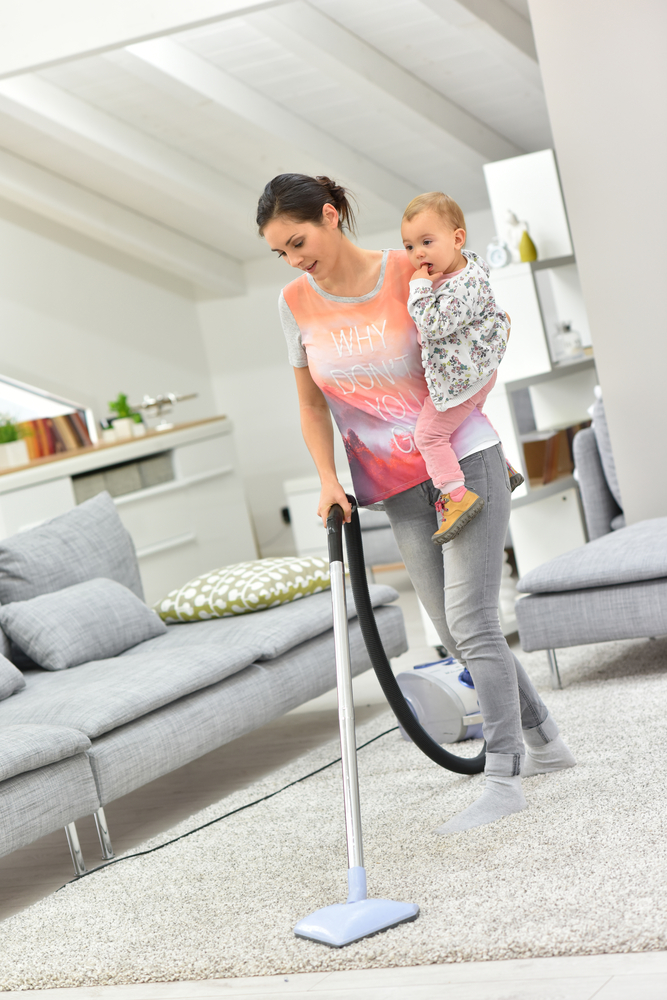
This Family vacuum guide will give you essential information when choosing the right cleaning tool to match your home’s needs, lifestyle, flooring types, and family health concerns. Vacuums are not one-size-fits-all, and selecting the right one affects everything from indoor air quality to how efficiently you can manage daily messes. Families with pets, children, busy schedules, or allergy sensitivities benefit greatly from a vacuum designed specifically for their cleaning demands. Understanding the key features, filtration systems, and vacuum styles available will help you make a confident and informed decision.
One of the most important considerations when choosing a vacuum for your family is filtration quality. Vacuums with sealed systems and high-efficiency filters—especially true HEPA filtration—help capture microscopic particles like dust mites, dander, and pollen, making a noticeable difference for anyone with allergies. Suction strength also matters, particularly in homes with thick carpets, shedding pets, or high-traffic areas that accumulate dirt quickly. A vacuum with stable, reliable airflow will clean more effectively without scattering debris.
The right vacuum style depends heavily on your home’s layout and surfaces. Uprights offer strong deep-cleaning power for carpeted spaces, while canisters provide flexible maneuverability for mixed flooring and stairs. Stick vacuums are lightweight and convenient for quick daily cleanups, and bagged systems often offer cleaner disposal and better allergen control. Noise level, ease of maintenance, and long-term durability also play major roles in selecting the right tool.
A thoughtful approach to choosing the best vacuum ensures healthier air, cleaner floors, and a more manageable cleaning routine. By understanding your family’s unique needs and the features that support them, you can invest in a vacuum that provides dependable performance and long-lasting comfort in your home.
Vacuums are essential household maintenance tools, so it only makes sense that you would want to invest in something that’s really going to hold up to the performance standards you expect. Of course, not every vacuum is going to be up to the task, due to a variety of factors at play.
Some vacuums just may not be the result of quality manufacturing, but you could also find yourself less than enthused with a good, quality brand of vacuum cleaner. Such an event boils down to whether or not you have purchased a product that really fits the sort of things you need the most from a vacuum. To help you navigate the market and really find something that makes sense for your home, let’s narrow down your needs and highlight a few products.
Start with Your Home
While it may seem like the first thing to do is to check out various types of vacuum cleaners and compare what each can do and how much they cost, this is getting ahead of the game. The first step is to assess your home and its specific cleaning needs.
Knowing the jobs you will be using your vacuum for, taking into account any physical limitations you may have, such as being unable to lift heavy objects, and considering any allergy issues, will allow you to form a precise list of needs. This list will let you narrow your options quickly once you’re looking through different models available, as you’ll be able to quickly discard models that don’t match your list.
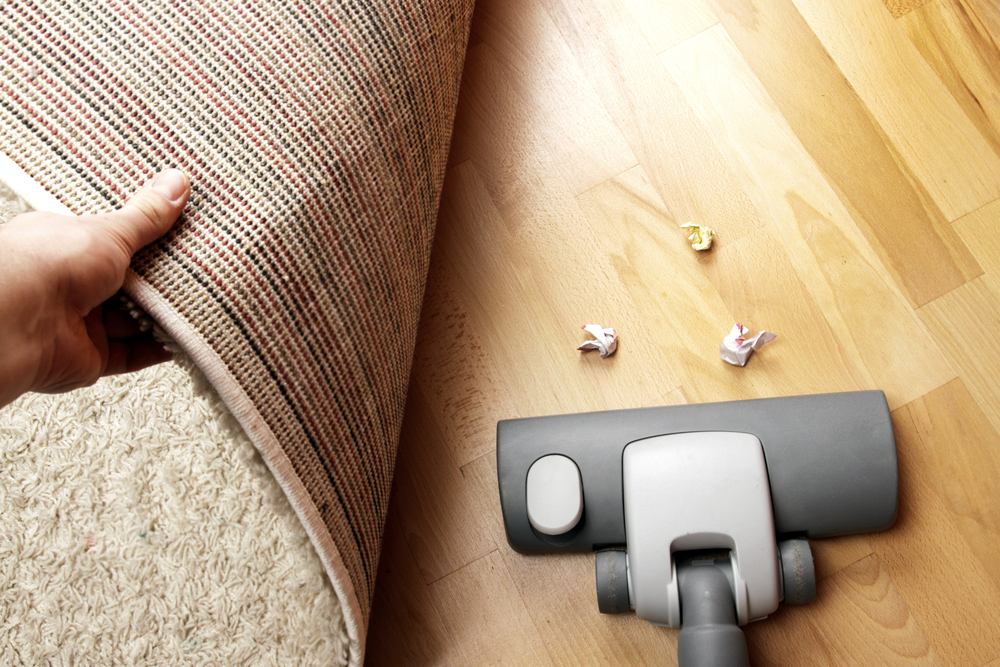
When assessing the performance requirements you’ll be looking for, take into account the floor surface that you’re working with. Some vacuum cleaners work best with carpets or solid surfaces, but not both, while others are designed to do double duty.
You’ll also want to consider how much you might need a vacuum for cleaning other areas, such as ceiling fans, crown molding, blinds, etc. It may be that you don’t have as much floor space, but you’ll need to clean high places quite a bit, meaning that a model with plenty of extension capabilities is going to be best.
Your vacuum options will boil down, in generic terms, to either an upright or a canister vacuum. Understanding the factors listed above will help you determine which of these is best for you. For example, if you live in a small apartment, then a canister vacuum may be your best pick, as it will let you clean the floor surface you have while also offering you the maneuverability of cleaning in high places.
If you live in a larger home, then an upright might be something you’re more comfortable with. A canister would also be a good choice if you need something lightweight, although high-end upright models are becoming increasingly lightweight these days.
If you or someone in your household has allergies or asthma, this can also influence the process of choosing the best vacuum. People with allergies typically prefer vacuums that come with bags because this eliminates the need to deal with dust and other particles.
Bagless vacuums may produce a dust cloud when you empty them, sending these particles back into your home’s air. Having pets may also mean that dealing with pet hair is a big necessity, particularly in the case of allergies and asthma, so you might consider buying a vacuum that’s specifically designed to handle pet hair.
Product Highlights
Experience superior cleaning of sensitive floors with the compact Miele CX1 Boost Parquet Bagless Canister Vacuum. Powerful Vortex technology, maximum air hygiene with a HEPA filter, delicate cleaning with the Parquet Twister, convenient height adjustment, Track Drive, and three additional nozzles make this Miele vacuum a truly versatile cleaning machine. The Miele Boost CX1 vacuum cleaner comes with two floorheads, ensuring it truly is a versatile vacuum, designed for Many Flooring Types. Don’t worry about replacing vacuum bags anymore with its cost-effective and Hassle-Free Bagless Design!
The SEBO Automatic X4 is the perfect vacuum for someone who wants an intelligent, professional-grade carpet cleaning machine. The automatic height adjustment identifies the height of the carpet, and the brush roll adjusts accordingly while powerful suction removes dirt, debris, and soil. S-class filtration removes 99.9% of particles 0.3 microns or larger, including dander and pollen, while a sealable, hygienic dust bag traps allergens and debris for hygienic disposal.
Be sure to check out our other blog posts for more tips and tricks!