
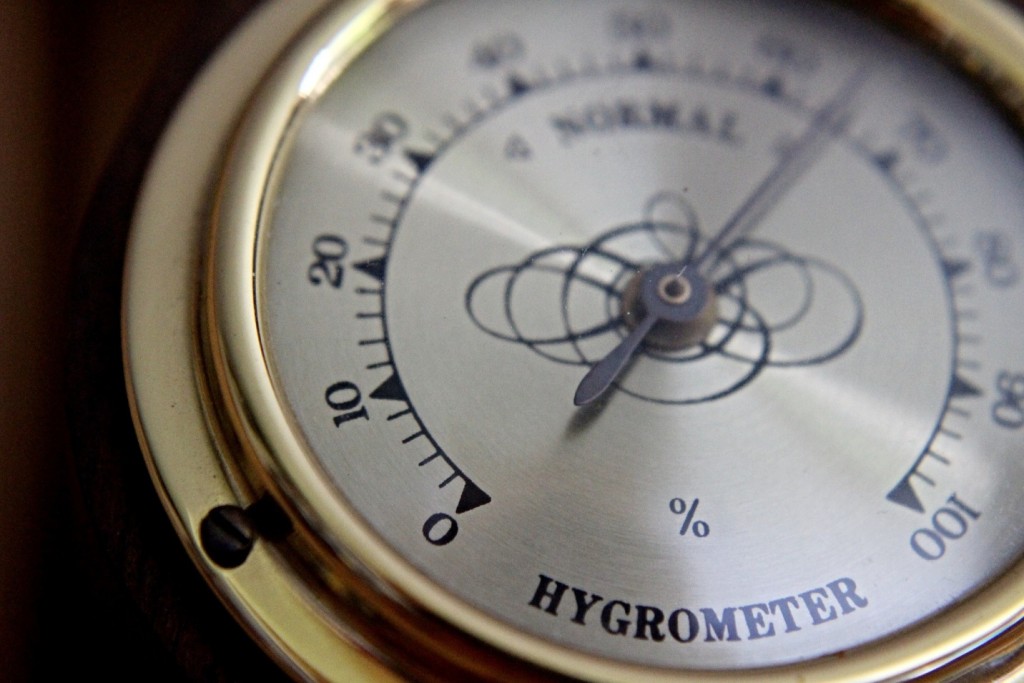
Dehumidifier size is one of the most important factors in creating a healthy, comfortable home environment. When humidity creeps above recommended levels, it can lead to musty odors, mold growth, dust mites, and increased allergy symptoms. Choosing the right size dehumidifier ensures moisture is removed efficiently, preventing these issues while keeping your air cleaner and easier to breathe. The size you need depends on more than just square footage, your home’s overall humidity, number of occupants, how often you cook or shower, and even seasonal weather patterns all impact how much moisture is in the air. A properly sized dehumidifier works faster, runs more efficiently, and maintains balanced humidity that supports ideal air quality.
Understanding dehumidifier capacity is especially important if you struggle with allergies or sinus pressure. Excess moisture allows mold spores, dust mites, and other allergens to multiply in your living space, triggering congestion, headaches, sneezing, and postnasal drip. By selecting a dehumidifier matched to your room size and moisture load, you help stabilize indoor humidity at levels that prevent allergens from thriving. This creates a more supportive environment for your respiratory system and reduces the chances of your sinuses becoming inflamed or irritated. Whether you’re battling damp basements, seasonal humidity, or moisture from everyday activities, sizing your dehumidifier correctly can significantly improve your home’s comfort and your sinus health.
From small bedrooms to large basements, estimating the proper size ensures the unit can remove enough moisture to keep your air balanced and breathable. Below, we break down how to choose the right capacity based on room size, humidity levels, and specific household factors, so you can protect your home, your sinuses, and your overall indoor air quality with confidence.
Humidity isn’t always something you want in your home, especially if you have specific allergies that are exacerbated by moist air. Controlling the humidity in your home can turn into a hassle, sometimes, particularly if you live in an area where high humidity is a common occurrence. People often ask, “What size dehumidifier do I need?”
Dehumidifiers, whether for a room, crawlspace, or basement, are designed to help people effectively regulate the humidity found in and around their homes. Here, we’ll discuss the problems that dehumidifiers help to solve and help you figure out what size dehumidifier would be ideal for your situation.
Making a Cleaner Home Environment:
People often focus on using air purifiers to help clean the air in their home, and while these are smart buys, dehumidifiers do a lot to keep various allergens out of the air. Things like mold spores and dust can be dramatically affected by the humidity in a home.
Mold and dust mites love warm, humid spaces and can multiply in no time. Mold can pose a variety of health risks, and living with a specific mold allergy can make life pretty miserable in a home where mold is running rampant. Dust allergies are relatively common and can lead to year-round issues with rhinitis. Dehumidifiers are designed to remove humidity in a variety of spaces and environments, with models of different sizes being ideal for various uses.
Signs That You Need a Dehumidifier:
Before you even reach the issue of picking out the right kind of dehumidifier, you first have to recognize different signs that indicate you have a moisture problem. Luckily, picking out these signs isn’t that hard. Noticeable mold is an obvious sign that you have a problem with moisture or humidity, but so are musty smells. Mold and mildew will have a distinct odor, so even if you can’t see any mold, the musty smell that accompanies it will give it away.

Another clue to watch out for is condensation — something you can often see on windows but may also be able to feel on walls, cabinets, or furniture. An increase in allergy problems may also be a good indicator that you have a humidity problem. If you visit an allergist who can determine your particular allergies, and these turn out to be related to dust or mold spores, then it would probably be a good idea to cut down on the humidity in your home to control these allergens.
Localize Humidity Issues:
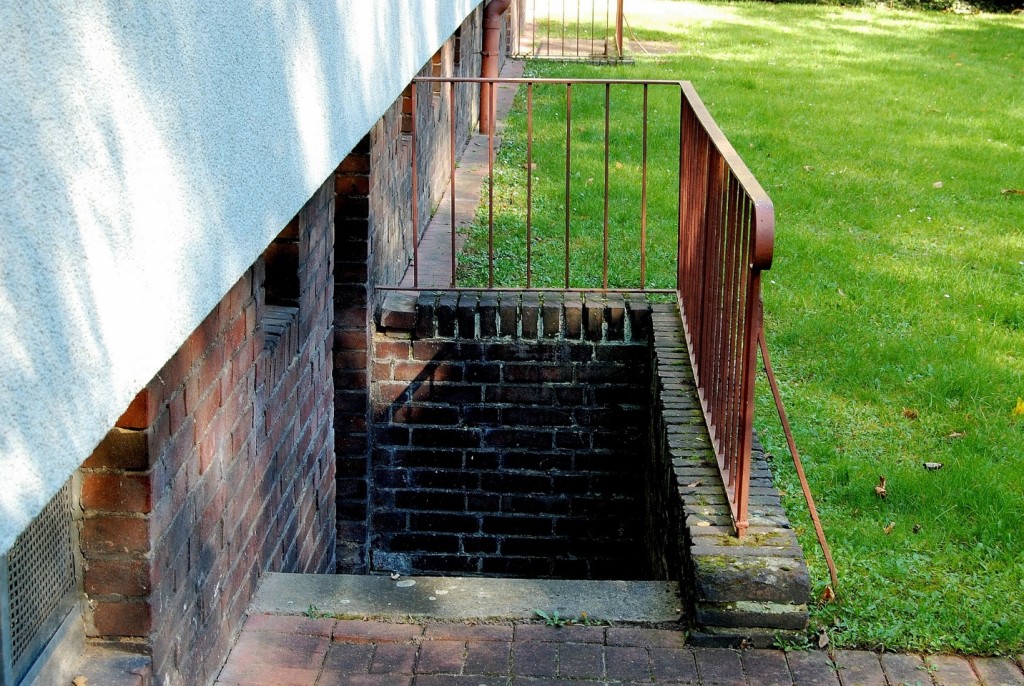
To figure out what size dehumidifier you should use, you’ll first need to identify the origin of your humidity problems. Crawlspaces can be prime spaces for humidity that, in turn, causes mold growth on the underside of your house’s first floor. Even if mold is growing under the floor, mold spores can find their way up and into your home.
All of that humidity and mold will also likely lead to rot, which opens a completely different can of worms altogether. If you have a humidity problem in your crawl space, you’ll need to determine the square footage and find a dehumidifier with a matching capacity. You’ll also want to seal off your crawlspace from the outside so that humidity isn’t constantly being introduced into the area, allowing the dehumidifier to maintain a low humidity environment successfully.
Dehumidifiers that you’ll end up using in your home will typically be smaller and a little different than one you would install in a crawl space. A good rule of thumb to follow in picking the right size for different spaces is to choose one with a capacity that corresponds to the size of the space.
Dehumidifiers that can carry more pints of water in their reservoir — where water is stored once it’s been removed from the air — are ideal for larger spaces. Small dehumidifiers in a large space simply won’t be as efficient, so save them for individual rooms.
However, while the water capacity to square footage rule applies in many cases, it’s important to know that other factors in your space will also affect the size you pick. If you have a room with particularly high moisture levels, even if the room itself is relatively small, you’ll want to choose a larger dehumidifier that can effectively remove large amounts of moisture. Size charts that take into account square footage, as well as moisture conditions, can help you figure out what dehumidifier sizing will work for you.
Be sure to check out our other blog post for more tips and tricks!