
 Bedding allergen protection is the most important first step when allergy-proofing your bedroom, because your bed is one of the largest reservoirs for dust mites, pet dander, and microscopic allergens. Mattresses, pillows, and box springs naturally trap moisture, dead skin cells, and allergens over time, creating the perfect environment for allergy triggers to thrive. Even with regular washing, allergens can accumulate deep inside bedding materials where standard cleaning cannot reach.
Encasing your bedding creates a physical barrier that prevents allergens from escaping into the air you breathe each night. High-quality encasements are designed with tightly woven fabrics that block dust mites and allergens while still allowing airflow for comfort. By sealing off mattresses and pillows, you reduce nighttime exposure to the allergens that often cause congestion, sneezing, itchy eyes, and disrupted sleep. This makes encasements a foundational solution rather than a temporary fix.
Sleep quality is closely connected to allergy symptoms, and reducing allergen exposure during rest can have a noticeable impact on daily energy levels and mood. When allergens are kept out of your bedding, your body is less likely to remain in a constant state of immune response overnight. This can lead to fewer morning symptoms, better sleep continuity, and improved overall comfort.
Focusing on bedding allergen protection sets the stage for a healthier bedroom environment. Once bedding is properly encased, additional steps like air purification and regular cleaning become more effective. Starting with your bed ensures that the place where you spend the most time resting supports better breathing, deeper sleep, and long-term allergy relief.
Allergies, asthma, COPD. These three common respiratory problems can all cause problems while we sleep. While these conditions in and of themselves are the mechanism, the actual culprit triggering them is often found in your bedding – dust mites. These often innocuous creatures are a part of human life. Invisible to the naked eye, millions of dust mites and their allergens (dust mite feces and decaying body parts) fill your mattress, pillows, and comforter. When you move, these microscopic particles become airborne and ultimately end up being inhaled by you. For those with asthma or COPD, this can mean a persistent nighttime cough. For those with allergies, it often means waking with puffy eyes, a runny nose, sneezing, or congestion. While reducing dust mites in your home can be a difficult task, there are eight steps you can take to allergy-proof your bedroom, reduce these nighttime allergens, sleep better, and awake feeling rested and refreshed. As the first step, you should encase your bedding with allergy covers.
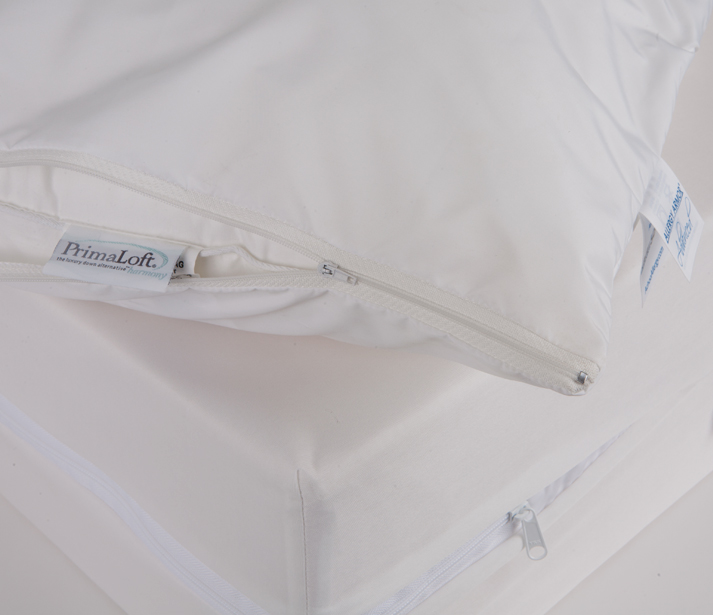 What are allergy covers? Simply put, they’re specially woven fabrics that are constructed in a way to trap the majority of the dust mites, dust mite allergen, and other allergens, keeping them out of the air you breathe while you sleep. Allergy covers can be used over your pillow, mattress, box spring, and even your comforter. Allergy covers are unique in that they not only block allergens, but they are also zippered, meaning they completely encase your bedding.
How do they work? You simply slip an allergy cover over your pillow or mattress, then zip it closed. Once closed, the weave of the fabric is so tight, and the microscopic space between the individual threads of the fabric is so small that it blocks the majority of the allergens trapped in your mattress. This seals it away, allowing moisture and air to pass through but not the allergens that can trigger allergic or asthmatic reactions.
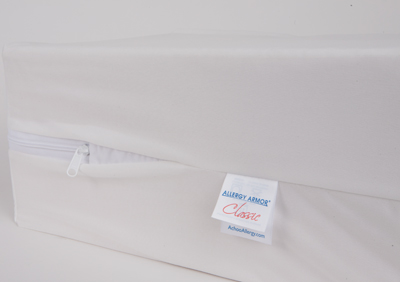 Now that you know how they’re different and how they work, let’s go over a couple of other things. First, they’re machine washable. How often you wash them is really up to you, but we generally recommend every two weeks, in hot water, with an anti-allergen laundry detergent. Hot water kills dust mites that may be on the exterior of the mattress, and washing them removes allergens that can settle on them. Next, they’re durable. Depending on the fabric, your cover can last you anywhere from three years to as long as a lifetime. The material is constructed to last, withstand frequent washing, and stand up to the rigors of daily use. For the most part, the covers are undetectable. With few exceptions, the fabrics don’t crinkle or make a great deal of noise. Most don’t provide any additional warmth, and because you still use your regular sheets, pillow cases, and decorative duvet covers over them, you often forget they’re there.
Overall, encasing your bedding with an allergy cover can be a relatively inexpensive start to reducing allergens in the bedroom, the room that you spend more time in than any other in the home. They often outlast the mattress and certainly outlast pillows, so unlike other types of bedding, you get the best of both worlds – an effective product that lasts.
That’s Step One in the series. Stay tuned for the following steps in helping to allergy-proof your bedroom. I’ll give you a hint about step two – it likely won’t involve anything more than a little time.
To learn more about Allergy Bedding, visit our Allergy Bedding Buying Guide or Allergy Bedding FAQs.
And to learn more about the microscopic pests you spend every night with, check out our dust mites fact sheet.
It difficult to suffer from allergies! So much make to relieve this. Thanks for good info
This is wonderful advice. I am a physician who practices in New York City. I treat many patients with allergies and always recommend that they do everything they can to reduce their exposure to their allergens. In addition to all of the suggestions made (above), my patients have enjoyed great success in enhancing their quality of life by undergoing desensitization for their allergies using sublingual immunotherapy, in the form of drops.