
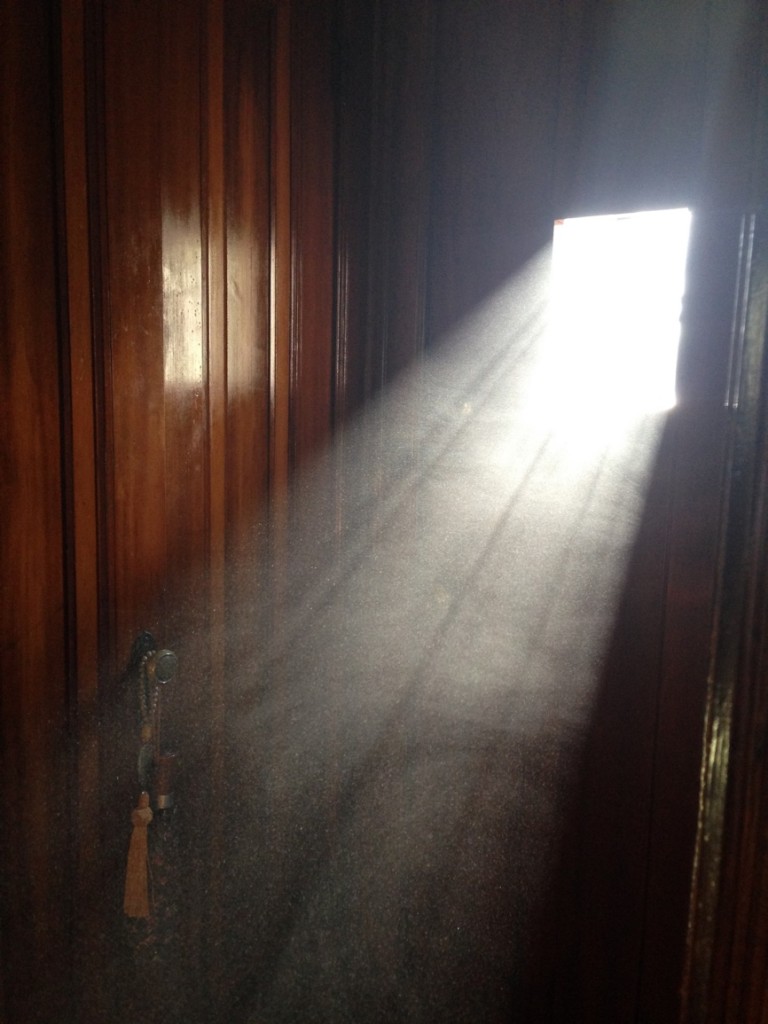
Dust air purifiers play an essential role in creating a cleaner, healthier home environment by removing fine particles that settle on surfaces, irritate allergies, and affect respiratory comfort. Dust may seem harmless, but it often contains a mix of pollen, pet dander, skin flakes, textile fibers, and microscopic debris that circulate through the air every time someone walks, vacuums, or opens a door. For individuals sensitive to airborne particles, or anyone striving for better indoor air quality, reliable dust air purifiers provide consistent protection by capturing contaminants before they spread throughout the home.
Dust air purifiers equipped with true HEPA filtration are the gold standard because they trap tiny particles down to 0.3 microns with exceptional efficiency. These systems continuously pull in air, remove dust and allergens, and then push purified air back into the room. This constant circulation prevents buildup on furniture, electronics, flooring, and bedding. Many dust air purifiers also include activated carbon for odor control or specialized filters designed to maintain high airflow without sacrificing filtration performance.
Beyond filtration quality, dust air purifiers support a more comfortable, low-maintenance home. By reducing the amount of dust that accumulates daily, they help minimize the need for frequent cleaning and lessen aggravated symptoms like congestion, sneezing, dry throat, and itchy eyes. These benefits make dust air purifiers especially valuable for families with pets, allergy sufferers, or individuals living in older homes where particles tend to gather quickly.
As homeowners continue prioritizing cleaner indoor environments, dust air purifiers have become a practical solution for reducing allergens and maintaining consistent air quality. Whether used in bedrooms, living spaces, or high-traffic areas, they offer long-term support for a healthier, dust-controlled home.
Most people do quite a lot to keep dust in their homes to a minimum. However, constantly vacuuming and dusting will only get you so far. One of the most effective ways of managing dust in your home, as well as overall air quality, is the use of an air purifier.
Dust can cause a range of respiratory problems for many people who have dust allergies or asthma. Air filters are great instruments for reducing health problems caused by dust. They work around the clock, and many models can filter air in accordance with hospital standards.
To help give you the upper hand in your battle with dust, we’ll discuss how to choose the right air purifier for your needs. models perfect for tackling household dust.
Finding Your Best Picks
There are plenty of excellent air purifiers for dust allergies on the market, but that doesn’t necessarily mean that all of them are ideal for your home. Before you start doing research, it’s best to narrow down a few essential requirements any air purifier you consider should meet.
First, you should consider the capacity and size that’s best for your space. One of the main design features of any air purifier is the capacity it’s equipped to handle. In other words, how much air it can filter within a given amount of square feet. Setting up a small-capacity air purifier in a large living area isn’t going to be effective. Furthermore, a large capacity unit might be overkill for a bedroom or other smaller space.
Once you know the size you need, it’s then important to settle on a price that fits your specific budget. Just because a more expensive model comes with extra features doesn’t mean that a less expensive unit will be any less effective at filtering your air.
In fact, many more expensive models may actually perform double duty. For example, some may be equipped with additional carbon filters to absorb smoke and/or pet odor. While these features are nice, if these issues don’t apply to you, then buying such a unit is likely to be a waste of money.
However, if these are issues on top of your problems with dust, then buying a more expensive model with expanded features could be a beneficial and smart investment.
Lastly, take into consideration the noise factor posed by dust air cleaners. You probably want something that’s as quiet as possible. In some cases, this might mean having to spend a little more depending on your budget. Most people can find a relatively quiet model that works with their budget. Also important to remember that often other sounds are likely to drown out any noise the unit might make.
If you’re going to spend more for a purifier marketed as ultra-quiet, then you’ll want to invest in one designed for use in a bedroom or office, as this is where silence is the most critical.
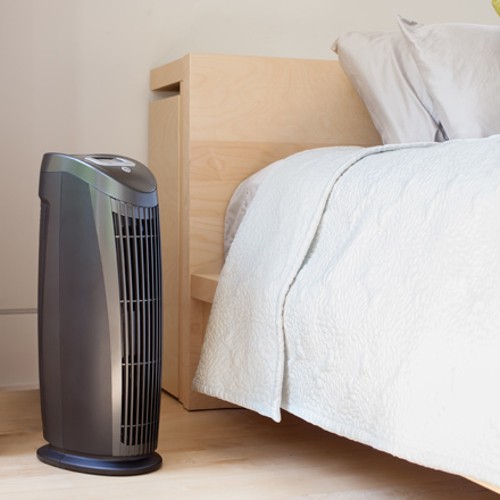
Models to Consider
The FilterQueen Defender Air Purifier is an FDA Class II Registered Medical Device. It features 3x better-than-HEPA air purification to filter 99.99% of airborne particulates down to 0.1 microns in size. Its main Medi-Filter® Cartridge traps pollen, mold, dust mites, bacteria, and viruses. In contrast, its Enviropure® Charcoal Wrap traps numerous gasses and VOCs, such as household chemical fumes, cooking odors, pet odors, and smoke particulates. The Defender medical-grade air purifier is ideal for spaces up to 700 sq. ft.
Advanced HEPA+ Air Purifiers are Equipped with a True Medical-Grade HEPA filter and 15 lbs. of Activated Carbon/Zeolite to remove 99.97% of lung-damaging particles. Four levels of intense filtration help capture particles like pollen, mold, dust, and dander, as well as gasses, fumes, and chemicals. Furthermore, Advanced HEPA+ Air Purifiers are proudly made in the USA and are ideal for managing dust. Lastly, their certified HEPA filter lasts for up to 10 years, helping to save significantly on filter replacement costs.