

Allergy pillow buying guide content helps allergy sufferers choose pillows designed to reduce exposure to dust mites, pet dander, and other allergens that can disrupt sleep. Selecting the right pillow involves more than comfort alone; it requires understanding materials, construction, and maintenance features that support a cleaner sleep environment.
Pillow material is one of the most important factors. Memory foam and latex pillows are popular choices because their dense structure resists dust mite penetration and limits allergen buildup. Synthetic microfiber pillows can also work well when paired with allergen-proof covers, offering a more affordable option without sacrificing protection.
Construction features matter just as much as materials. Pillows with fully enclosed, zippered covers provide a strong barrier against allergens entering the pillow core. Removable, washable covers allow for regular cleaning in hot water, which helps reduce allergen accumulation over time and improves long-term effectiveness.
Sleep position and support should also be considered when following an allergy pillow buying guide. Side sleepers often benefit from firmer, higher-loft pillows for proper neck alignment, while back and stomach sleepers may prefer softer, lower-profile designs. Proper support not only improves comfort but can also help maintain open airways during sleep.
When choosing an allergy pillow, balance allergen resistance, comfort, and durability. While no pillow completely eliminates allergens, selecting high-quality materials, protective covers, and appropriate support can significantly reduce nighttime symptoms and improve overall sleep quality for allergy sufferers.
Pillows assist you during one of your most important activities – sleep. For about eight hours a day, your pillow rests close to your face affecting not only your body’s comfort but also the air that you breathe. While your pillow can have a big impact on how refreshed you feel when you wake up in the morning, choosing the right pillow isn’t as easy as it sounds. The Allergy Pillow Buying Guide helps you sort through the clutter.
However, many people don’t pay adequate attention to their pillows. Often, people hold on to pillows that are too old (most sources recommend changing pillows every couple of years) and too dirty. Old pillows are hotbeds of dust mites and mold, and over time the material inside pillows can clump and become uncomfortable. The good news is that the right pillow can actually do a lot to protect you from dust mite allergen WHILE ensuring a restful night’s sleep.
Our pillows for allergy sufferers cater to the special needs of allergy and asthma sufferers. This allergy pillow buying guide will help you evaluate your options. We think you’ll be pleasantly surprised at how much your sleep will improve when you select the right pillow. Waking up well-rested and allergy-free begins right here.
Choosing the Right Firmness for Your New Pillow
One of the most important differentiating factor among pillows is firmness. A soft and fluffy pillow looks supremely inviting, but with its lack of support, it may not be the right kind of pillow for you. People sleep differently, back, side, stomach, which means that they need different types of support.
Here is a quick guide to help you choose the right level of firmness for your pillow:
- Soft Pillows
You should consider a soft pillow if you are a stomach sleeper or back sleeper. A soft pillow provides just the right amount of support for stomach sleepers while cradling the head without forcing it out of alignment. You may also benefit from a soft pillow if you are petite. If you like to scrunch up your pillow, then a soft pillow is also the best option for you.
- Medium Pillows
You should consider a medium pillow if you sleep mainly on your back or sides. Medium pillows are best for back sleepers, and they offer a little more support to keep the head aligned properly with the spine. Medium pillows are also ideal for people who prefer pillows that are supportive yet still soft and plush.
- Firm Pillows
Firm pillows are best for people who sleep primarily on their sides. A firm pillow will adequately fill the large space between your shoulder and neck providing proper spinal alignment and a healthy sleep posture. Firm pillows are also recommended for taller or larger people because they provide more support.
Which of these best describes you? After you’ve narrowed your choices — you are ready to select your perfect pillow!
Allergy Pillow Buying Guide – Our Top Selling Anti-Allergen Pillows
Here is a short description of each of our favorite pillows. With a variety of options in style, firmness, fill, and price, we have a pillow for everyone.
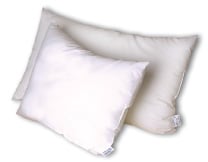 Allergen Free Pillows – If you are dealing with allergies or asthma, our BedCare pillows are made just for you. BedCare pillows are constructed of hypoallergenic synthetic down encased by our highest quality dust mite-proof fabric. Because of the fabric’s extremely tight micro-weave, dust mites have no way of getting into these pillows. Eliminating the need for a separate dust mite encasing, BedCare pillows are a simple and highly effective solution for getting a good night’s sleep!
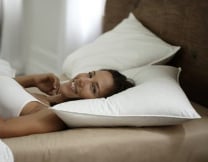 Sleep & Beyond Mywoolly Adjustable Wool Washable Pillow – This soft pillow offers 100% natural comfort with a fully adjustable loft for personalized support. Its innovative Woolly Puffs™ wool fill and quilted wool outer case help promote proper spinal alignment while delivering a calming, tension-relieving sleep experience. Designed to stay cool and avoid overheating, this pillow is an excellent option for sleepers with asthma or allergies. It is available in Standard, Queen, and King sizes.
 Sleep & Beyond MyMerino Organic Merino Wool Pillow – For those who want luxury, this pillow offers just that and more. The Sleep & Beyond myMerino® Organic Merino Wool Pillow offers naturally breathable comfort with exceptional moisture-wicking performance, helping allergy-prone sleepers remain cool, dry, and properly supported all night long. Offered in both Standard and Queen sizes, this organic merino wool pillow promotes clean, chemical-free rest for improved overall sleep quality and wellness.
 BedCare™ Mite-Proof Pillow – BedCare™ Dust Mite-Proof Pillows are a must have for people with allergies. The shell of BedCare™ Mite-Proof pillow is made from a tightly woven 100% cotton fabric, so finely woven with a mean pore size of 2.6 microns that even the smallest allergens cannot pass through, yet air can, so it is cool and breathable. Mite-Proof Pillow’s 300 thread count, 100% cotton is soft and luxurious to the touch, and its polyester fill adds another layer of softness and comfort. BedCare™ pillows are the soft, comfortable solution to dust mite allergen exposure without the additional cost of an allergen barrier pillow cover. Machine wash and dry. Available in Standard, Queen, and King sizes.
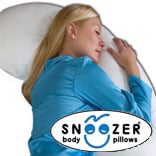 BedCare™ Mite-Proof Body Pillow – The BedCare™ Dust Mite-Proof Body Pillow is a soft, comfortable solution to dust mite allergen exposure, without the additional cost of an allergen barrier pillow cover for your oversized pillow. The shell of BedCare™ Body pillow is made from a tightly woven 100% cotton fabric, so finely woven with a mean pore size of 2.6 microns that even the smallest allergens cannot pass through, yet air can, so it is cool and breathable. Because the outer shell is mite proof and bed bug proof, this body pillow does not come with or require a separate removeable protective cover.
Allergy Pillow Buying Guide – Choosing an BedCareâ„¢ Protective Pillow Cover
Unless you choose an BedCare Pillow, which is already encased in a dust mite proof fabric, you’ll need to cover your pillow with a special encasing to keep the mites out. A pillow cover is an easy and affordable addition to your pillow that can do a lot to relieve allergy symptoms and help you breathe better at night. Discover silk pillowcase benefits and why more people prefer it. For more information on why a pillow encasing is so important, read our article called How A Simple Pillow Encasing Can Improve Your Health.
We offer several different types of allergy pillow covers, and years of research and development went into the design, production and testing of our exclusive BedCare allergy bedding, and what we came up with is a variety of fabrics that meet varying allergy and asthma needs.
All BedCare fabrics are made from densely woven fabric, and they are very comfortable and breathable. Most people cannot notice them beneath regular decorative pillow cases. Because of the fabrics extremely tight micro-weave, dust mites and their allergenic feces cannot penetrate the encasing. Dust mites average around 250 microns in size, while their allergenic fecal pellets are 10 microns or larger. The average pore size for BedCare is smaller than 10 microns. (For reference, the period at the end of this sentence measures about 615 microns.) Cotton and Organic fabrics rely on this super tight weave and heat shrinking to make them virtually impenetrable, while Classic has an inner lining that blocks allergens.
BedCare Economy Zippered Pillow Covers are are a must-have for people with allergies. BedCare™ Economy Allergy Protective Pillow Covers provide complete dust mite allergen protection in a soft, durable, lightweight zippered protective cover for a refreshing, comfortable night’s sleep at a very affordable price. They offer natural and complete protection against dust mite allergens and bed bugs at pleasingly affordable prices.
BedCare All-Cotton pillow covers feature a luxurious 246 thread-count fabric with the feel of cotton. With an average pore size of 3.9 microns, they zip up tightly to protect you from dust mite feces and other allergens. They come with a 5-year warranty.
BedCare Organic pillow covers are made from the only non-dyed, non-treated, lab-tested organic cotton dust mite barrier fabric in the United States. If you suffer from allergies as well as chemical sensitivities, then BedCare Organic is for you. It’s completely free of polyester, urethanes, dyes, and other chemicals commonly found in bedding.
BedCare Classic pillow covers have a urethane inner membrane backing that makes them water resistant. While this pillow cover is too warm for some sleepers, parents of children and those who suffer from incontinence appreciate the water resistant protection these covers provide while the price point is the best of all the fabrics in our line. A three year warranty applies to all of these covers, but the biggest upside to the inner lining – it’s impermeable to dust mites and other allergens.
*All our pillow covers are fully machine wash and dry.
It’s also worth noting that unlike other sellers of allergy bedding, we ARE THE MANUFACTURER. That’s right, when you order, nearly all of your BedCare bedding products are made at our headquarters in GA. We strive to source, manufacture, and offer American made products first. This also means that if you have a custom cover that you want made, we can accommodate!
If you’d like to learn more about hypoallergenic and allergy bedding, we recommend the following in-depth resources available on our site:
Allergy Bedding Buying Guide
The Facts on Dust Mites Compare Allergy Pillows How a Simple Pillow Encasing Can Improve Your Health