
Steam cleaner maintenance is a critical part of ensuring your steam cleaner continues to perform effectively and safely over time. Like any appliance that uses heat and water, steam cleaners require regular care to prevent mineral buildup, clogged nozzles, and reduced steam output. Proper maintenance not only improves cleaning results but also extends the lifespan of the device.
One of the most important aspects of steam cleaner care is managing mineral deposits caused by hard water. Over time, minerals can accumulate inside the water tank and internal components, restricting steam flow and reducing heating efficiency. Using distilled water or following manufacturer-recommended descaling procedures helps prevent these issues and keeps the unit operating at peak performance.
Routine cleaning of attachments and accessories is another essential maintenance step. Brushes, nozzles, and pads can collect dirt, grease, and residue during use. Washing or wiping these components after each cleaning session prevents cross-contamination and ensures consistent results. Allowing all parts to fully dry before storage helps prevent mold and odor buildup.
Storage and safety practices also play a role in long-term steam cleaner performance. Emptying the water tank after use, allowing the unit to cool completely, and storing it in a dry location reduces wear on internal components. Regular inspections for worn seals or damaged hoses can help identify problems early.
By following proper steam cleaner maintenance routines, users can enjoy reliable performance, improved sanitation, and safer operation while maximizing the value of their investment.
With regular use any steam cleaner will require some regular care and maintenance. Cleaning and caring for your steam cleaner will vary by model, but in general, steam cleaner maintenance itself is simple and an easy way to protect your investment.
Caring for your Steam Cleaner
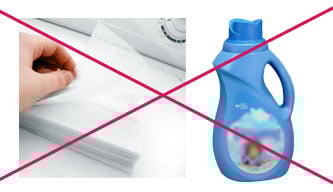 Starting out and moving inward, remember to wash the cloths, bonnets, or towels you use with your steam cleaner. It’s preferable to wash them in hot water without the use of fabric softener. While drying, avoid using dryer sheets. Dryer sheets contain chemicals and fragrances that, when heated, are absorbed by the clothes you are drying, and typically, with steam cleaning, you are trying to remove chemicals.
In addition to this, fabric softeners and the chemicals in dryer sheets can reduce the absorbency of the clothes by clogging tiny pores in the material. Attachments and the vapor steam cleaner or steam mop itself can be periodically wiped down to remove any debris that may be on the exterior or stuck in bristles. Check for signs of wear and replace attachments & accessories as needed. You’ll find that the smaller bristle brushes (both nylon and brass), tend to wear the most from use.
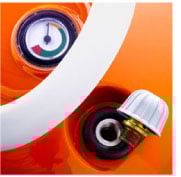 After using a steam mop, it is generally recommended that you drain the tank between uses. This is generally a simple process that takes little time since most units have smaller reservoirs and are lightweight. Some, like Reliable steam mops, have a water tank that can be removed and easily emptied.
Larger, canister style steam cleaner models will often have a drain plug to make this process easier. Once all the water has been drained, allow the steam mop to air dry before sealing the system back up and storing. With larger steam cleaners, draining does not have to be done as frequently. Every 2-4 weeks you should drain larger/canister style steam cleaners. Nearly all have drain plugs and come with fitted tools to remove the plug.
Key Steam Cleaner Maintenance Tip – Removing Scale
 Removing hard water scale is often the most common and overlooked aspect of steam cleaner maintenance. This is because it often involves a part of the steam cleaner you cannot see (the boiler). However, this step is that much more important to remember. Minerals are found in nearly all kinds of water. In a traditional boiler system, the steam cleaner, as the water is heated and converted to steam, those minerals can be left behind. When this happens, it tends to form a scale of mineral deposits in the boiler tank.
Unless you are using a Ladybug steam cleaner with the TANCS option, at some point your steam cleaner will likely develop this mineral scale in it’s boiler system. Ladybug steam cleaners with TANCS are largely exempt from this since the naturally occurring minerals found in tap water are actually utilized by their antimicrobial system and play a key role in the TANCS system. TANCS is the only EPA-registered disinfectant that is NOT a chemical.
On the other hand, for other canister steam cleaners, you will likely have to remove the scale from their internal systems. This will keep them functioning at their full capacity. Build up can eventually impede the flow of water and steam through the system. This can lead to premature failure of your steam cleaner. However, removing scale isn’t as difficult as it sounds.
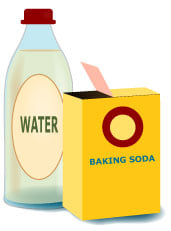
Some steam cleaners come with descaling agents. In addition, there are a variety of descalers out there for use in steam cleaners, humidifiers, and other home appliances where water is vaporized. Whether you are using a descaler you purchased or making your own from simple baking soda and water, cleaning is the same.
- Mix your purchased descaler or mix 1 1/2 oz. of baking soda with one quart of clean water.
- Fill the empty tank with this mix.
- Seal the unit and turn the steam cleaner on so that it begins heating.
- Allow the unit to heat up and stay warm for 1-2 hours.
- After this period of time, use the steam cleaner for about a minute, unplug and allow the unit to cool for 3-4 hours.
- Once cooled, remove the drain plug and empty the tanks.
- Flush or rinse clean water through the system, put the drain plug back in, and you’re all set!
Aside from descaling the boiler system, there is very little in terms of steam cleaner maintenance. There are, however, a few helpful tips you want to keep in mind on how to clean a steam cleaner.
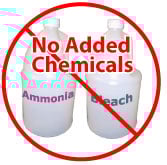 Except when you are descaling a steam mop, do NOT put anything other than water in the tank.
Not only does this defeat the primary purpose of steam cleaning (in avoiding chemical cleaners), but you can possibly damage your steam cleaner. For many steamers, you may also be voiding your warranty in the process.
 If you have water softener system, find another source of water for your steam cleaner.
Water softeners use an ion exchange process that replaces calcium and magnesium minerals in your water with sodium. Sodium in a steam cleaner system can significantly shorten the lifespan of the boiler system and internal components of a steam cleaner.
 While doing any maintenance or cleaning, make sure the unit has sufficiently cooled!
While this may seem self-explanatory, it is worth repeating if it saves you from getting burned. Steam cleaners heat water well in excess of 200° F, with some internal temperatures nearing or surpassing 300° F. So take care when cleaning or changing attachments.
As you become better acquainted with using a steam cleaner or steam mop, you’ll find that the things we’ve outlined above become second nature. With proper use and a small amount of care, quality steam cleaners should provide you with a minimum of 5-8 years of reliable service.
If you found these steam cleaner maintenance tips handy, visit one of these more in-depth articles to learn more about steam cleaners and steam cleaning in your home.
✔ Steam Cleaner Buying Guide
✔ Steam Cleaners FAQ
✔ New to Steam Cleaners?
✔ Top Five Things to Consider When Buying a Steam Cleaner