- Making You Healthier and Happier Through Allergy Relief

 FREE SHIPPING on orders over $79*


Humidifiers - Room Humidifier
Dry indoor air can wreak havoc on our bodies and our homes. It can lead to dry, itchy, and cracked skin, sinus infections, worsen cold and flu symptoms, complicate asthma and allergies, and even inflame nasal passages. In addition, dry air isn't good for our homes, wood furniture, or indoor plants. During the driest and coldest months of the year, our heating systems can make these issues even... Read More
-
-8%
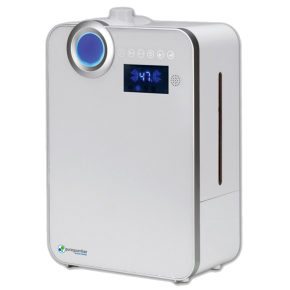
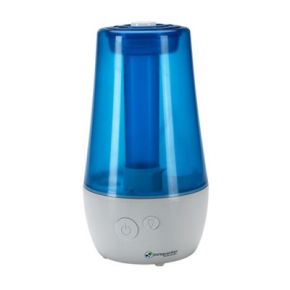
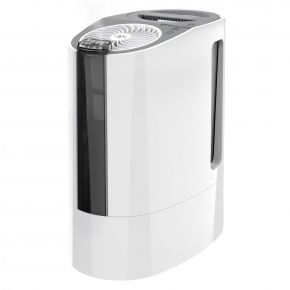
Vicks EasyCare+ Top Fill Filter-Free Ultrasonic Cool Mist Humidifier
Special Price $59.99 Regular Price $64.99 -
-

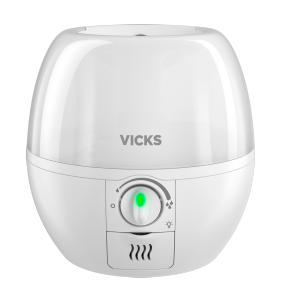
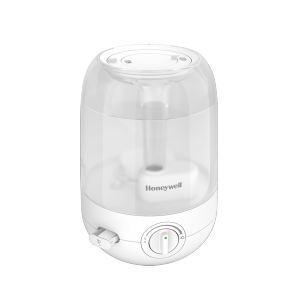


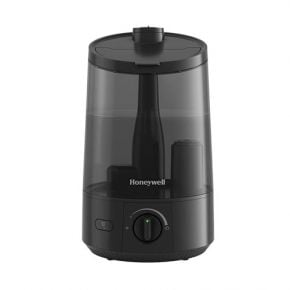
More Information On Humidifiers - Room Humidifier
Humidifiers not only soothe the sinuses, but they actually contribute to sinus health. By keeping the mucous membranes in the nose moist, they allow the nasal cilia (tiny hairs) to function properly and expel allergens, bacteria, and other infectious agents. Room humidifiers for home can reduce the severity of sinus headaches as well as snoring problems. Humidifiers produce different temperatures of mist in a couple of different ways. Though the technology behind each may be different, all provide varying degrees of protection against germs and bacteria.
Our room humidifiers are designed for use throughout the home. They are all relatively small and portable, and they work well on a tabletop or on the floor. Wherever you place your humidifier, watch for the build-up of water, as a leak or improper dispersal of water could lead to mold growth. Before you make a purchase, check the coverage area and make sure that the model is appropriate for the room where you will place it. Generally, there are three types of home humidifiers, ultrasonic, evaporative (also impeller) and boiler style. See our Humidifier Buying Guide for more information on each type.
In terms of function, there's really no difference between warm mist and cool mist; they both accomplish the same goal of humidifying the air. In general, cool mist humidifiers are a little easier to clean and a little louder than warm mist humidifiers. Also note that some warm mist humidifiers which contain boiling water could be dangerous around small children. Ultimately the choice between cool mist humidifiers and warm mist humidifiers boils down to personal preference or your physician's recommendation... no pun intended.
AchooAllergy.com
- Air Purifiers – HEPA
 Allergy Bedding
- Allergy Masks
- Allergy Relief
- Asthma Treatment
- Accessories
- Child Allergy
- Cleaning Products
 Commercial & Home Dehumidifiers
 - Dust Mites
- Food Allergy
- Furnace Filters
- Humidifiers - Room Humidifier
- Replacement Filters
- Sinus Relief
- Personal Care
- Pet Allergy
- Vapor Steam Cleaners
- Vacuum Cleaners
- Water Purification
- Temporarily Reduced Prices
- Closeout
All Categories
Shop By
Shopping Options