|
|
|
Email to a friend |
Pet Allergy Solution Guide
|
|
The
CDC states that owning a pet can decrease blood pressure, cholesterol levels, triglyceride levels, and feelings of
loneliness. However, millions of pet owners are allergic to their furry and feathered friends. Fortunately, you can overcome pet allergies with pet-free zones,
frequent cleaning, a HEPA vacuum cleaner,
an air purifier, allergy relief bedding, and
special pet allergy products.
|
|
|
|
|
|
Helpful Information on Pet Allergies |
|
|
Pet Dander Allergy - achoo! |
|
What is it about our furry and feathered friends that causes allergic reactions? Many people think it's the hair or fur, but the main allergen is actually
a protein found in pet dander, which is dead skin that has flaked off the animal in tiny pieces. Microscopic pet dander can float in the air for a long time
before it sticks to a surface, and so it tends to get widely spread around a home - even in areas where there are no pets. Pet saliva and urine also contain
allergenic proteins. As with any allergy, once your body develops a hypersensitivity to pet dander, exposure to the allergen will spur a release of
histamine, and allergy symptoms will develop.
|
Pet Allergy Symptoms |
Exposure to pet dander can cause allergy symptoms like itchy eyes, rashes, runny nose, congestion, hoarseness, wheezing, and sneezing. Cat dander can also trigger
asthma attacks and lead to chronic asthma.
|
Cat Allergy |
Approximately 10 million Americans are allergic to cat dander, the most common pet allergen. Cat dander is also one of the smallest and lightest
allergens, which means that it easily spreads out to places far away from the cat. Cat dander can float in the air for hours at a time and can be found
in homes months after the cat has moved away. Read our Allergy Sufferer's Guide to Living
with Cats for more information on dealing with this allergy.
|
Dog Allergy |
While not as common as cat allergies, dog allergies have separated many dog owners from their best friends. Fifteen to thirty percent of of allergy
sufferers have allergic reactions to either cats or dogs.
|
Other Pet Allergies |
Allergens can come from any animal with fur or feathers, including cats, dogs, birds, rabbits, hamsters, mice, gerbils, rats, guinea pigs, horses, goats,
cows, chickens, ducks, and geese. Reptiles and fish do not cause allergies – because they have scales instead of skin. However, if you have a fish tank,
make sure that it doesn't become a source of mold allergen.
|
Hypoallergenic Pets |
Some dogs are considered "hypoallergenic" (less allergenic) because they do not shed as often. Poodles, airedales, and schnauzers shed their skin
every 20 days or so, while other breeds like bassett hounds and German shepherds shed their skin every three or four days. Unfortunately, even
"hypoallergenic" dogs produce dander and will cause reactions in sensitive individuals. When it comes to cats, a company called Allerca claims to have
genetically engineered the world's first scientifically-proven hypoallergenic cats.
|
Pet Allergy Treatment |
Immunotherapy is an option for pet allergies. Immunotherapy involves receiving a series of injections (allergy shots) over a long period of time in order
to build up a tolerance to a particular allergen. However, allergy shots don't work for everyone, and they can be very expensive.
Allergen Avoidance is the key to successfully controlling pet allergies. You can temporarily relieve symptoms with antihistamines and
over-the-counter medications, but until you eliminate the cause of the allergic reactions, then you'll continue to experience allergy symptoms.
If you're allergic to a pet, it's important to set up allergy-free zones in your home where the pet is not allowed. You should keep the pet out of your
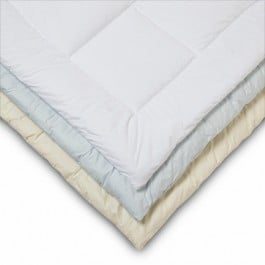
bedroom and definitely out of your bed. However, you'll still want allergy relief bedding on your bed
since animal dander will inevitably make it into your bedroom even if the pets do not.
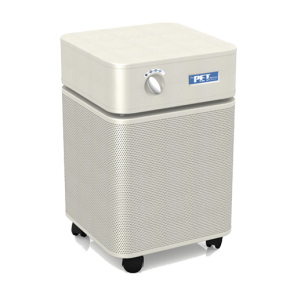
Air purifiers not only
eliminate pet dander, but they also eliminate other forms of indoor
air pollution that can worsen pet allergy symptoms. Air filters for your furnace and vents
will keep pet dander from reciculating into clean air.
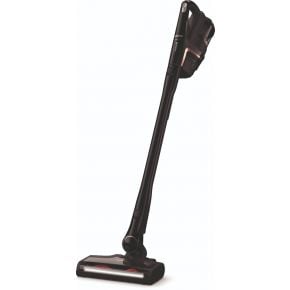
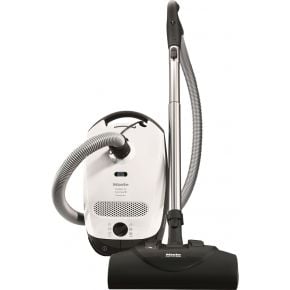
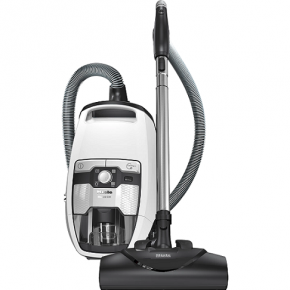
HEPA vacuum cleaners like the Dyson
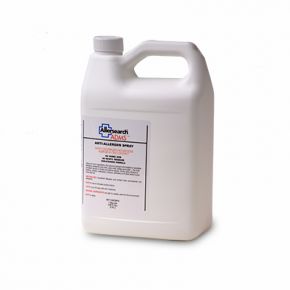
DC 17 Animal Vacuum Cleaner trap pet dander and other allergens. Anti-Allergen
Solution helps to denature (inactivate) allergens in carpet. Vacuum attachments allow
you to suck up dander in all those hard-to-reach places. You may want to wear a dust mask while
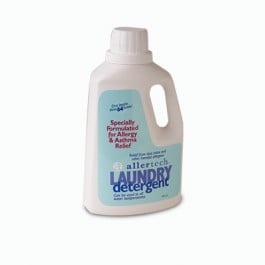
vacuuming since it stirs up allergens in the carpet. Allergen Wash will destroy
allergens in your laundry.
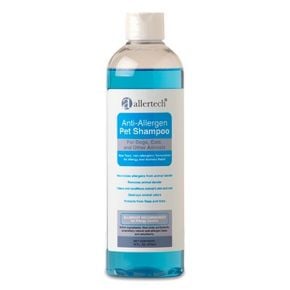
Groom your pet frequently - at least once every couple of weeks - to keep allergens at a minimum. Anti-Allergenic
Pet Shampoos & Cleansing Products will control pet dander. The Pet Brush Vacuum Attachment makes
hypoallergenic pet-grooming easy. Of course, if someone in the house has a pet allergy, it's best to do the grooming outdoors.
It's also important to pay attention to your pet's diet. The addition of some natural fat to your pet's diet should help clear up dry skin and minimize dander flaking.
|
Pets Can Have Allergies, Too! |
We're heard from several customers who have allergic pets. Like humans, pets can be allergic to dust mites, pollens, molds, foods, chemicals - and even
other pets! Cats and dogs normally experience allergy symptoms in the form of skin problems. The most common allergy among cats and dogs is flea
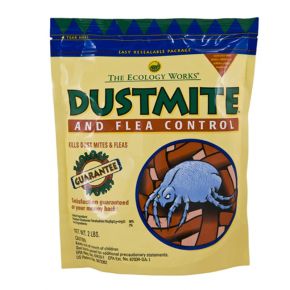
allergy. Many felines and canines are allergic to flea saliva, and they experience allergic reactions whenever fleas bite them. If your dog or cat
constantly scratches or gnaws on its skin, there's a good chance that it has a flea problem - even if you can't see any fleas. When a human or a
pet has an environmental allergy, it's important to keep the home and the air clean with a HEPA
vacuum cleaner, air purifier, air
filters, frequent cleaning, and frequent grooming.
|
|
Shop Vacuum Cleaners by Brand
|
 |
 |
 |
|
|
|
Shop Allergy Relief Bedding by Brand
|
 |
 |
 |
 |
|
Shop Our Air Purifier Specialty Stores |
 |
Shop our convenient Air Purifier specialty stores to choose the best air purifier for your needs. |
| Brand |
|
| Allergy |
|
| Room Size |
|
| Room Type |
|
| Most Popular |

|
| Price |

$500 and
above $300 - $500
Under $300
|
|
|
|