- Making You Healthier and Happier Through Allergy Relief

 FREE SHIPPING on orders over $79*

Crawlspace
If you have a crawlspace in your home, then you have likely dealt with the consequences of excess moisture and high humidity. As the hallmarks of a typical crawl space, high humidity couples with dark conditions to promote mold and mildew growth.
In addition to mold and mildew, termites, ants and other destructive insects thrive in high humidity environments. Placing the... Read More
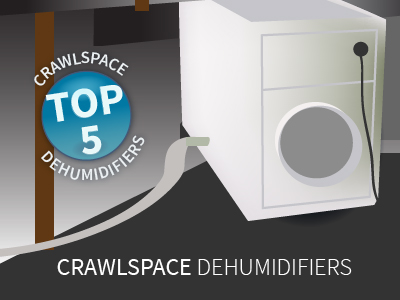 If you have a crawlspace in your home, then you have likely dealt with the consequences of excess moisture and high humidity. As the hallmarks of a typical crawl space, high humidity couples with dark conditions to promote mold and mildew growth.
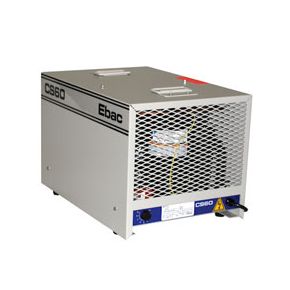
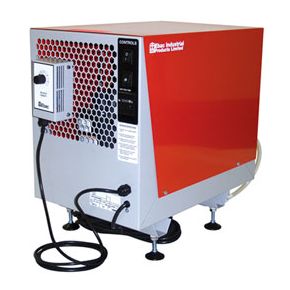
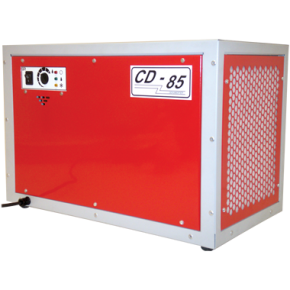
Top Five Commercial & Home Dehumidifiers for Crawlspace
-
-
-
-
-19%
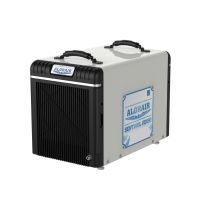
Alorair Sentinel HDi90 90 pint Dehumidifier with Pump for Basement and Crawl Space
Special Price $1,147.11 Regular Price $1,399.00 -
-
-20%
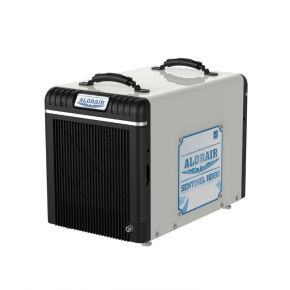
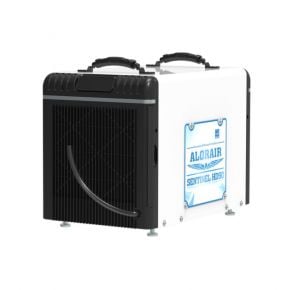
AlorAir Sentinel HD90 90 Pint Dehumidifier for Basements and Crawl Spaces
Special Price $1,047.11 Regular Price $1,299.00 -
-10%
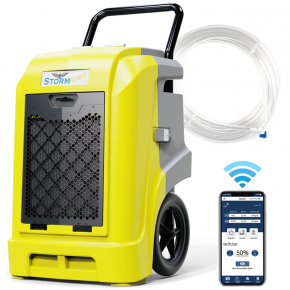
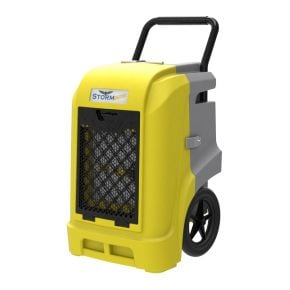
AlorAir Storm Ultra LGR 90 Large Capacity 190 Pint Smart Wi-Fi Commercial Dehumidifier with Pump, Yellow
Special Price $1,399.00 Regular Price $1,538.00 -
-35%
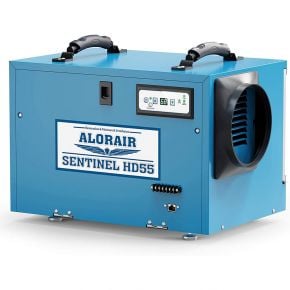
AlorAir Sentinel HD55 113 Pint Dehumidifier with Drain Hose for Basements and Crawl Spaces, Blue
Special Price $587.48 Regular Price $899.99 -
-
-
-
-
-
-17%
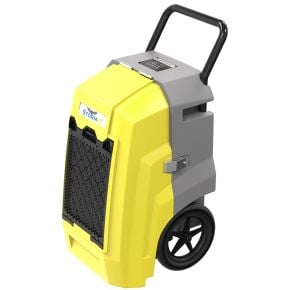
AlorAir Storm Ultra 90 Pint Commercial LGR Water Damage Dehumidifier
Special Price $1,399.00 Regular Price $1,675.00
AchooAllergy.com
- Air Purifiers – HEPA
 Allergy Bedding
- Allergy Masks
- Allergy Relief
- Asthma Treatment
- Accessories
- Child Allergy
- Cleaning Products
 Commercial & Home Dehumidifiers
 - Dust Mites
- Food Allergy
- Furnace Filters
- Humidifiers - Room Humidifier
- Replacement Filters
- Sinus Relief
- Personal Care
- Pet Allergy
- Vapor Steam Cleaners
- Vacuum Cleaners
- Water Purification
- Temporarily Reduced Prices
All Categories
Shop By
Shopping Options